In brief
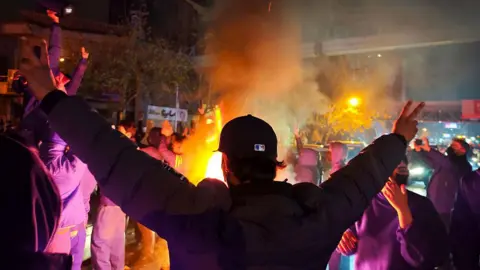
With the Iranian government shutting down the internet in response to ongoing protests, Starlink has reportedly made its subscription-free for users in Iran. This move is vital for many who rely on the service to communicate with the outside world. However, using Starlink comes with significant dangers, including potential imprisonment as authorities intensify their efforts to control internet access and monitor users. Despite the risks, many are determined to share their stories and experiences amid the crisis.
Speaking to Al Jazeera TV on Monday, Iran's Foreign Minister Abbas Araghchi said the internet had been cut off after we confronted terrorist operations and realised orders were coming from outside the country. Iran's Fars news agency, which is affiliated with the Islamic Revolutionary Guard Corps (IRGC), claimed internet restrictions were imposed to stop foreign social media platforms such as WhatsApp and Instagram being used to organise violence and unrest.
Human rights groups have condemned the blanket blackout as an abuse of power and a spokesperson for the UN's Human rights office told the BBC the shutdown impacts the works of those documenting human rights violations. So far, one human rights group has confirmed the killing of more than 2,400 protesters during the unrest, as well as almost 150 people affiliated with security forces, although these numbers are believed to be much higher.It is difficult to gauge the true scale of bloodshed because, like other international news organisations, the BBC is not able to report from inside the country.
Though some news is being shared online, experts say the Iranian government aims to control the narrative by limiting what information gets out. Ana Diamond, research associate at the Oxford Disinformation and Extremism Lab, says the government is weaponising information by carefully curating it.
Such material is designed less to inform than to condition; to almost normalise casualties, especially as the Iranian government calls them rioters, eroding collective resistance, and preparing the public - both inside and outside of Iran - for escalations of violence that may be yet to come if the protests continue, Diamond says.
Despite the dangers, Starlink has become indispensable for many Iranians communicating what is happening inside the country to the rest of the world. I'd rather not think about it [getting caught]. It can be very frightening, Parsa says.