In brief
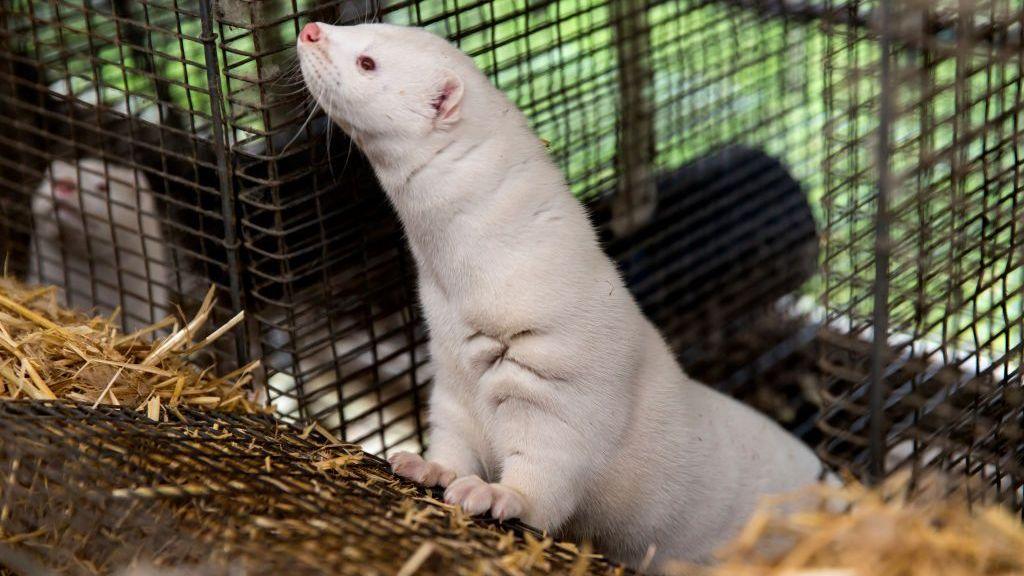
Denmark has announced it will outlaw mink farming from 7 August 2029, dropping its bid for an exemption to an EU‑wide ban on the species. The move follows a decline in global fur demand, a 2025 EU ban after the species was listed as invasive, and a 2020 cull of 15 million mink following a COVID‑19 outbreak. The policy is part of a broader animal‑welfare agenda, as the governing coalition deems the industry unsustainable for society and the economy. The country will phase out the practice over two years, with costs for closing the seven remaining farms estimated around 14 million Danish krone. Fashion circles remain divided, with some brands abandoning fur and others re‑introducing it as faux or vintage.
Denmark will cease mink farming by August 2029 after a government U‑turn reversing plans to secure an exemption from an EU‑wide ban on the practice.
The country, once the world’s largest mink fur producer, has seen its industry dwindle due to global fur‑bans, market decline and a massive COVID‑19 outbreak in its mink population in 2020.
The ban takes effect on 7 August 2029, followed by a two‑year period to phase out the animal‑rearing sector.
Nature Minister Christian Rabjerg Madsen said the decision prioritises animal welfare, arguing that a business should not persist merely because it has existed for a long time. “It must also make sense for society, for the economy and for the animals,” he added.
Earlier this year, Denmark had sought an exemption after the EU added mink to its list of invasive species, banning domestic keeping. The new coalition government, elected June 2026, abandoned the application on Friday.
Social Democrat MP Brigitte Vind welcomed the decision as a win for animal welfare, calling it “absolutely the right decision not to apply for a special scheme for mink breeding in Denmark.”
The Danish Mink Association represents breeders and has been asked for comment on the outcome. Denmark still remains one of the few European nations producing mink fur, though its output has lagged behind countries such as Poland and China.
The sector’s crisis peaked during the pandemic when 15 million mink were culled after a mutated COVID‑19 strain was found in the animals. The government later admitted it had no legal basis for the cull.
There are now approximately 15 000 mink left in Denmark. No final cost has been fixed for shutting down the remaining seven farms, but an estimate of 14 million Danish krone (about £1.56 million) has been cited by media, though the final figure could be higher.
Mink fur remains a contentious issue in fashion. While many brands removed fur from their lines a few years ago, it re‑entered the spotlight last year with celebrities and fashionistas wearing vintage and faux fur items.