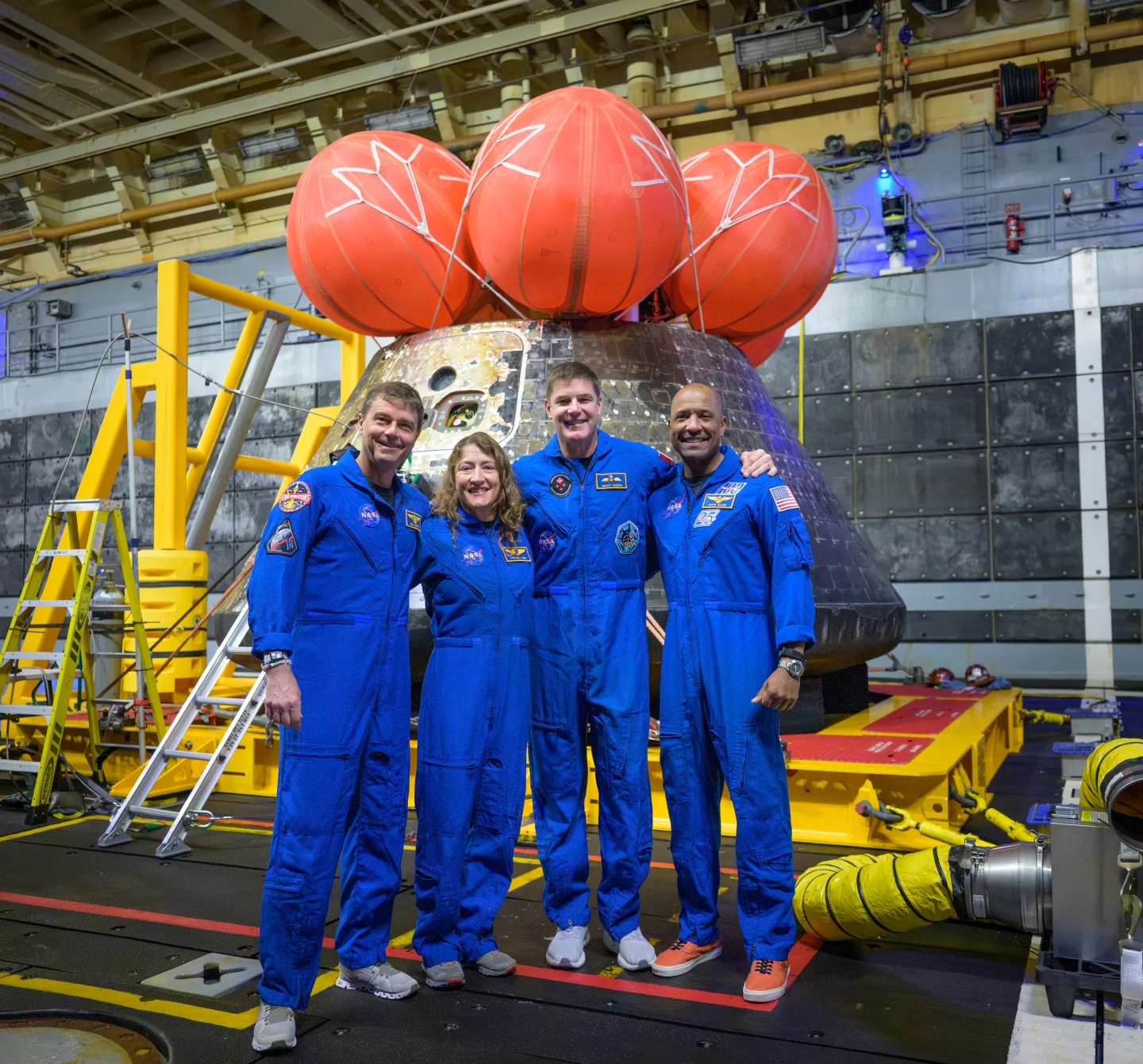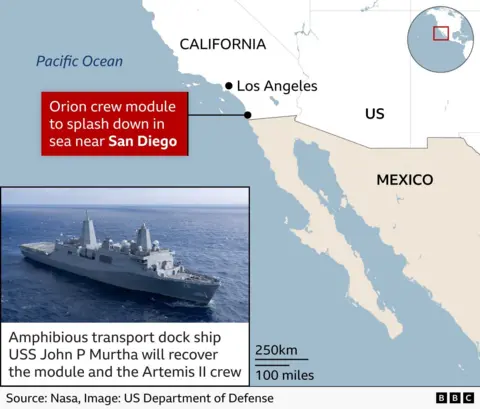
NASA's Artemis II mission has successfully sent four astronauts sweeping around the far side of the Moon and landed them safely back home. The Orion spacecraft performed admirably and the images the astronauts captured have delighted a whole new generation about the possibilities of space travel. But does this mean that the children enthralled by the mission will be able to live and work on the Moon in their lifetimes? Perhaps even go to Mars, as the Artemis program promises? It seems churlish to say, but looping the Moon was relatively easy. The really hard part lies ahead—it may take time to set up the various elements, but it will develop.
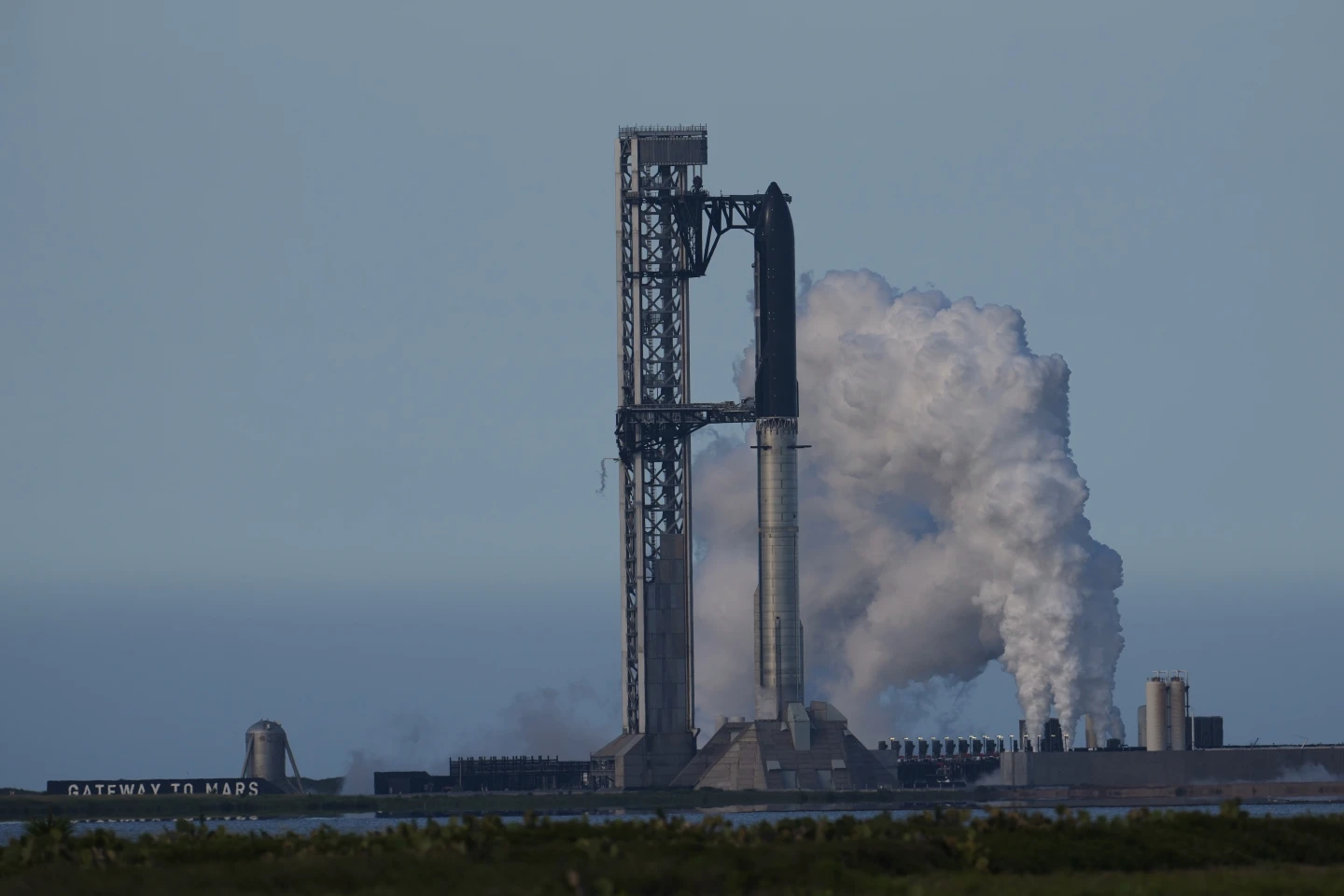
To get boots on the lunar surface, NASA needs a lander. The U.S. space agency has contracted two private companies to build them: Elon Musk's SpaceX and Jeff Bezos's Blue Origin. Both projects are significantly behind schedule, which could affect NASA's plans. The Artemis program plans to begin lunar landings in 2028, yet experts question the feasibility of this timeline, especially with increasing competition from global players like China, which aims to have astronauts on the Moon by 2030. Furthermore, the mission's aspirations to explore Mars face daunting challenges, as the journey and landing present complexities orders of magnitude greater than those encountered with lunar exploration.
Despite these challenges, the Artemis II mission reignites interest and partnership in human spaceflight, with private enterprises and international collaborations gearing up to reshape humanity's future in space. NASA's ambitious vision for establishing a lunar presence and eventually reaching Mars pushes both technological boundaries and human imagination.
To get boots on the lunar surface, NASA needs a lander. The U.S. space agency has contracted two private companies to build them: Elon Musk's SpaceX and Jeff Bezos's Blue Origin. Both projects are significantly behind schedule, which could affect NASA's plans. The Artemis program plans to begin lunar landings in 2028, yet experts question the feasibility of this timeline, especially with increasing competition from global players like China, which aims to have astronauts on the Moon by 2030. Furthermore, the mission's aspirations to explore Mars face daunting challenges, as the journey and landing present complexities orders of magnitude greater than those encountered with lunar exploration.
Despite these challenges, the Artemis II mission reignites interest and partnership in human spaceflight, with private enterprises and international collaborations gearing up to reshape humanity's future in space. NASA's ambitious vision for establishing a lunar presence and eventually reaching Mars pushes both technological boundaries and human imagination.