In brief
Nasa's Artemis II mission has yet to encounter any significant issues, proving the reliability of its Orion capsule and the capabilities of its crew. Over its initial days, the mission has raised questions about the feasibility of a Moon landing by 2028, inviting both optimism and caution as the project advances.
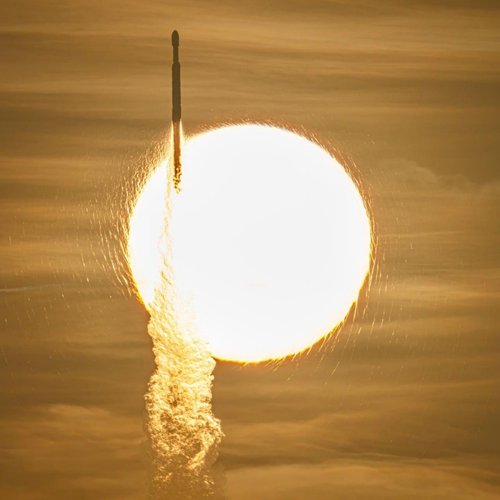
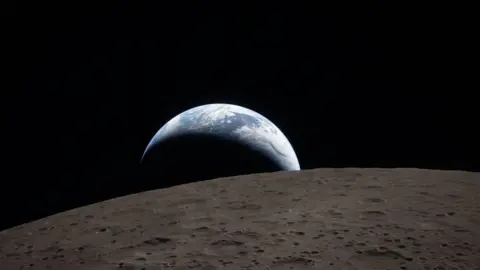
Nasa's Artemis II mission has passed every major test since its launch on 1 April, with its rocket, spacecraft, and crew performing better than engineers had dared to hope for. The mission's first six days have shown that the Orion capsule works as designed with people on board for the first time - something no simulator could prove. Perhaps its greatest achievement, though, is through the actions of the Artemis crew, which have generated hope, agency, and optimism for a world appearing to be in desperate need of inspiration.But the bigger question remains - is a Moon landing by 2028, as Nasa and President Trump want, now really an achievable goal? A few days after Nasa's Space Launch System (SLS) reached the launch pad at Kennedy Space Centre, the most important lesson about Artemis II had already been learned. Nasa Administrator Jared Isaacman stated that launching a rocket as complex as SLS every three years is not a path to success. The previous uncrewed Artemis I mission took off in November 2022.The SLS generated 8.8 million pounds of thrust at liftoff and, by every measure engineers care about, performed to plan. Two of the three planned course corrections on the way to the Moon were scrapped because the trajectory was already so accurate they were not needed. Orion fired its main engine for five minutes and fifty-five seconds, known as the translunar injection burn, putting the spacecraft on a looping path to the Moon with no further major manoeuvres required.The mission aims to ultimately prove that the Orion spacecraft is safe enough to carry people to the Moon's surface. Yet, as the Artemis II mission progresses, its inspiring moments, such as the crew's tribute to a lost loved one, remind us that human emotion can shape the future of space exploration. The road ahead still holds uncertainties but reflects a paradigm shift in how humanity envisions lunar exploration and beyond.