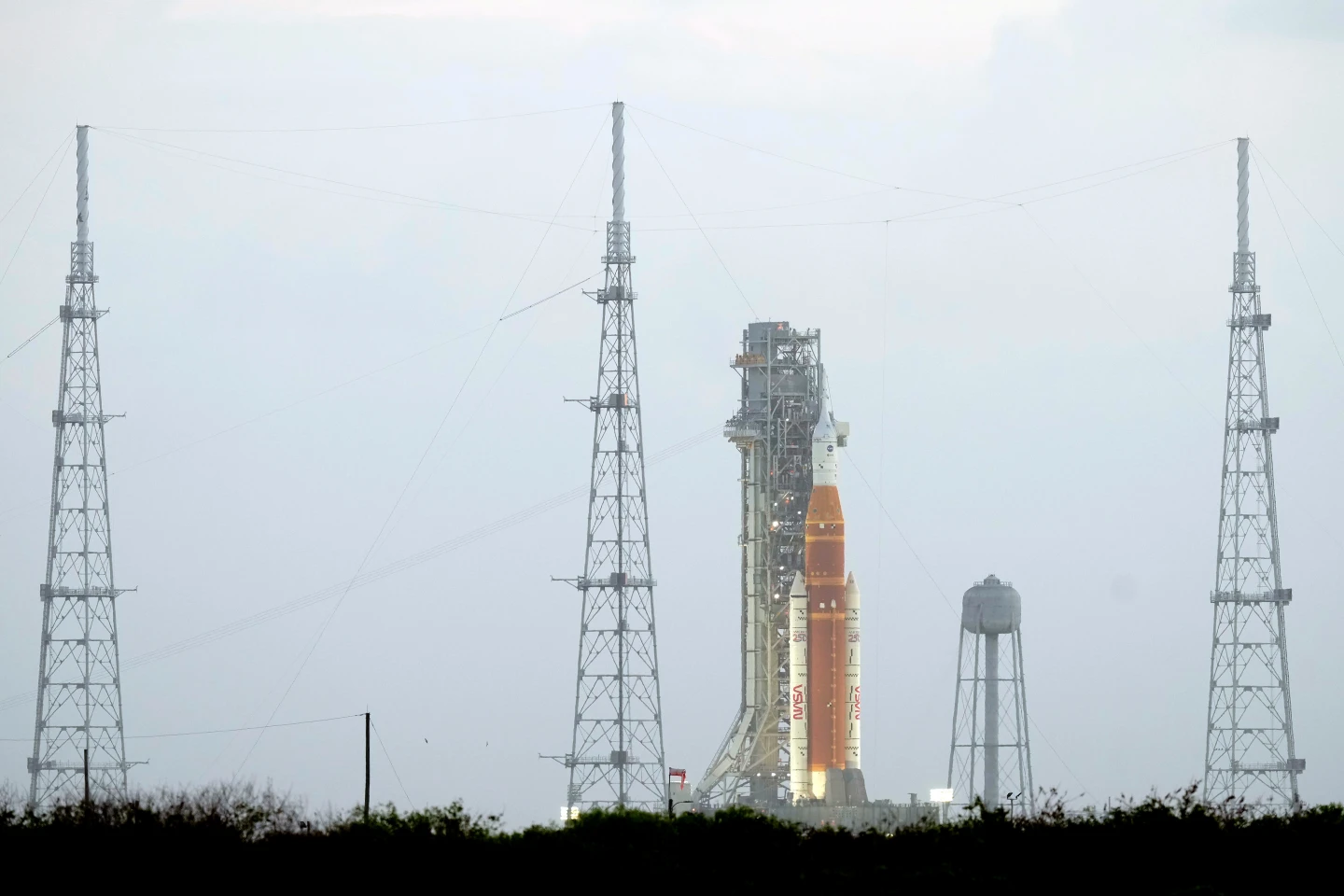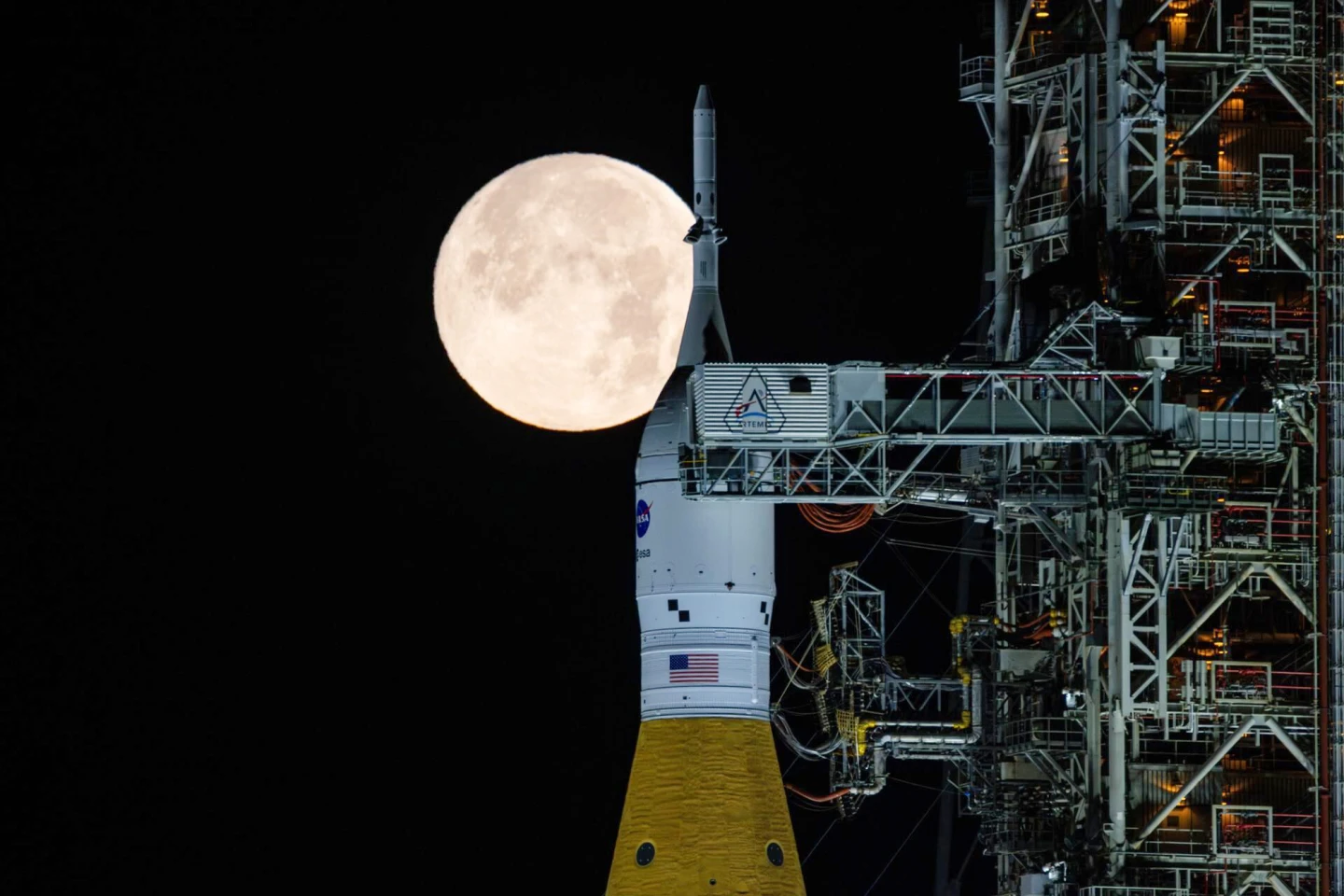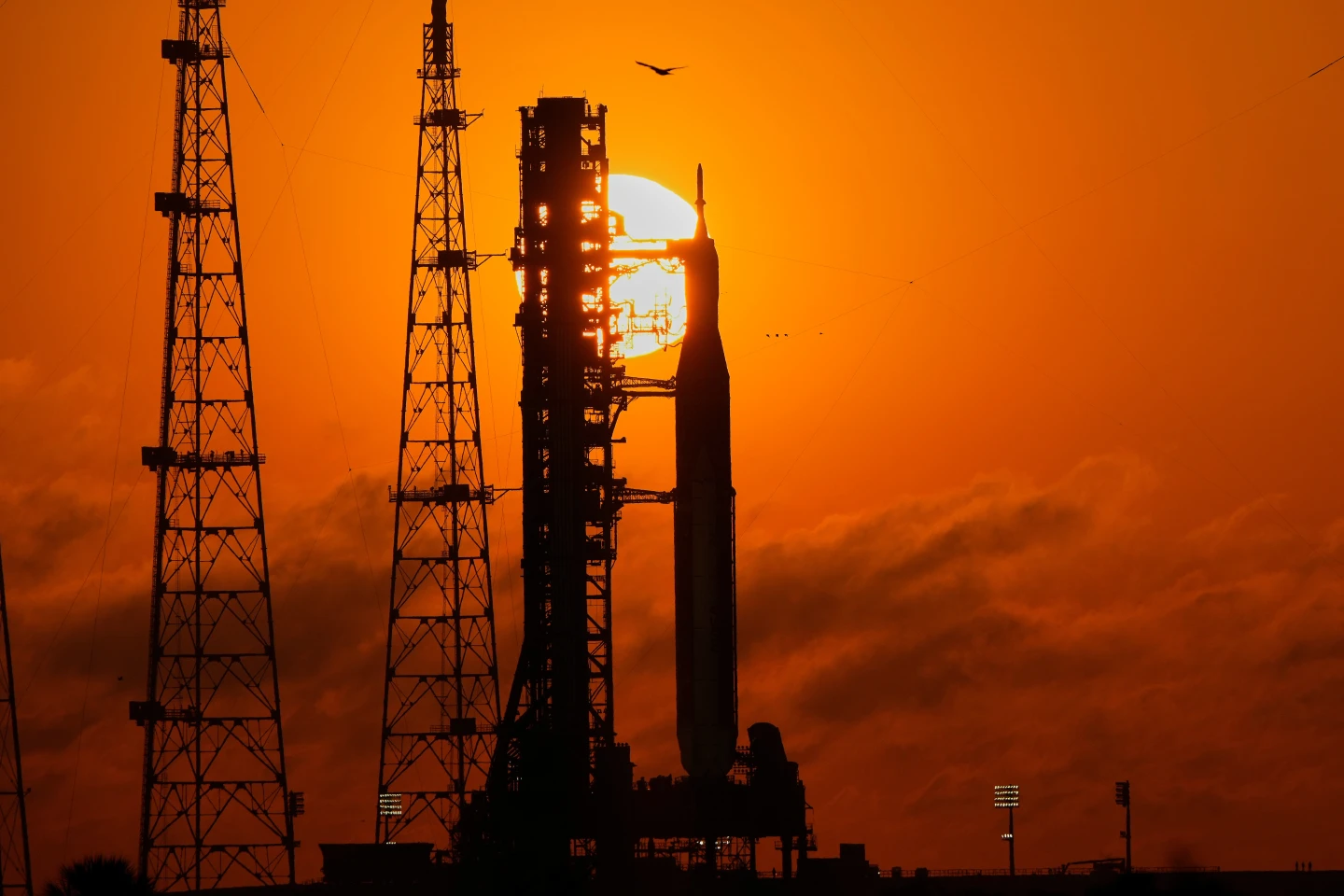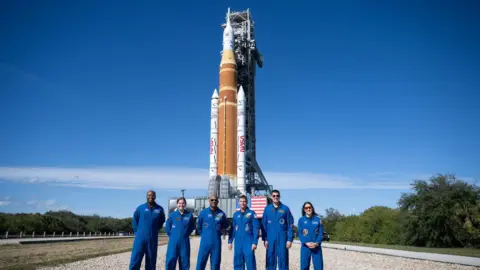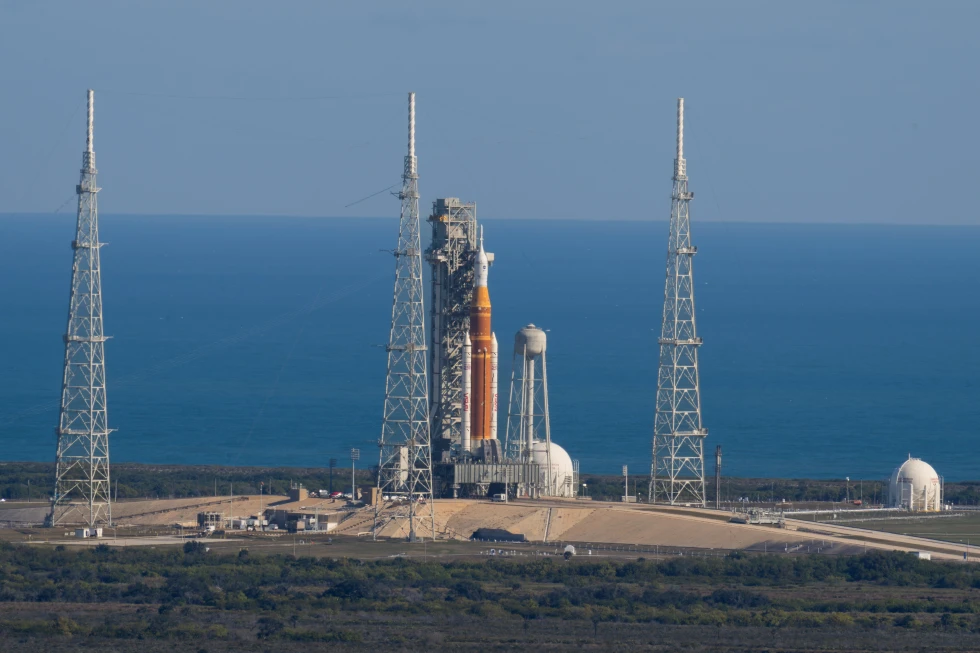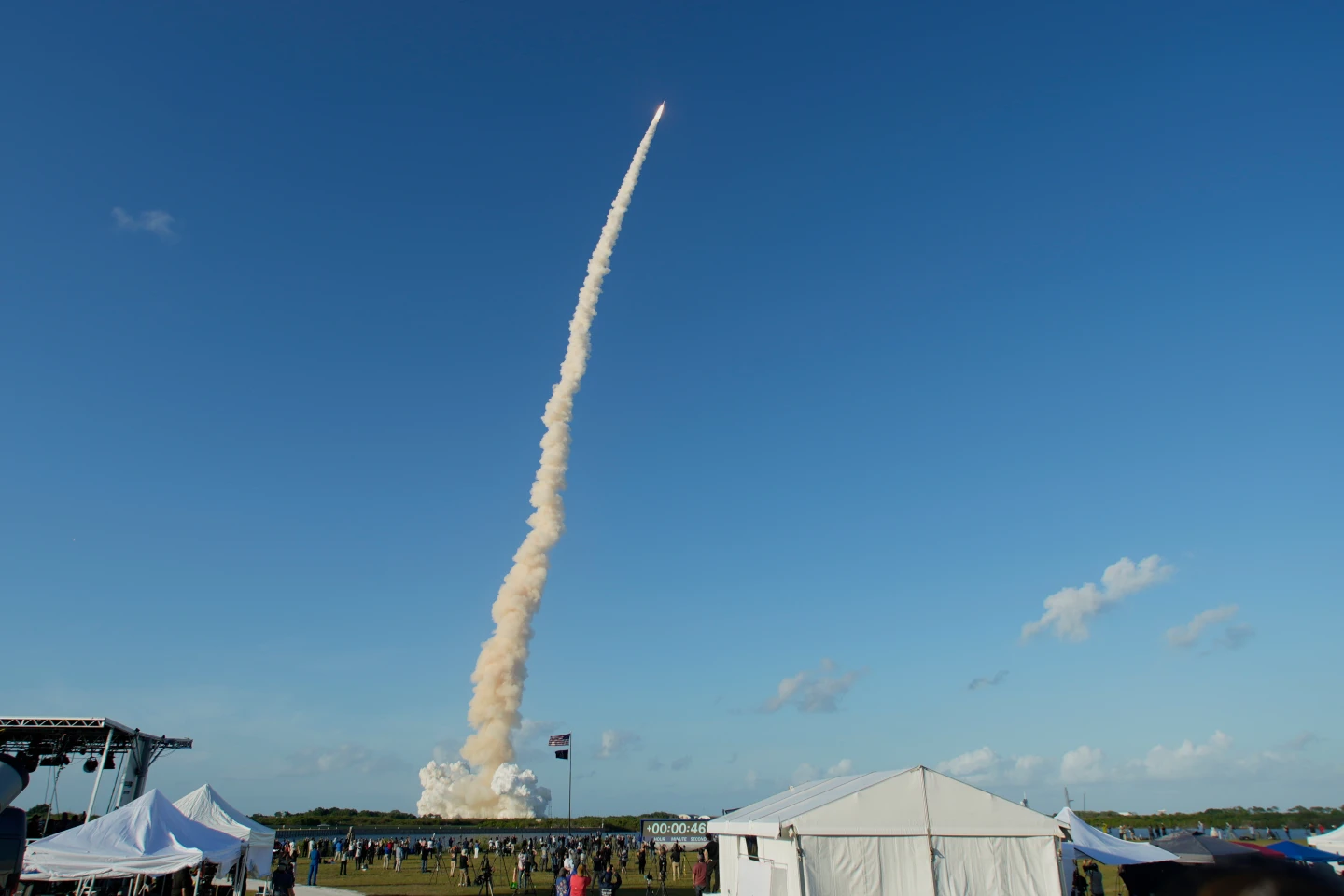
CAPE CANAVERAL, Fla. — NASA's astronauts aboard the Artemis II mission can breathe a sigh of relief as their space toilet, initially malfunctioning upon their ascent to orbit, is now operational. Thanks to astronaut Christina Koch, who received guidance from Mission Control, the space toilet is working effectively, a necessity for their journey as they prepare to fly around the Moon.
However, the crew is grappling with chilly conditions since the Orion capsule's temperature is around 65 degrees Fahrenheit (18 degrees Celsius). To combat the cold, the astronauts are searching through their suitcases for additional layers, while Mission Control is working on adjusting the cabin temperature.
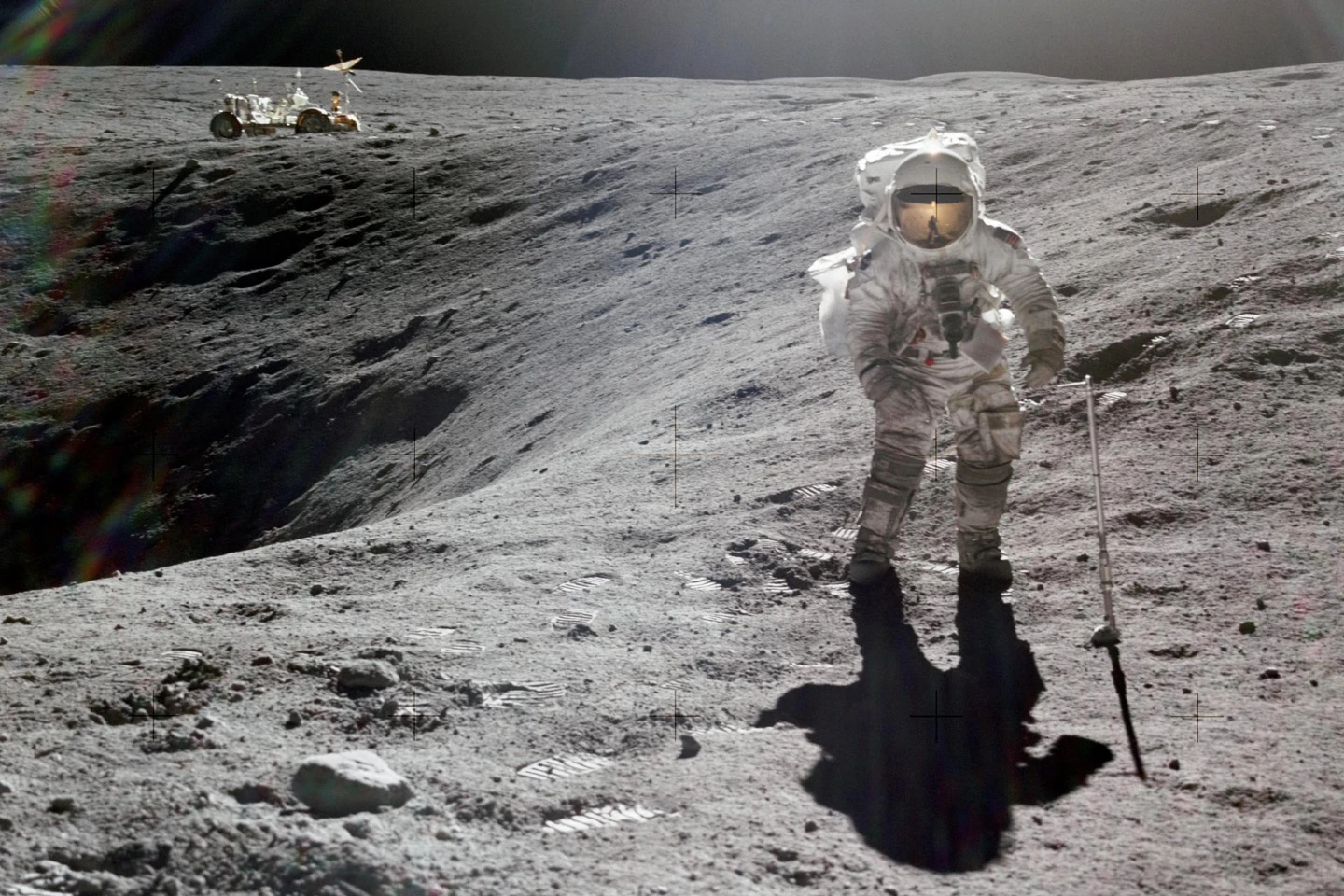
This historic mission features three Americans and one Canadian astronaut, marking NASA's first translunar injection since the Apollo era in 1972. As they orbit Earth, Koch enthusiastically reports stunning views of Earth's coastlines and even the South Pole, a poignant reminder of her past experience at an Antarctic research station.
Their space odyssey is set to conclude with a splashdown in the Pacific on April 10. NASA hopes this test flight will rejuvenate the entire Artemis program, paving the way for a Moon landing with two astronauts in 2028. Despite the toilet's earlier hiccup, the astronauts have demonstrated resilience, with Koch humorously noting any operational toilet is better than none, contrasting it with the Apollo missions that had no such luxury.
The compact toilet in the Orion capsule uses air suction technology, allowing for a more efficient waste management solution compared to traditional water systems. As the Artemis II mission continues, the astronauts eagerly anticipate the next steps in their landmark journey to the Moon.
However, the crew is grappling with chilly conditions since the Orion capsule's temperature is around 65 degrees Fahrenheit (18 degrees Celsius). To combat the cold, the astronauts are searching through their suitcases for additional layers, while Mission Control is working on adjusting the cabin temperature.
This historic mission features three Americans and one Canadian astronaut, marking NASA's first translunar injection since the Apollo era in 1972. As they orbit Earth, Koch enthusiastically reports stunning views of Earth's coastlines and even the South Pole, a poignant reminder of her past experience at an Antarctic research station.
Their space odyssey is set to conclude with a splashdown in the Pacific on April 10. NASA hopes this test flight will rejuvenate the entire Artemis program, paving the way for a Moon landing with two astronauts in 2028. Despite the toilet's earlier hiccup, the astronauts have demonstrated resilience, with Koch humorously noting any operational toilet is better than none, contrasting it with the Apollo missions that had no such luxury.
The compact toilet in the Orion capsule uses air suction technology, allowing for a more efficient waste management solution compared to traditional water systems. As the Artemis II mission continues, the astronauts eagerly anticipate the next steps in their landmark journey to the Moon.