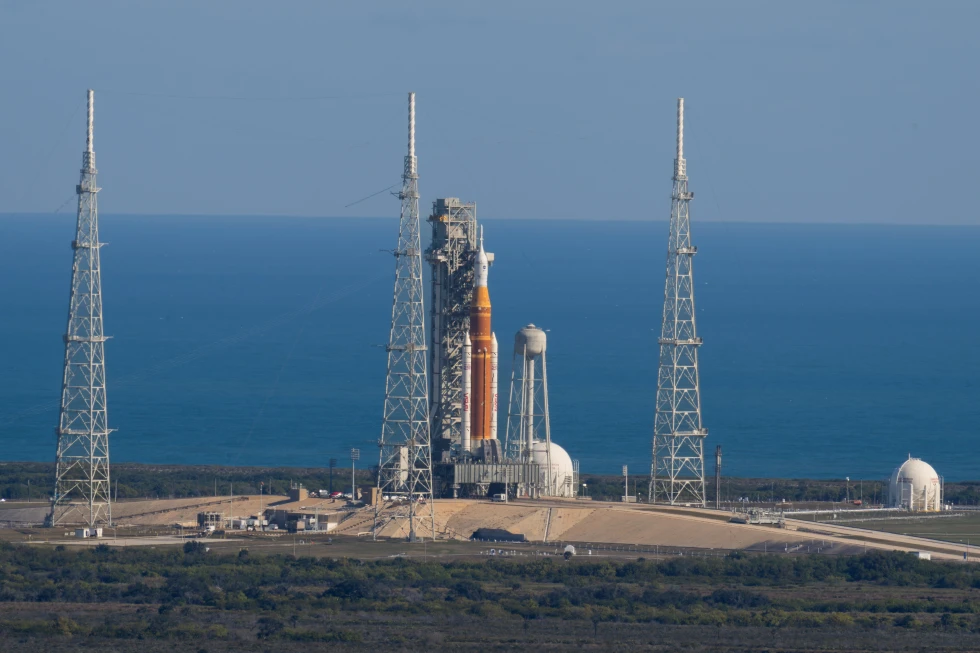
CAPE CANAVERAL, Fla. — The year 2026 is set to dazzle skywatchers with a remarkable lineup of celestial events. Kicking off with the moon, NASA's Artemis missions will introduce a cohort of astronauts returning to the lunar surface for the first time in over 50 years, welcomed by a series of supermoons, notably on January 3 and in May.
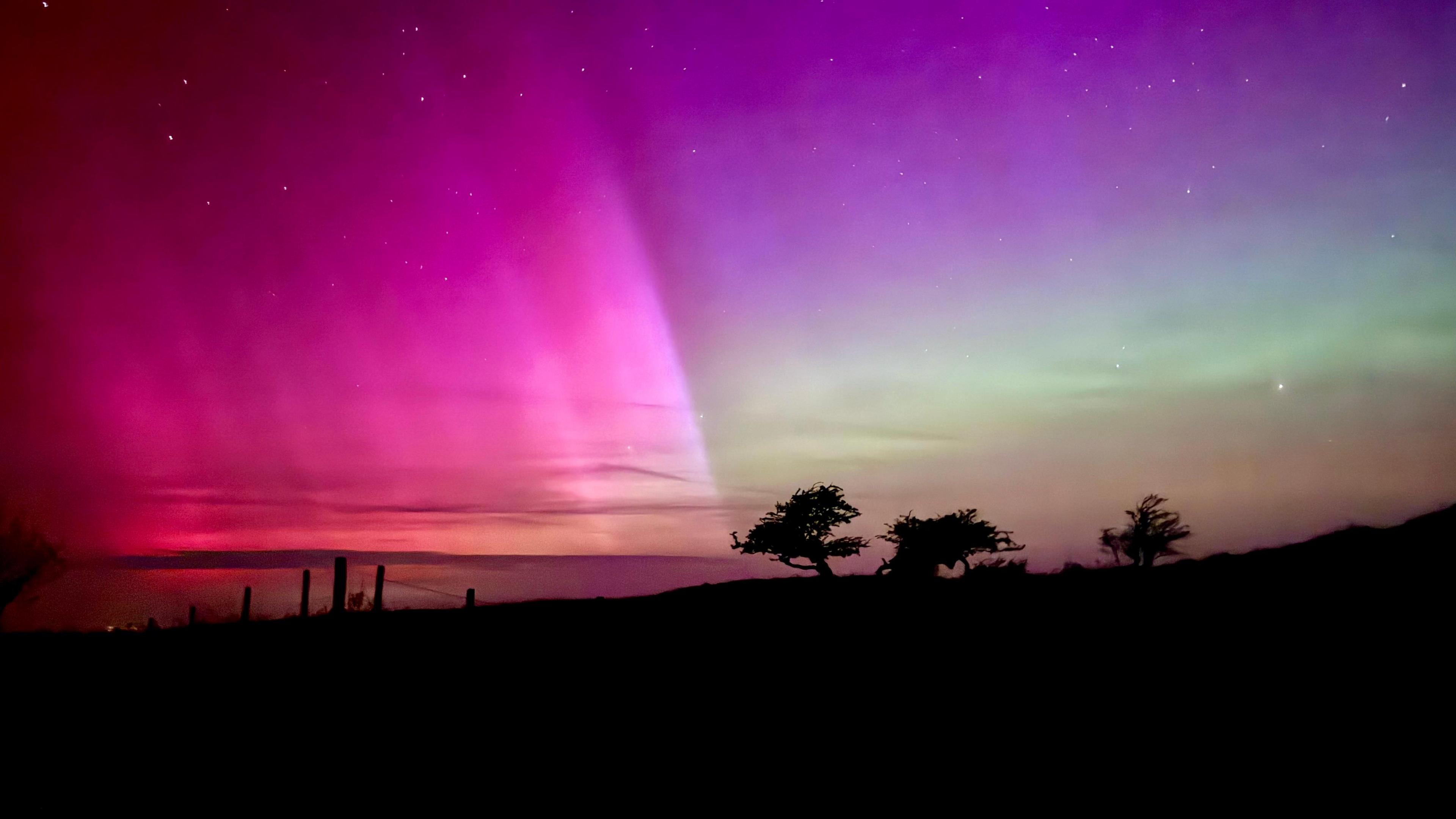
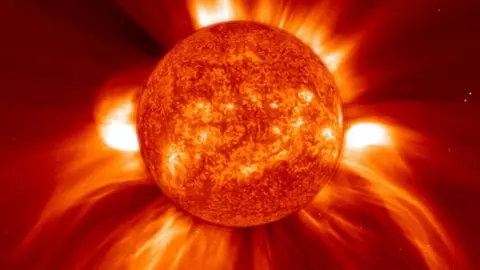
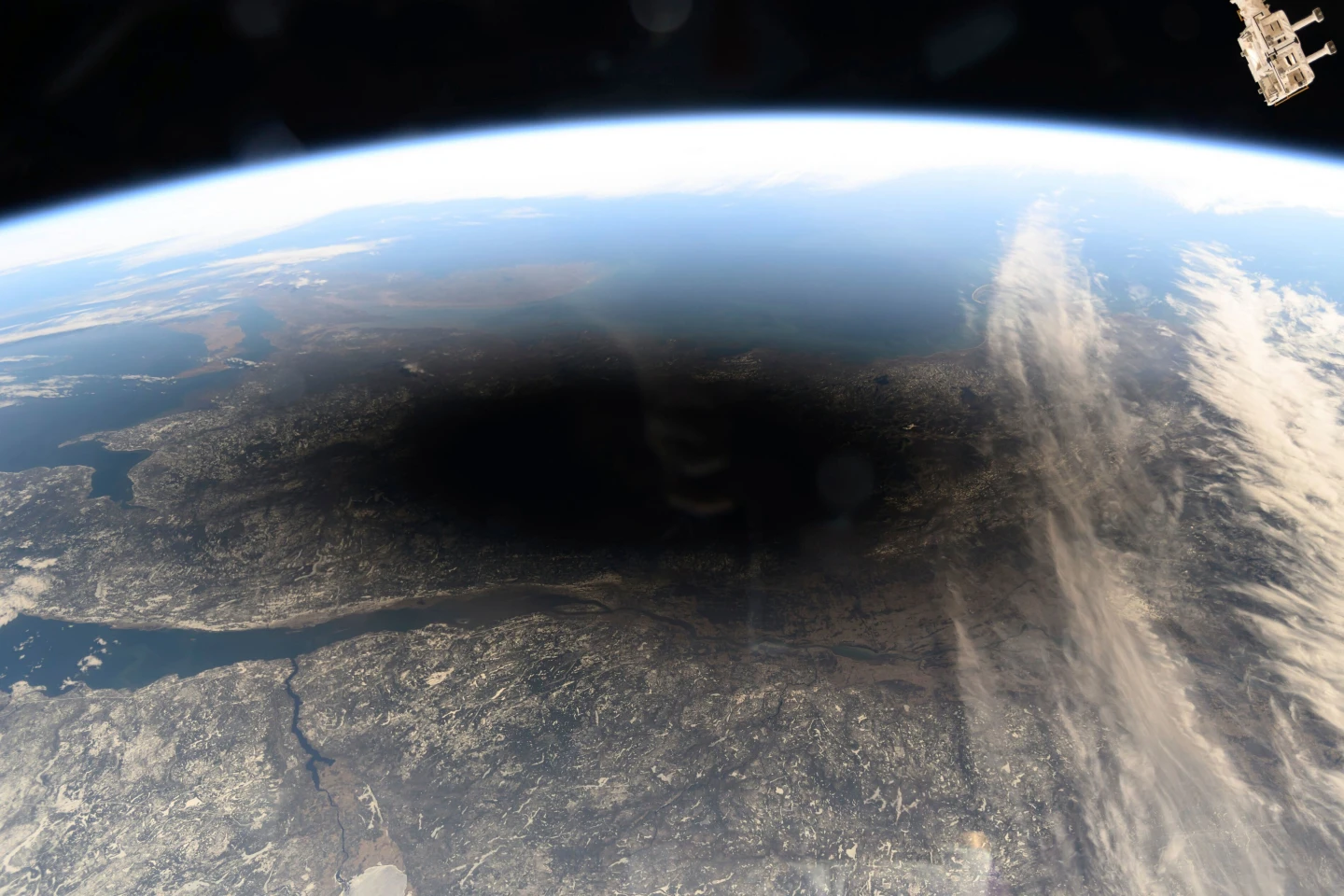
The sun also promises to be eventful with a ring-of-fire eclipse in the Antarctic on February 17 and a total solar eclipse sweeping over the Arctic, Greenland, and parts of Spain on August 12. Skies may also feature extraordinary aurora displays due to increased solar activity.
In an exciting twist, astronomers will continue to observe comet 3I/Atlas, which recently passed Earth. Although its visibility diminishes, it remains in the spotlight until it returns to interstellar space in about a decade.
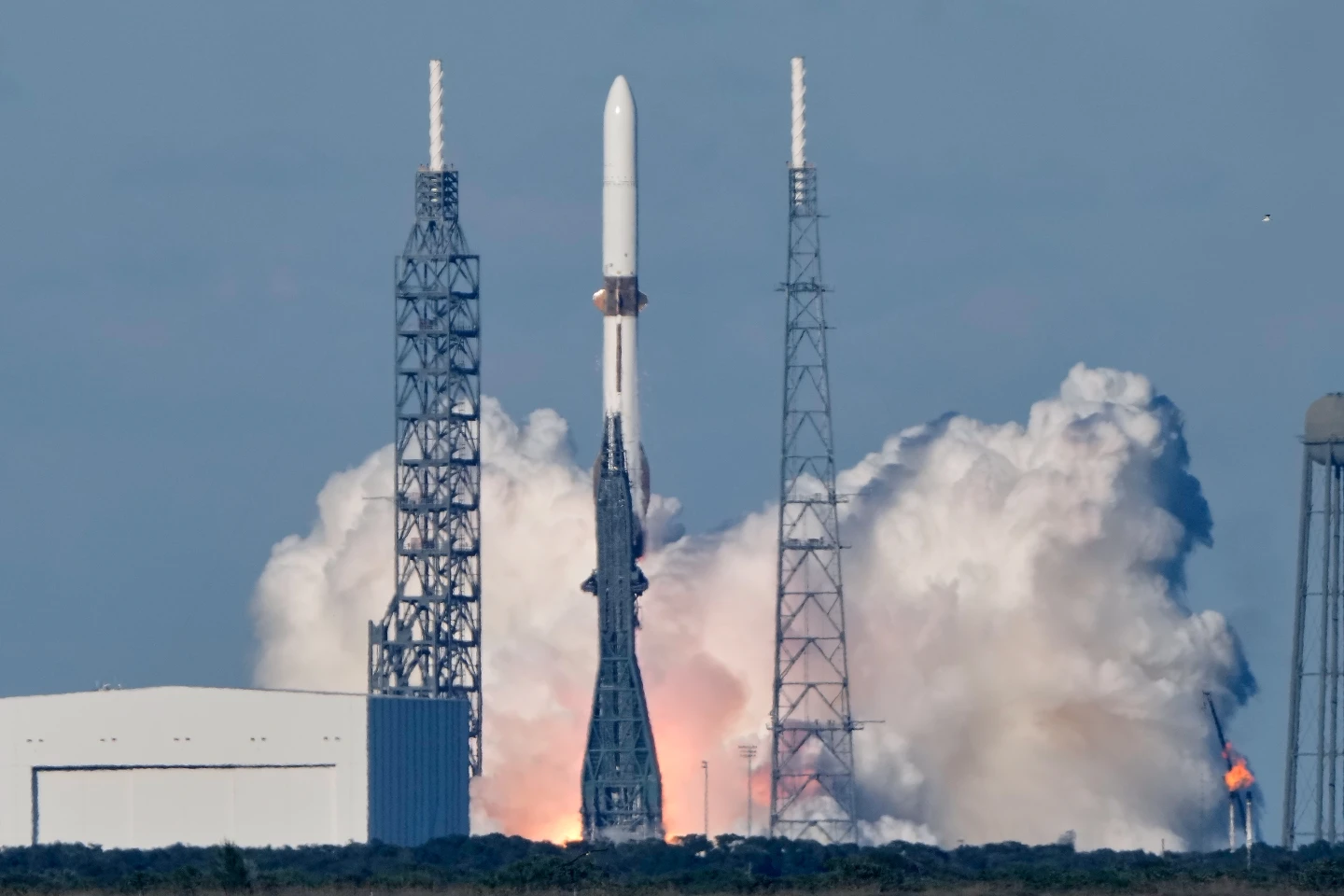
NASA's Artemis lunar missions are designed to significantly contribute to our geological understanding of the moon, with Landers like Jeff Bezos' Blue Moon setting the stage for future crewed explorations. Robotics firms like Astrobotic Technology are also gearing up for significant lunar missions.
2026 will showcase the alignment of six planets in late February, inviting stargazers to witness a celestial parade. This year will also delight enthusiasts with three supermoons, including an extraordinary event closing in on Christmas.
According to experts, 2026 is anticipated to churn out numerous geomagnetic storms contributing to engaging auroras on Earth as scientists prepare to utilize data from a new observatory launched last fall.
Overall, 2026 promises to be a thrilling year for both casual observers and avid astronomers as they prepare to explore the vast wonders of our universe.