In brief
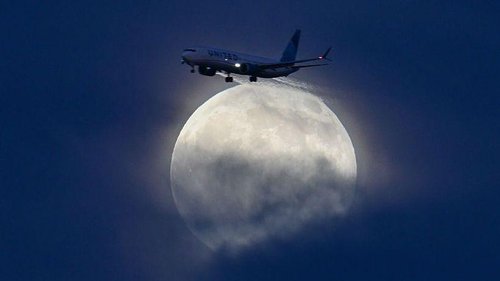
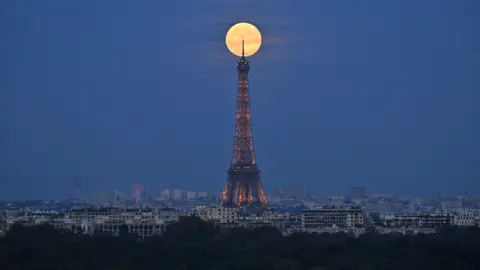
This week's Hunter's Moon brought enchanting views as it illuminated various cities worldwide. A supermoon occurs when the moon is at its closest point to Earth. This October's full moon is steeped in history, being recognized as both the Hunter's Moon and Harvest Moon, evoking imagery of ancient traditions of hunting and harvesting. Photographs captured the moon's breathtaking appearances over iconic landmarks, from the Eiffel Tower in Paris to the skyline of New York City.
Sky-watchers across the globe were treated to a supermoon this week, appearing brighter and larger in the evening sky.
A supermoon occurs when the moon reaches its perigee in orbit, meaning it is at its closest point to the Earth.
This is a special supermoon known by multiple names.
It's called the Hunter's Moon because it's the first full moon in October. The name harks back to historic preparations for winter in the northern hemisphere, where people would hunt and preserve meats.
It's also called Harvest Moon, designated to the full moon that rises closest to the autumn equinox. Its nickname recalls a time when farmers would use the moon's brightness to collect crops in the evening.
The supermoon also sparkled on Monday night, lighting up China's night sky during the Mid-Autumn festival.
Did you miss the supermoon? Or did those rude clouds block the view? Fear not - another two supermoons are expected in November and December.