In brief
The Artemis II mission will include a flyby around the moon, making history with its international, all-star crew. Set to launch within the next few months, this mission is a critical step in NASA's plan to return humans to the moon and establish a sustainable lunar presence by the end of the decade.
The Artemis II Mission Overview
CAPE CANAVERAL, Fla. — NASA is ushering in a new chapter in lunar exploration with the Artemis II mission, the first manned flight to the moon since Apollo 17 in 1972. This upcoming mission aims to send four astronauts beyond the moon on a trajectory that promises to exceed previous records.
This mission embodies the spirit of exploration, reminiscent of the Apollo program, where astronauts will embark on a lunar flyby. The Artemis II will not land on the moon but will take a rapid out-and-back journey that lasts less than 10 days.
Diverse and Talented Crew
The crew for Artemis II showcases a remarkable diversity, including NASA astronaut Christina Koch, who holds the record for the longest single spaceflight by a woman and is set to become the first woman on a lunar mission. Alongside her are Victor Glover, the first African American to live aboard the ISS, retired Navy Captain Reid Wiseman as commander, and Canadian astronaut Jeremy Hansen, marking the first non-American on a lunar roster.
A Powerful Rocket for a Bold Adventure
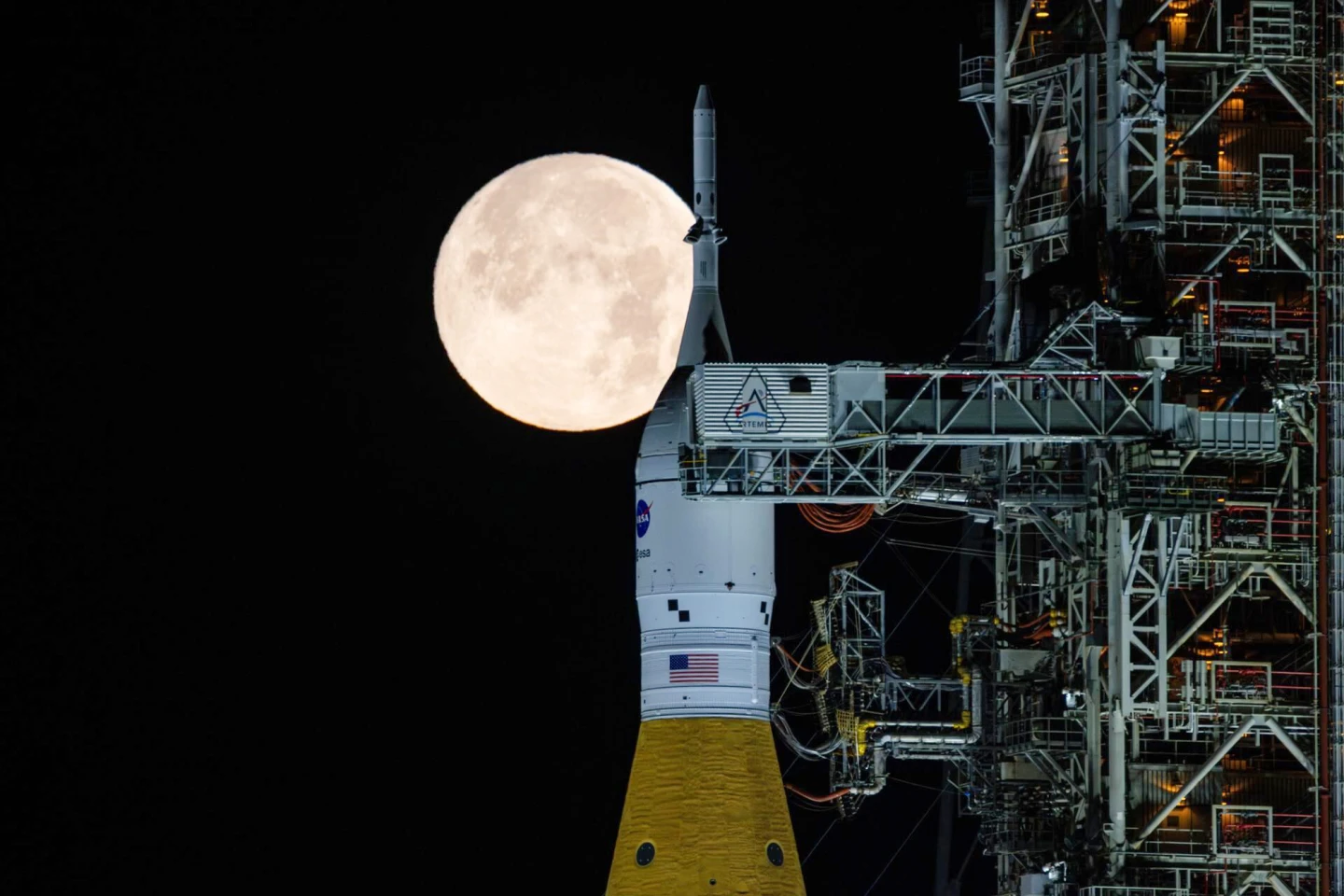
NASA's Space Launch System (SLS) rocket, although shorter than the legendary Saturn V, boasts enhanced power, ensuring the mission's ambitious goals are achievable. Despite several technical setbacks, including hydrogen leaks, the SLS is prepared for Artemis II, propelling the Orion capsule towards the moon.
The Flight Plan
After liftoff, astronauts will practice docking maneuvers and embark on a journey of approximately 244,000 miles to the moon, utilizing a free-return trajectory that requires minimal fuel. On day six of the mission, they will reach their farthest point from Earth, setting new distance records for astronauts.
Capturing Unseen Sights
The Artemis II crew will have unprecedented views of the lunar far side, enhancing scientific knowledge and sparking global interest in lunar exploration. With advanced technology, including the latest smartphones for capturing images, the astronauts will provide a unique perspective on the moon’s hidden regions.
A Triumphant Return
The mission will conclude with a dramatic splashdown in the Pacific, where NASA will closely monitor the performance of the Orion capsule's heat shield—a critical safety feature during reentry. Recovery ships will be positioned nearby, ensuring a smooth return for the courageous crew.
NASA's Artemis II mission is not just a step back to the moon; it is a leap forward toward a sustainable and thriving presence on the lunar surface, engaging and inspiring generations to come.