In brief
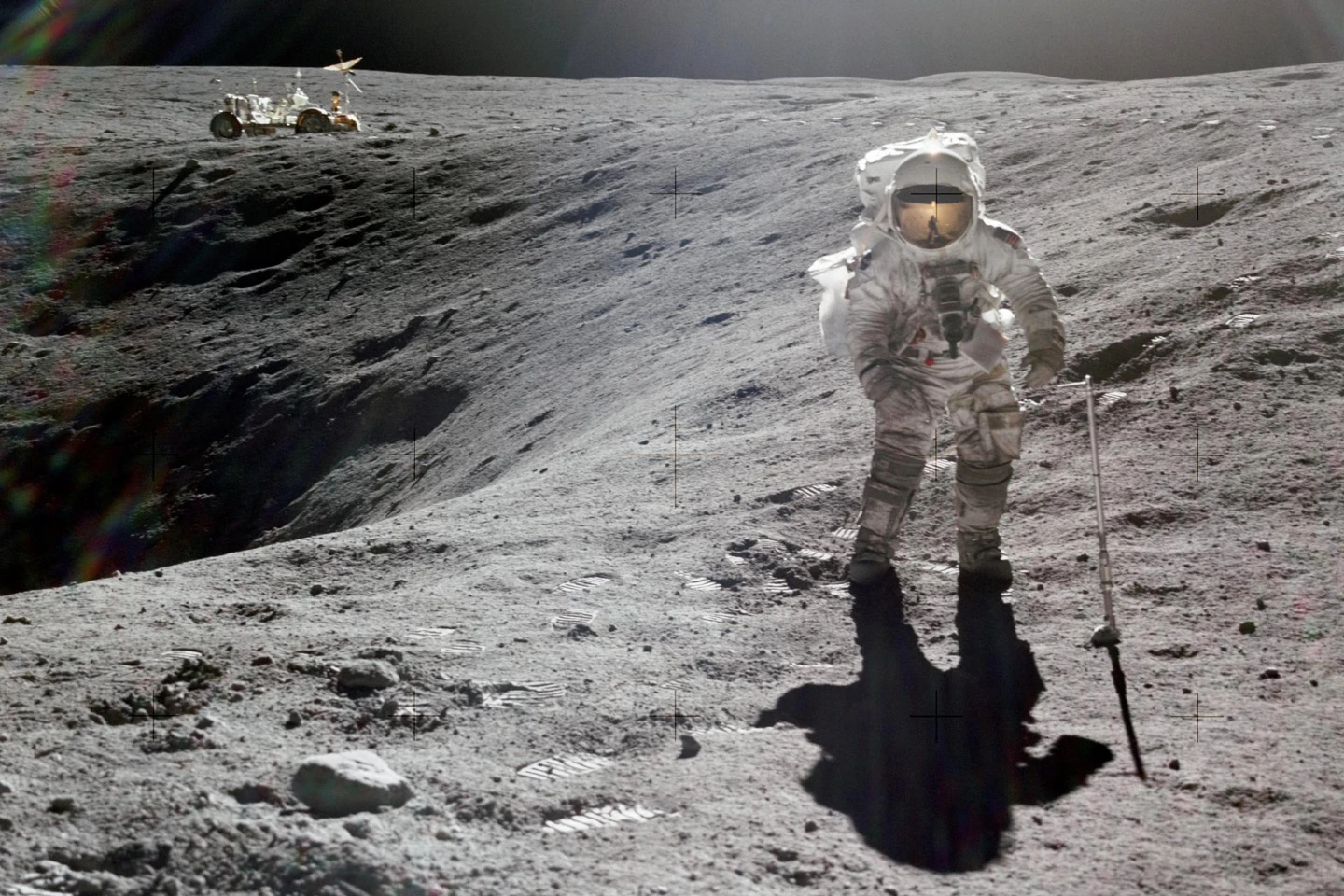
As NASA prepares for its Artemis missions to the moon, a dwindling group of Apollo-era astronauts and engineers share their excitement and concerns. Despite the legacy of their groundbreaking work in the 1960s and 70s, many express wishes for a faster return to lunar exploration while appreciating the roles of women in the Artemis missions. NASA aims to beat China's lunar ambitions by 2028, sparking renewed enthusiasm for space exploration.
CAPE CANAVERAL, Fla. — The legacy of the Apollo program lives on as former astronaut and engineers celebrate NASA’s renewed commitment to lunar exploration through its Artemis missions. With the excitement of potential moon landings on the horizon, many of those who contributed to the original Apollo program feel a mix of thrill and nostalgia, tempering their enthusiasm with a desire for faster progress.A significant number of Apollo’s workforce, now in their 80s and 90s, express wishes for a quicker return to the moon under the Artemis program as they lament the loss of many of their colleagues. Charlie Mars, a 90-year-old veteran who was instrumental in the Apollo era, shares his sentiments that the initial wave of energy and passion surrounding space exploration seems diluted today.JoAnn Morgan, the last remaining woman from the Apollo launch control team, reflects on her disappointment over the cancellation of Apollo moon landings in the early 1970s and looks forward to the upcoming Artemis missions. She emphasizes the excitement of a future where women play pivotal roles in lunar exploration. “It will be greater when they actually have a woman who plants her boots on the moon,” she notes with hope.NASA's strategy aims to surpass the pace of past missions, with new leadership under Jared Isaacman guiding the agency toward a more aggressive timeline for lunar landings, set for 2028. The Artemis II mission plans to take astronauts around the moon as early as April 2024, stirring the spirits of those who once made similar journeys.While anticipation builds for the new missions, the Apollo veterans acknowledge the challenges in rekindling the fervor felt during their time. As they reminisce about the era that sent humans to the moon, they hope that the younger generation will experience that passion again as Artemis seeks to create a sustainable human presence on the lunar surface, possibly leading into interplanetary exploration.