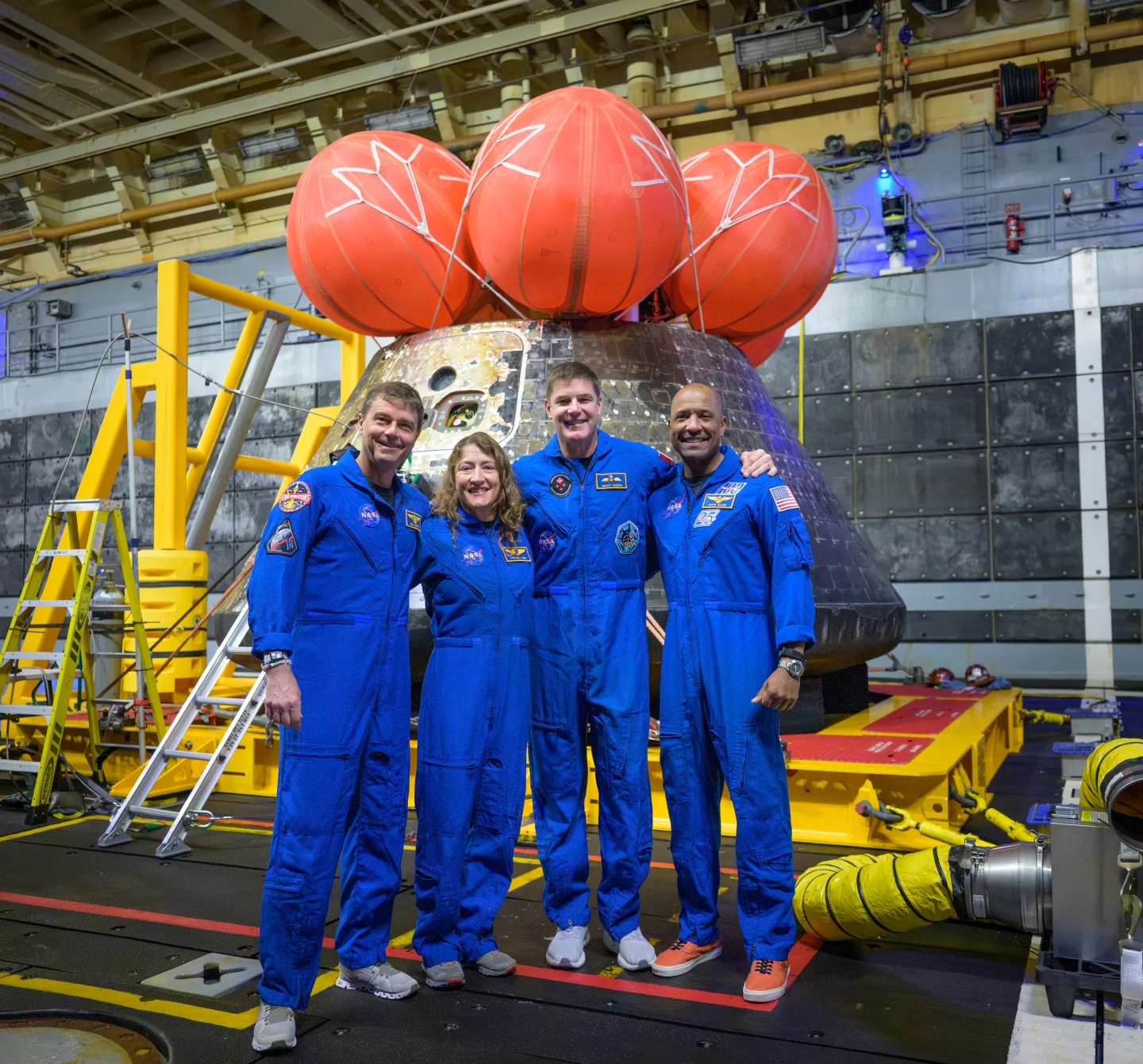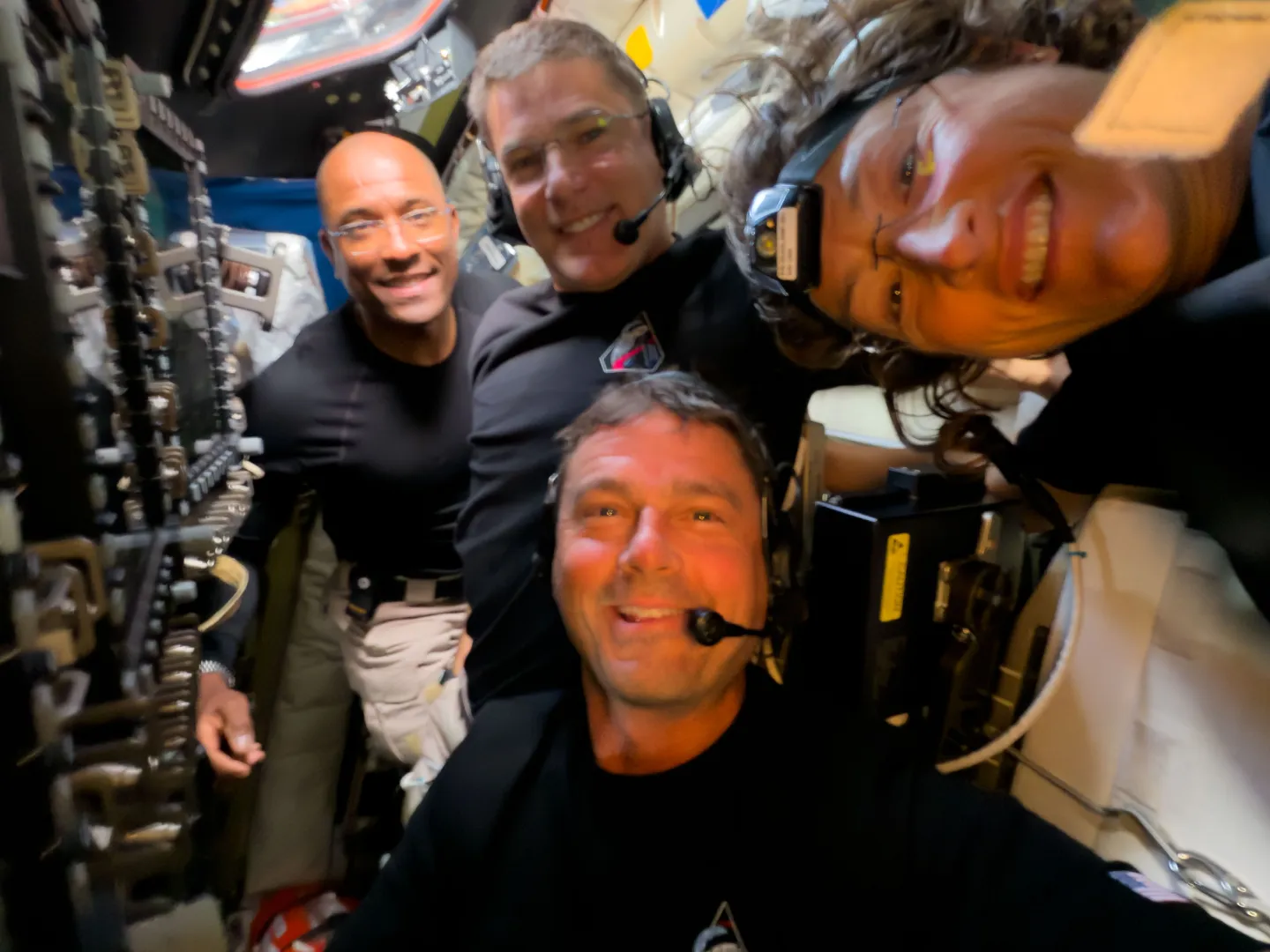
HOUSTON (AP) — As the Artemis II astronauts make their way back toward Earth, they are preparing for their fiery reentry while reminiscing about their incredible journey around the moon, which they described as both surreal and profound.
On the second-to-last day of their mission, the crew, humanity's first lunar explorers in over half a century, found themselves less than 150,000 miles from home, with their odometer steadily decreasing.
“We have to get back. There's so much data that you’ve seen already, but all the good stuff is coming back with us. There are so many more pictures, so many more stories,” pilot Victor Glover remarked. He added that experiencing the return as a fireball through the atmosphere is also deeply significant.
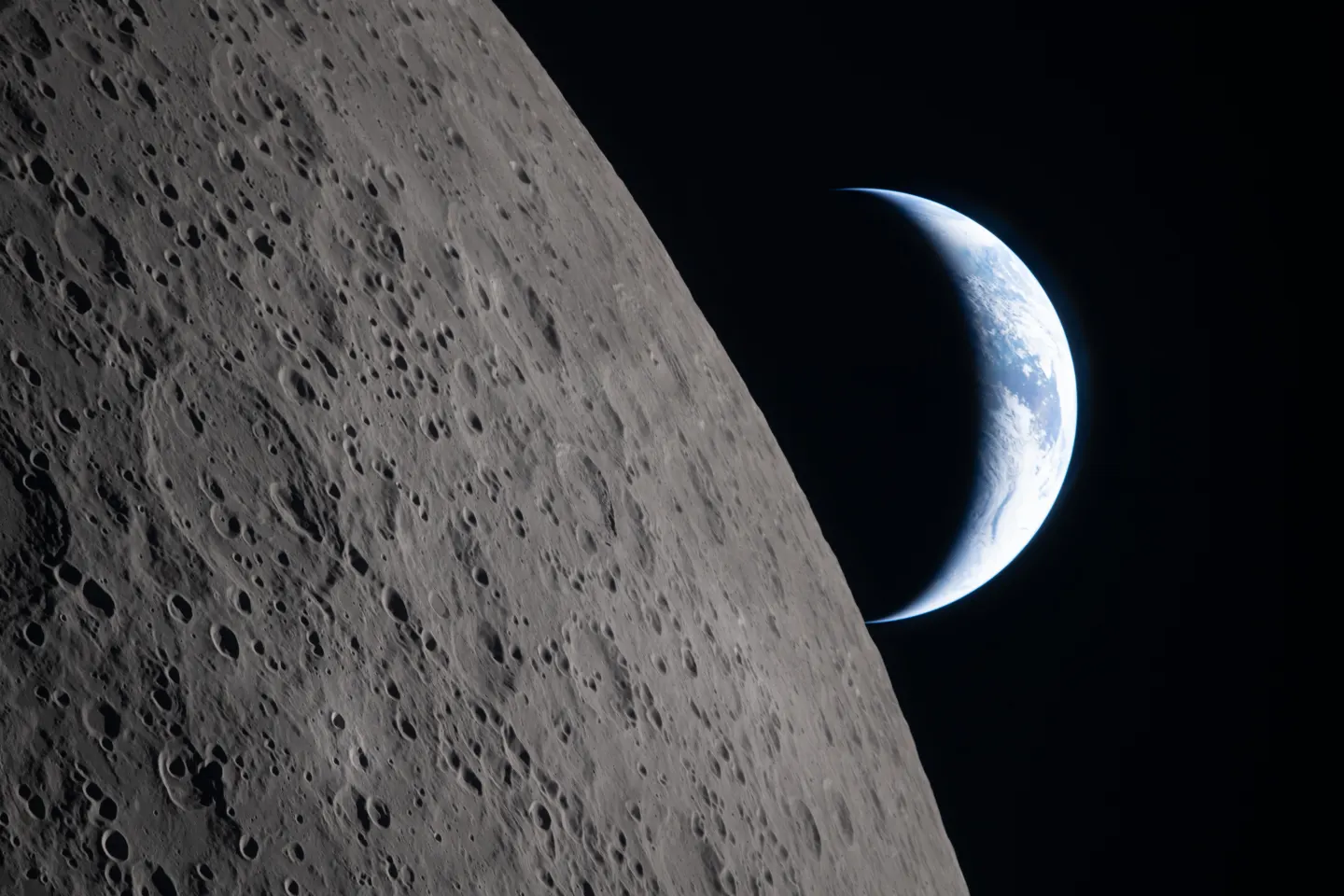
Commander Reid Wiseman shared his thoughts on the isolating experience of being cut off from Earth for nearly an hour while hidden behind the moon, which he called “surreal.” He stated, “There’s a lot that our brains have to process ... and it is a true gift.”
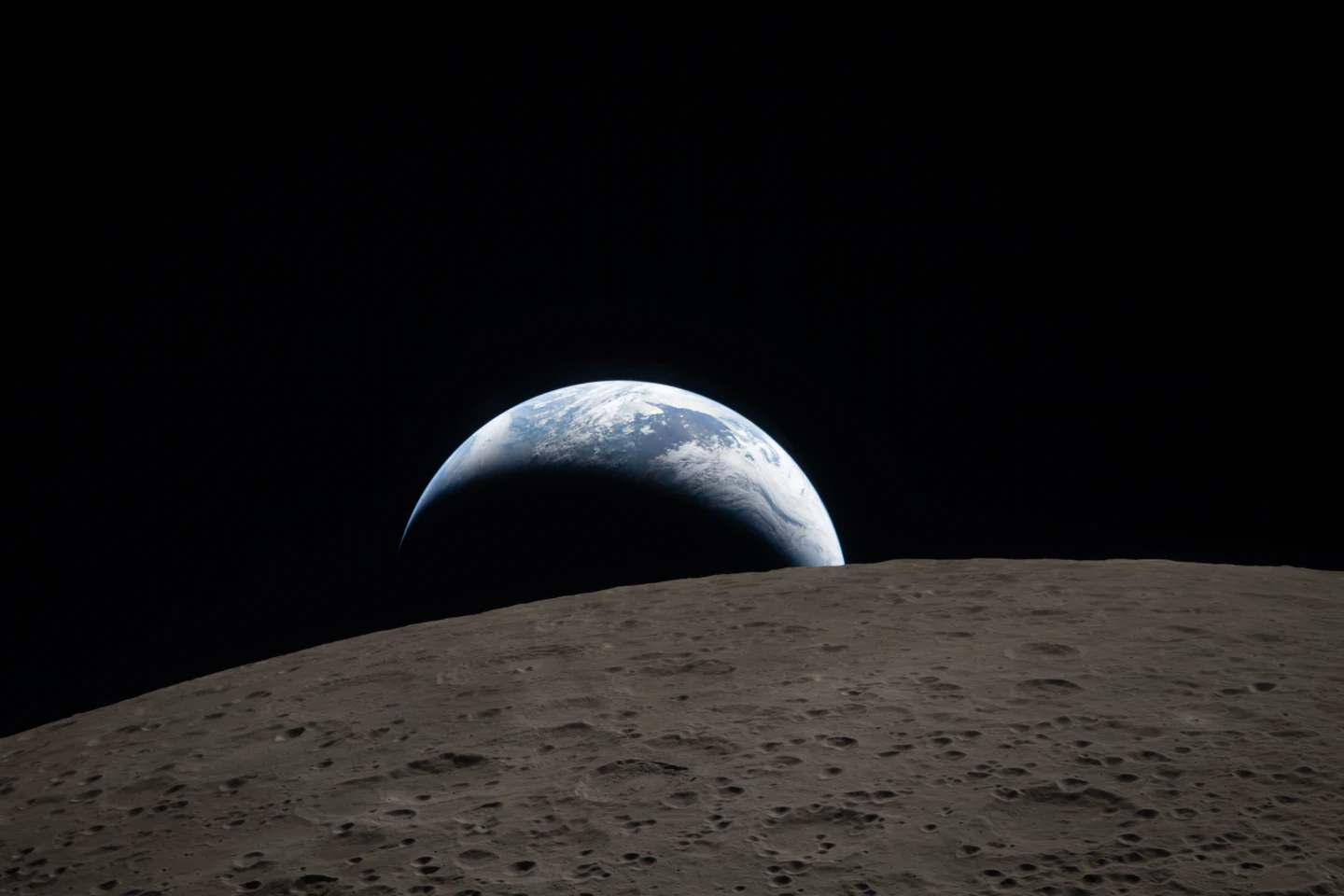
During their time behind the moon, the crew of Wiseman, Glover, Christina Koch, and Jeremy Hansen became the most distant humans, reaching a record distance of 252,756 miles from Earth. Upon reemerging, they were treated to a dramatic total solar eclipse as the moon obscured the sun from their viewpoint.
Glover noted that while the launch from Florida reduced illumination on the lunar far side, witnessing the eclipse was “one of the greatest gifts.”
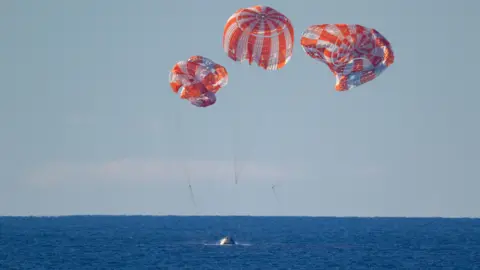
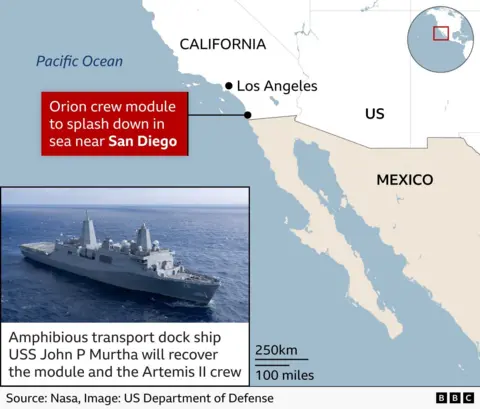
As they prepare for a dynamic and dangerous splashdown off the coast of San Diego, all eyes are on NASA’s reentry plans. Recovery ship USS John P. Murtha and a squadron of military support are already deployed for the operation, marking the first collaboration between NASA and the Defense Department for a lunar crew's reentry since Apollo 17 in 1972.
The Orion capsule will reach the atmosphere at a staggering speed of 34,965 feet per second—approximately 23,840 mph—making the return both thrilling and challenging. NASA is closely monitoring the capsule's heat shield performance, having adjusted the descent to better withstand reentry heat.
Future missions, like Artemis III and beyond, aim to establish a sustainable lunar base, with astronauts preparing for docking operations and planning landings near the moon’s south pole by 2028.
“We’re down to the wire now,” said NASA’s Lakiesha Hawkins. “Getting the crew back home and safely landed is a significant part of the risk that’s still in front of us.”