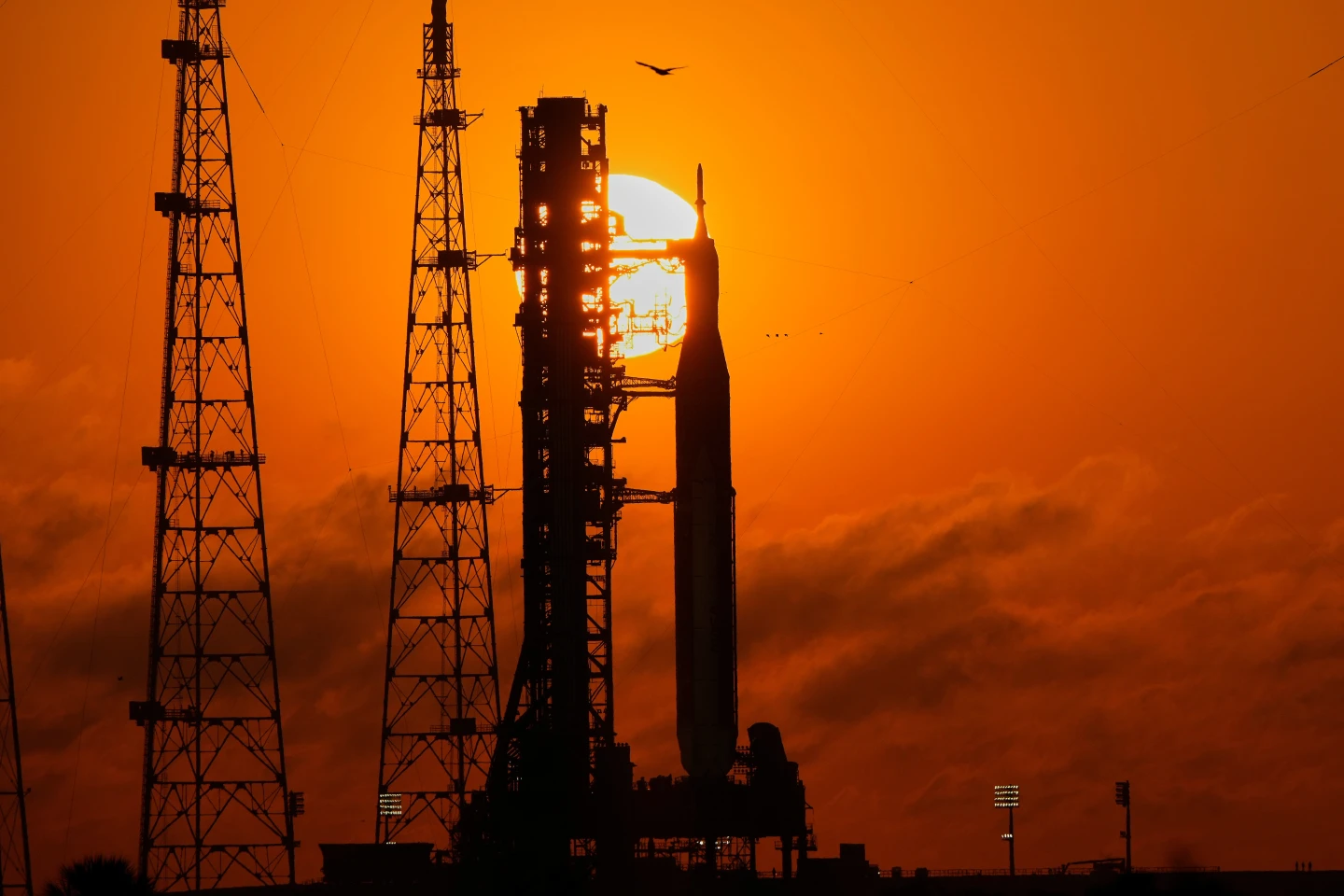
CAPE CANAVERAL, Fla. — NASA is gearing up for its next big leap in space exploration with the Artemis II mission, a historic endeavor that aims to send four astronauts on a journey around the Moon, marking humanity's return to lunar activity more than fifty years after the last Apollo mission.
As the world anticipates this significant milestone, comparisons between the Artemis and Apollo programs are not only unavoidable but highlight the evolution in space exploration objectives and practices. The astronauts of Artemis II will perform an out-and-back slingshot maneuver around the Moon, a method considered safer than Apollo's initial landings.
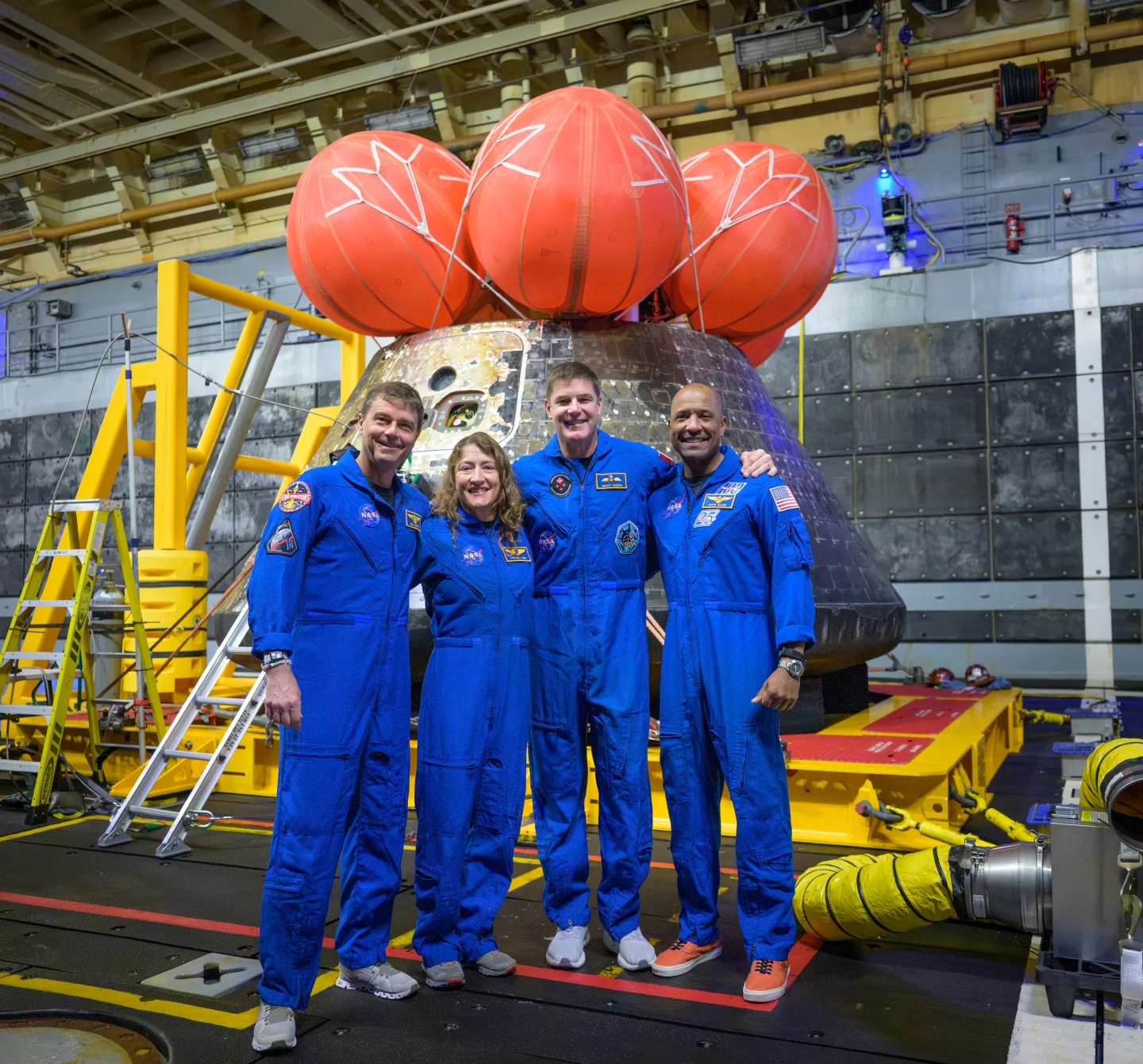
Significantly, the Artemis mission features a crew that exemplifies a broader representation of society, including a woman and a person of color alongside Canadian astronaut Jeremy Hansen. Christina Koch, one of the crew members, acknowledged the unique identity of the Artemis crew when compared to the Apollo program, emphasizing that while Artemis honors the legacy of Apollo, it represents a new chapter in human spaceflight.
Progress and Challenges
NASA faced a lengthy and complicated path leading to Artemis II, a stark contrast to the rapid advancements of the Apollo era. After the success of Apollo 11 in 1969, NASA’s moon program floundered for decades amid debates on whether future missions should target Mars instead.
The Artemis program has undergone extensive redesigns, with Artemis II set to launch in April after years of delays. The newly developed Space Launch System (SLS) rocket successfully completed only one uncrewed test so far, contrary to the confident rocket launches during Apollo.
Jared Isaacman, NASA's new administrator, aims to expedite Artemis missions, implementing an interim mission prior to the planned moon landing in Artemis IV set for 2028. Next year's Artemis III will focus on spacecraft docking and operational tests before attempting the Moon landing.
Rivalries in Space
Contrary to the fierce space race with the Soviet Union during the Apollo era, modern competition is notably focused on China's lunar ambitions. With their successful landings on the Moon’s far side, the Chinese are advancing aggressively toward their goal of landing astronauts near the lunar south pole by 2030.
NASA shares this ambitious target, as securing access to the Moon's potentially water-rich areas is crucial for future lunar colonies. Isaacman is keen on winning this renewed race because the implications of lunar access impact not just exploration, but also national interests and technological leadership.
The Artemis Advantage
While the Saturn V rockets were tall and powerful, the Artemis SLS is designed to offer more lift capability with advanced thrust engines. But repeated delays owing to technical issues have tested NASA’s strategies as they aim for a timely launch.
The Artemis crew will benefit from modern designs, including enhanced spacesuits suited for both launch and lunar activities, promising improved safety and performance during their missions.
Looking Ahead
As NASA prepares for its first lunar landing under the Artemis program, the goal is to establish sustainable living conditions on the Moon with plans for future Mars endeavors firmly in its sights. Artemis aims not just for exploration, but for establishing a new frontier in human habitation beyond Earth, with budget and plans laid out for building a lasting presence on the lunar surface.
The Artemis II mission, while facing inherent risks and uncertainties, represents a significant step toward revitalizing human exploration and ensuring that this new era of space travel also reflects the diversity and collaboration present in today’s global society.