A Russian tanker carrying oil to Cuba has entered the waters off the Communist-run island, according to Russia's Interfax news agency.
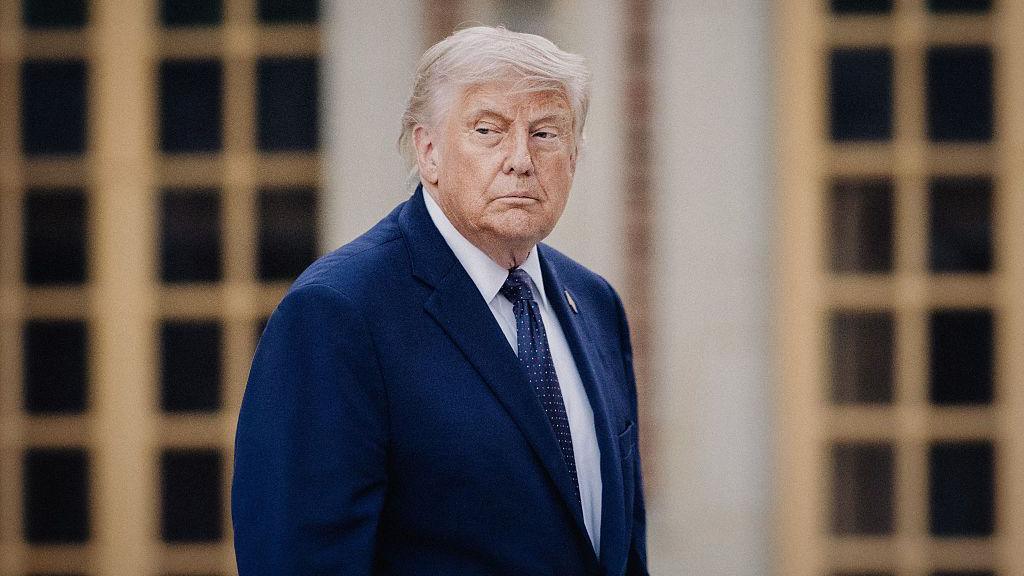
The oil shipment - the first to reach Cuba since January - comes shortly after U.S. President Donald Trump stated he had no issue with countries, including Russia, sending supplies to the island.
Trump's remark indicated a possible relaxation of a de facto oil blockade imposed by his administration against Cuba since January.
Cuba has grappled with widespread blackouts and fuel shortages, a dire situation worsened by the blockade. The Russian tanker, named Anatoly Kolodkin, is bringing a humanitarian shipment containing 100,000 tonnes of crude oil.
Last week, the World Health Organization warned that hospitals in Cuba were struggling with severe fuel shortages, impacting crucial emergency and intensive care services.
The crisis escalated after January 3, when U.S. forces intercepted Venezuelan leader Nicolás Maduro, a key ally of Cuba, who had been supplying the island with oil. Trump had previously threatened tariffs on nations assisting Cuba in receiving oil.
Russian Energy Minister Sergey Tsivilev stated that the humanitarian supplies were essential given the sanctions pressure on Cuba. This shipment is anticipated to provide a temporary lifeline for the island.
However, negotiations between Cuban President Miguel Díaz-Canel and the Trump administration have yet to yield progress, with both sides stating numerous political and economic boundaries that complicate potential agreements.
Cuba's worsening conditions stem from a decline in tourism post-pandemic and significant government mismanagement, and the current energy crisis is unprecedented since the Cold War.
The arrival of the Russian tanker is not merely a delivery of goods but represents broader geopolitical dynamics as Cuba navigates its survival amidst external pressures.