India's parliament has passed a controversial bill that seeks to change how transgender people are legally recognised and their right to self-identify, amid protests by opposition parties and the LGBTQ community.
The government says the changes will make welfare benefits more accessible and strengthen an existing law against exploitation and trafficking, but critics warn it could exclude many transgender, non-binary and gender-fluid people.
India is estimated to have around two million transgender people, though activists say the true number is higher and legal recognition remains uneven. The legislation was approved by both houses this week and now needs the president's assent to become law.
In 2014, India's Supreme Court recognised transgender people as a 'third gender' and affirmed their right to self-identify. Despite legal protections, many transgender people in India continue to face discrimination and limited access to education, healthcare and formal employment, often relying on traditional or informal forms of work.
In 2019, the Transgender Persons (Protection of Rights) Act was enacted, aimed at addressing vulnerabilities faced by the community. Now, the new bill - essentially a proposed amendment to the 2019 law - centres on how a transgender person is defined.
The government says the current definition is too vague and makes it difficult to identify those who are most marginalised. It argues that a narrower definition will help ensure welfare benefits - such as job reservations and healthcare support - reach those who need them.
However, the bill removes the right to self-identify and instead limits recognition to those defined by biological or physical traits. This includes people with intersex variations - where a person is born with sex characteristics that do not fit typical definitions of male or female - as well as traditional identities long used among transgender communities in India.
Additionally, the bill makes certification from medical boards and district authorities mandatory for those undergoing gender-affirming surgeries. Activists say the new bill moves away from the self-identification principle of the 2014 court ruling and could reshape how transgender people are legally recognised.
Critics warn that the new definition could exclude many transgender people, particularly those who rely on self-identification, including some trans men and women as well as non-binary and gender-fluid people. They also argue that mandatory medical certification undermines dignity and autonomy.
Transgender rights activist Laxmi Narayan Tripathi expressed grave concerns, stating, 'It has shattered our identity.' Meanwhile, activist Grace Banu emphasized the community's demand for 'recognition without invasion' and 'rights without humiliation', arguing, 'This is not protection, but violation.'
The removal of 'the factor of self-determination' in the bill has been termed an 'attack on the privacy and dignity of the individual' by lawyer N Kavitha Rameshwar. A Supreme Court-appointed advisory panel has called for the government to withdraw the bill, noting that the removal of self-identification goes against the 2014 ruling and also called for wider consultation, cautioning that the changes could hinder efforts to protect transgender rights.
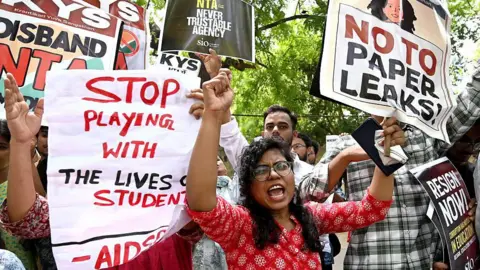
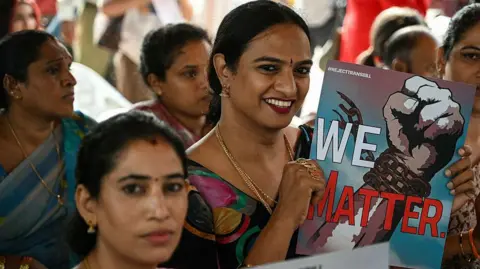
In the past two weeks, LGBTQ community members have protested across India against the proposed changes, while opposition politicians have criticized the bill as 'draconian'. Congress party leader Rahul Gandhi labeled it a 'brazen attack' on transgender rights, questioning the motives behind its hasty introduction.
The government says the changes will make welfare benefits more accessible and strengthen an existing law against exploitation and trafficking, but critics warn it could exclude many transgender, non-binary and gender-fluid people.
India is estimated to have around two million transgender people, though activists say the true number is higher and legal recognition remains uneven. The legislation was approved by both houses this week and now needs the president's assent to become law.
In 2014, India's Supreme Court recognised transgender people as a 'third gender' and affirmed their right to self-identify. Despite legal protections, many transgender people in India continue to face discrimination and limited access to education, healthcare and formal employment, often relying on traditional or informal forms of work.
In 2019, the Transgender Persons (Protection of Rights) Act was enacted, aimed at addressing vulnerabilities faced by the community. Now, the new bill - essentially a proposed amendment to the 2019 law - centres on how a transgender person is defined.
The government says the current definition is too vague and makes it difficult to identify those who are most marginalised. It argues that a narrower definition will help ensure welfare benefits - such as job reservations and healthcare support - reach those who need them.
However, the bill removes the right to self-identify and instead limits recognition to those defined by biological or physical traits. This includes people with intersex variations - where a person is born with sex characteristics that do not fit typical definitions of male or female - as well as traditional identities long used among transgender communities in India.
Additionally, the bill makes certification from medical boards and district authorities mandatory for those undergoing gender-affirming surgeries. Activists say the new bill moves away from the self-identification principle of the 2014 court ruling and could reshape how transgender people are legally recognised.
Critics warn that the new definition could exclude many transgender people, particularly those who rely on self-identification, including some trans men and women as well as non-binary and gender-fluid people. They also argue that mandatory medical certification undermines dignity and autonomy.
Transgender rights activist Laxmi Narayan Tripathi expressed grave concerns, stating, 'It has shattered our identity.' Meanwhile, activist Grace Banu emphasized the community's demand for 'recognition without invasion' and 'rights without humiliation', arguing, 'This is not protection, but violation.'
The removal of 'the factor of self-determination' in the bill has been termed an 'attack on the privacy and dignity of the individual' by lawyer N Kavitha Rameshwar. A Supreme Court-appointed advisory panel has called for the government to withdraw the bill, noting that the removal of self-identification goes against the 2014 ruling and also called for wider consultation, cautioning that the changes could hinder efforts to protect transgender rights.
In the past two weeks, LGBTQ community members have protested across India against the proposed changes, while opposition politicians have criticized the bill as 'draconian'. Congress party leader Rahul Gandhi labeled it a 'brazen attack' on transgender rights, questioning the motives behind its hasty introduction.