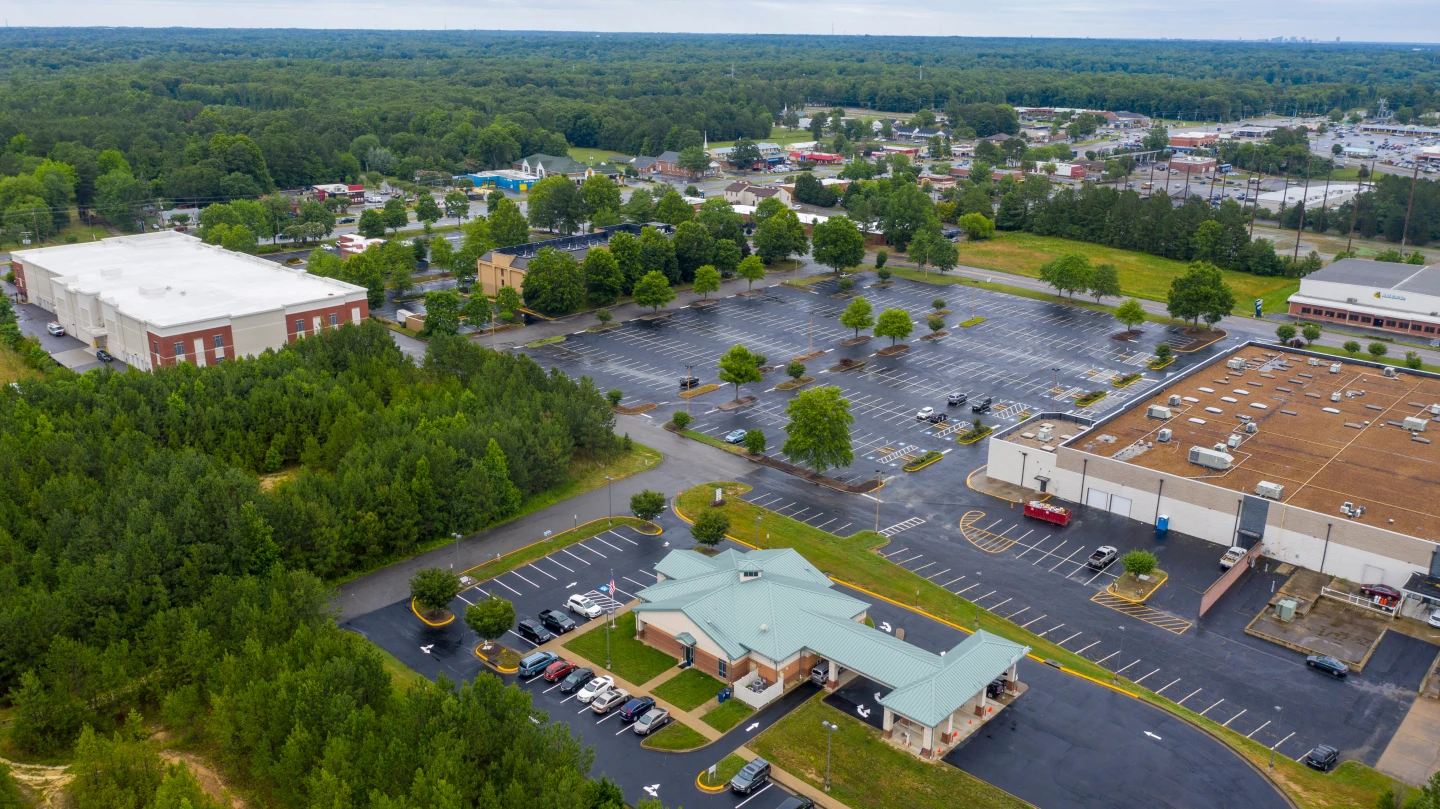
The case stems from the robbery of $195,000 from a bank in suburban Richmond, Virginia, where Okello Chatrie's cellphone played a critical role in his identification as a suspect. Police used a geofence warrant to access location data from devices near the crime scene, narrowing down potential leads. This practice questions how the Fourth Amendment's protections against unreasonable searches apply in the digital age. Civil libertarians caution that geofence warrants could lead to widespread infringements on privacy rights, with broad implications for ordinary citizens whose data is collected without direct evidence of wrongdoing. The Supreme Court's decision on this matter could set a significant precedent for the balance between law enforcement needs and individual privacy protections.
Supreme Court to Decide on Controversial Geofence Warrants' Legality
Supreme Court to Decide on Controversial Geofence Warrants' Legality
The Supreme Court is set to evaluate the legality of geofence warrants, a police tool used in investigations, amidst a legal battle involving a bank robber's conviction based on cellphone location data. The implications for privacy rights and law enforcement could be significant.
In a pivotal case, the Supreme Court will consider the constitutionality of geofence warrants, which allow police to gather location data from cellphones in the vicinity of a crime scene to identify suspects. This technology came into focus during the investigation of Okello Chatrie, who robbed a bank in Richmond, Virginia, and was subsequently tracked through his cellphone. Chatrie's lawyers argue that this infringes on Fourth Amendment rights, raising concerns over privacy as law enforcement increasingly relies on digital surveillance tools.