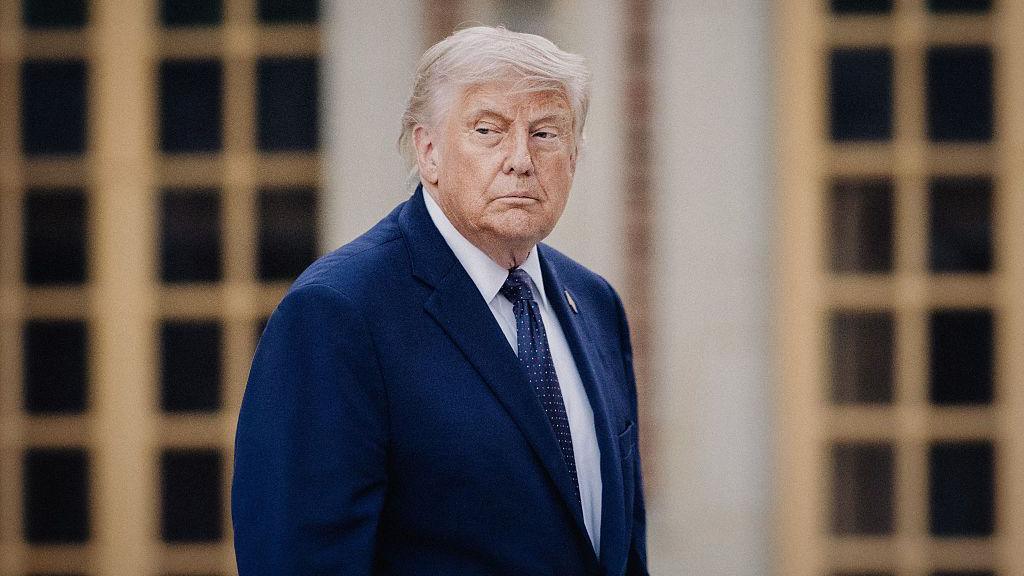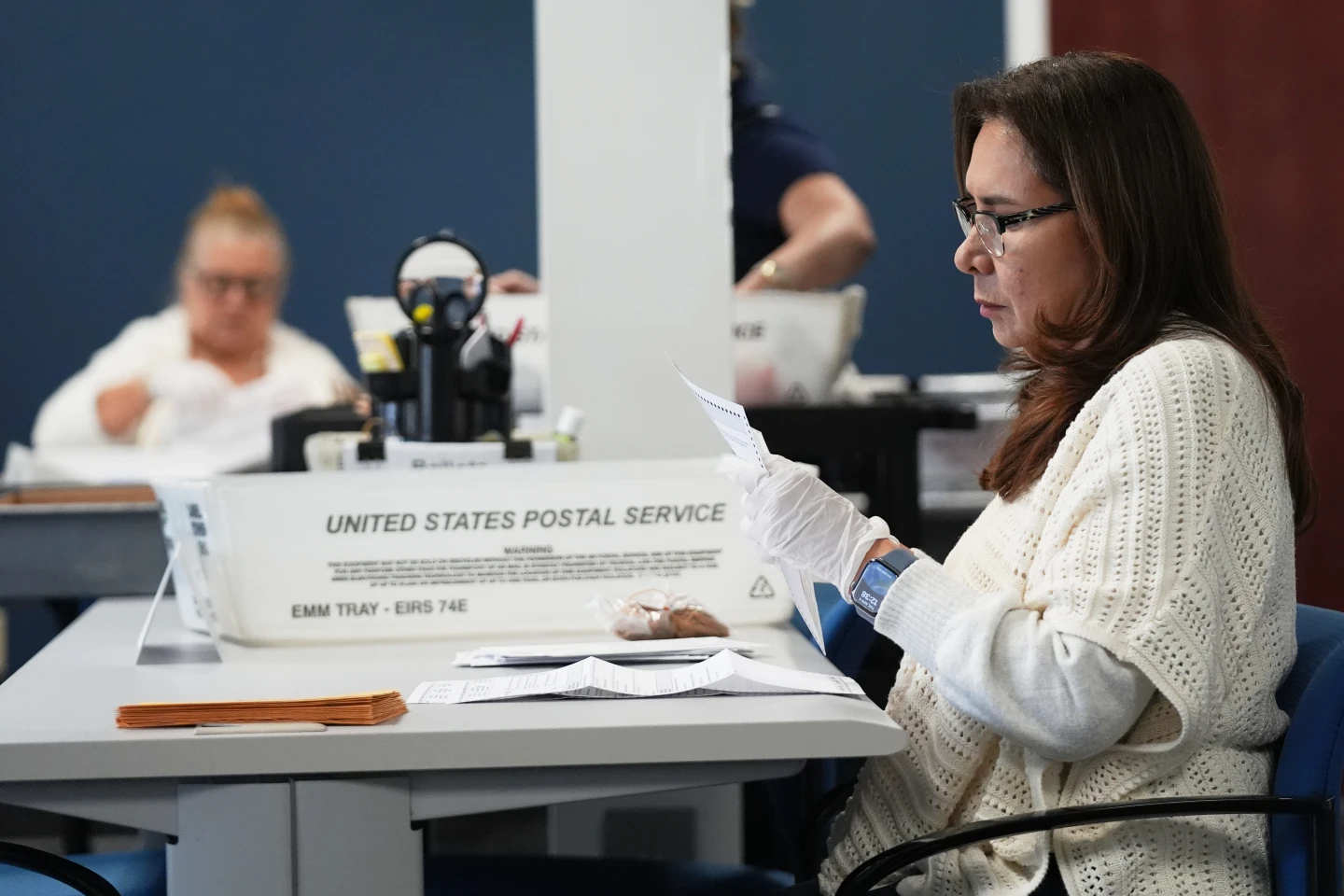
WASHINGTON — The Supreme Court's conservative majority expressed skepticism over state laws permitting the counting of late-arriving mail ballots, a tactic often targeted by former President Donald Trump. The court deliberated on a case from Mississippi, with potential implications for voters in 13 other states and the District of Columbia that allow grace periods for mail-in ballots.
Expected to rule by late June, the decision could set the tone for the counting of ballots in the 2026 midterm elections. This judicial scrutiny forms part of Trump's broader campaign against mail balloting, which he claims fosters electoral fraud despite evidence to the contrary.
Justice Samuel Alito raised questions about the potential for perceived fraud when a significant number of late ballots could drastically alter election outcomes. In defense, Mississippi Solicitor General Scott Stewart emphasized that claims of fraud associated with these ballots remain unsupported.
In contrast, the court's liberal justices advocated for state autonomy, highlighting the risks of confusion and disenfranchisement tied to sudden changes in ballot deadlines so close to election events. They urged that this matter should be determined by Congress and state legislatures rather than by judicial decree.
The outcome could rewrite how states manage elections, particularly regarding mail-in voting practices that have been stable for years in areas like California, Texas, and Alaska, which face unique logistical challenges.
Lawyers aligned with Trump maintain that a recent appellate ruling invalidating Mississippi's law must be upheld, maintaining that ballots must be both cast and received by Election Day to comply with federal law.