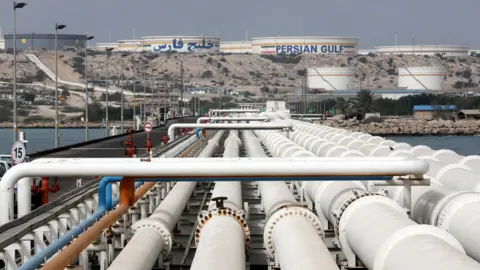
US President Donald Trump has indicated that he may send troops to seize control of Iran's key oil export terminal at Kharg Island in the northern Gulf. So what's behind this, how would it work and what are the risks?
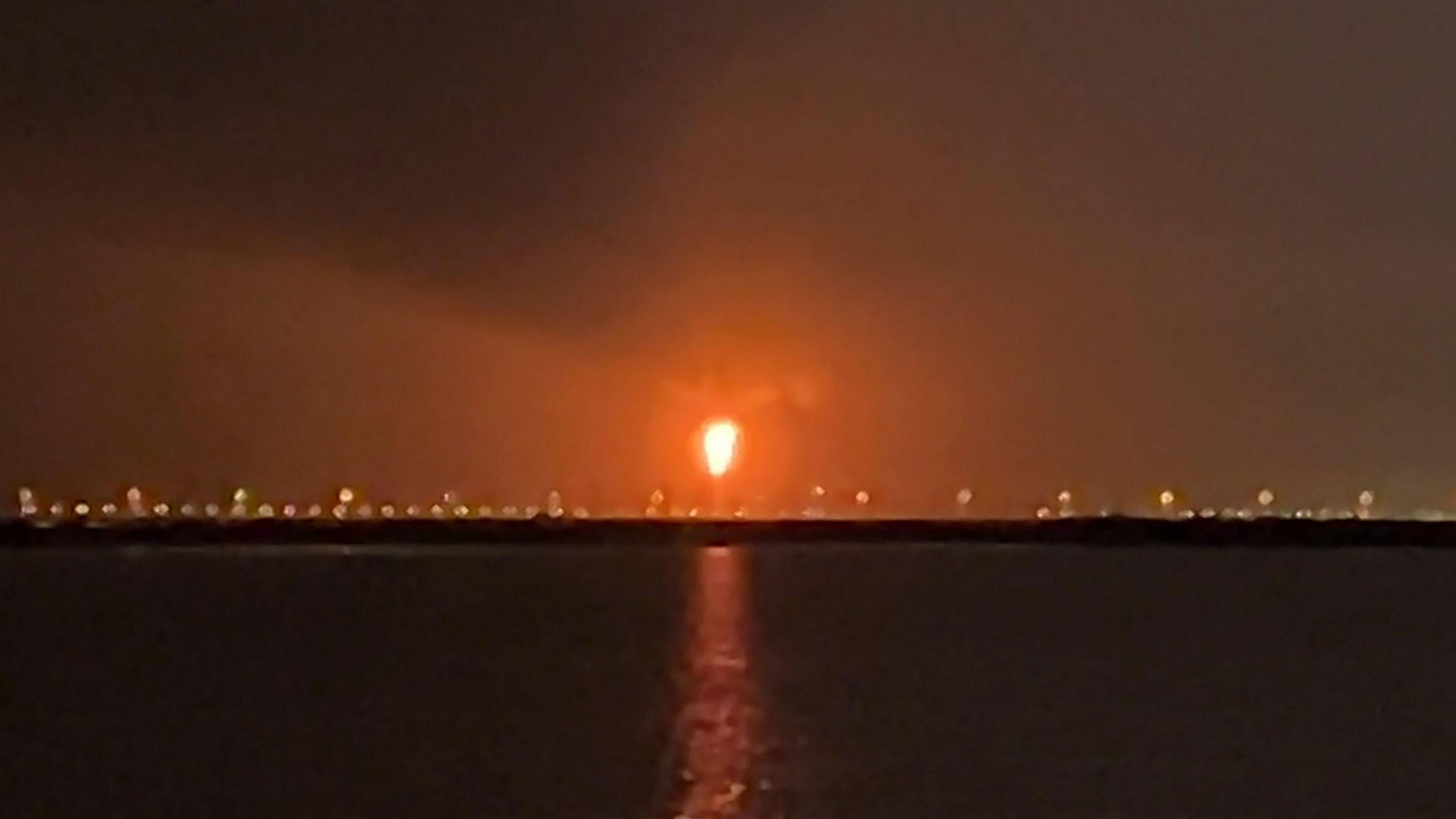
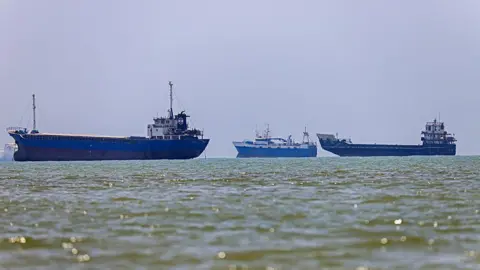
Kharg Island has long been Iran's chief outlet for its oil exports. The island sits offshore with waters deep enough to load product onto tankers known as Very Large Crude Carriers (VLCCs), which can hold around two million barrels. Around 90% of Iran's oil exports pass through Kharg.
During the Iran-Iraq war in the 1980s it was frequently bombed by the Iraqi Air Force, and on 13 March this year the US struck what it said were 90 military targets on the island, but spared the oil infrastructure.
If the US decides to invade Kharg Island, it is likely to be a temporary measure intended to pressure Iran by cutting off its fuel exports until it concedes to Washington's demands regarding the Strait of Hormuz, a vital oil shipping lane.
The resilience of the Iranian regime raises doubts about the effectiveness of this strategy. Iranian officials have stated that any invasion would be met with severe retaliation. Iran has fortified its defenses on the island, adding missile systems and other military assets.
US force levels in the region have increased, consisting of approximately 5,000 Marines and 2,000 paratroopers from the 82nd Airborne Division. Speculation has arisen that these troops could be utilized to seize and hold Kharg. The paratroopers might stage an airborne assault to secure key positions while the Marines would stage landings via ships equipped with advanced technology.
However, any approach would likely encounter fierce resistance from Iranian defenses, including anti-personnel mines and drones. Although US forces are highly capable and could prevail in combat, such a campaign could lead to significant American casualties.
Moreover, holding Kharg Island poses challenges as the occupying forces would be subjected to bombardment from the Iranian mainland.
Strategically, there are parallels between this situation and Ukraine's Snake Island, which was initially held by Russian forces but later abandoned due to sustained Ukrainian attacks. A prolonged occupation of Iranian territory could also face domestic opposition in the United States.
While much speculation surrounds the potential for ground invasion, Iran has accused the US of duplicity, engaging in peace talks while simultaneously moving troops into the region. It remains unclear what path will be taken as discussions continue between the two nations.
There could be other islands in the Gulf that the US may target, including Larak Island near Bandar Abbas, and Qeshm, believed to harbor missile sites. Collectively, these locations strengthen Iran's geographical defense lines, offsetting the US's military superiority.
Ultimately, while military options are being considered, the diplomatic landscape remains dynamic, with the potential for negotiations that might alter the course of action.