In brief
Italian children in southern regions such as Campania now weigh more than 40% of all nine‑year‑olds, turning Italy into a global hotspot for child obesity. The country’s once‑celebrated Mediterranean diet—rich in vegetables, olive oil and fish—has largely been replaced by pizza, pasta, potatoes, protein and bread, a shift clinicians call the “five Ps.” In the town of Ponticelli, a 17‑year‑old boy named Salvatore, who weighs 170 kg, is awaiting surgery that would be too risky for his current weight. Doctors are turning to pharmacological aid such as GLP‑1 injections and are testing fast‑mimicking diets for teenagers to trigger metabolic reset. In 2025 Italy passed a landmark law recognising obesity as a chronic disease and launched a region‑wide school‑based nutrition programme that will reach over 17,000 pupils. Experts warn that while reforms have begun, the cultural attachment to comfort foods and limited physical education infrastructure continue to fuel the epidemic.
Pizza, Pasta, Potatoes – How Italian Children Became So Overweight
By Sofia Bettiza, BBC World Service Global Health Reporter
Daily life is not easy for Salvatore. At 17, he weighs 170 kg and cannot walk to his school on a Vespa scooter without the wheels breaking. “He eats constantly,” his mother Anna explains. Salvatore represents a new wave of Italian children whose weight is now normalised in their communities, notably in Campania where more than 40% of eight and nine‑year‑olds are overweight. The town of Ponticelli sits among the world’s obesity capitals.
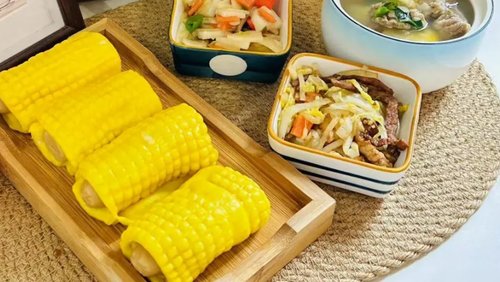
Italy was once the spiritual home of the Mediterranean diet—a tradition of vegetables, olives, whole grains and fish that drew the notice of American physiologists Ancel Keys and his wife in the 1950s. Today, only around 10% of Italians still follow that pattern. Doctors describe the modern foodscape in terms of the “five Ps”: pizza, pasta, potatoes, protein and bread. The result is an abundance of calorie‑dense meals and limited fruit and vegetable intake.
The most extreme cases, like Salvatore’s, are too heavy for the standard bariatric surgery that removes up to 90% of the stomach. He has been prescribed a GLP‑1 weight‑loss injection to curb appetite and lower his weight enough for surgery. In the Campania region, a national law now recognises obesity as a chronic disease, unlocking new treatment pathways such as a fast‑mimicking diet—five days every three months of 1,100 calories on day one and 770 calories on the following four days—to trigger a metabolic reset. While early data on adolescents is limited, parents are encouraged to adopt balanced meals and schools are being equipped with nutrition workshops that reach more than 17,000 students.
Italian schools face structural challenges; many classrooms are housed in historic palazzi that lack dedicated gym spaces, making regular physical education difficult. Teachers and nutritionists are therefore pushing for home‑school partnerships so children can learn healthy eating directly from caregivers, with the hope that small changes can halt the country’s rising obesity trend. For Salvatore, the upcoming summer surgery would bring the confidence to wear a swimsuit without shame; for millions of children, the fight continues.
For more on this story, listen to our accompanying audio interview on RealTime Wire Sounds.