In brief
The 2026 Ebola outbreak in eastern Democratic Republic of Congo, caused by the rare Bundibugyo strain, is now projected to surpass the 2014–2016 epidemic that killed 11,000. WHO Director‑General Tedros Adhanom Ghebreyesus warned that, at its current pace, the disease will eclipse past figures. Over 4,300 cases and 2,000 fatalities have already been reported, and the region’s instability hampers control efforts. No licensed vaccine or therapy exists for Bundibugyo, though the UK has authorised human trials of a new Oxford‑based vaccine. WHO is also testing existing antivirals in a separate clinical trial.
WHO chief says 2026 Ebola outbreak in the Democratic Republic of Congo could become deadlier than any before.
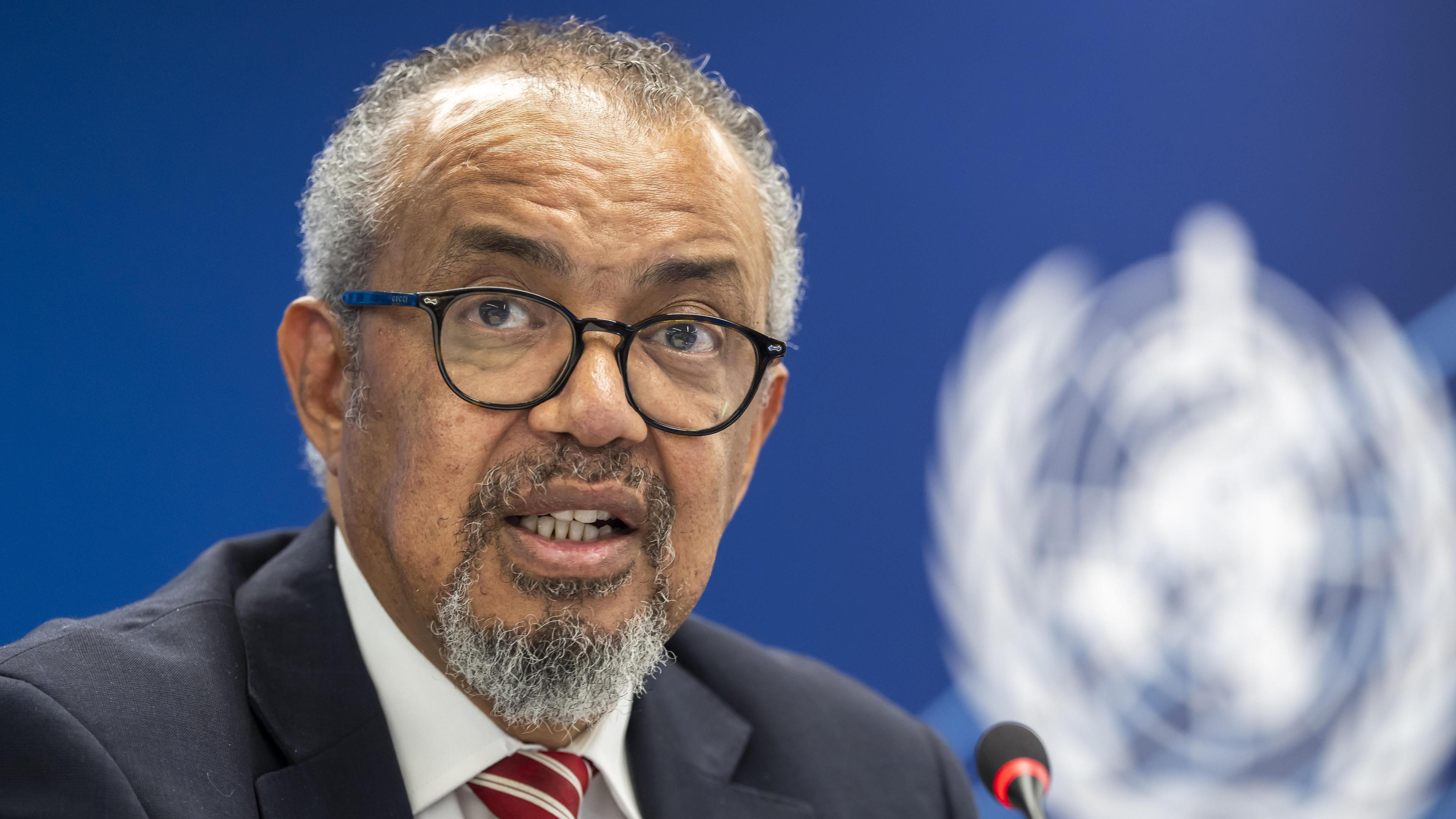
The World Health Organization’s Director‑General, Tedros Adhanom Ghebreyesus, told reporters Monday that the current epidemic—declared on 15 May—may eclipse the 2014‑16 outbreak that killed at least 11,000 people. According to the WHO, the 2026 outbreak has reached 4,300 confirmed cases and more than 2,000 deaths so far.
WHO said it hopes to curb transmission within three months but cautioned that “controlling” the disease does not equal ending the outbreak entirely. It also noted the epidemic began at least three months before the official declaration, pointing to early misdiagnoses as malaria or typhoid.
The virus is the Bundibugyo species—one of only two known outbreaks in 2007 and 2012. No approved vaccine or recognised therapeutic drugs exist for this strain, making containment a major challenge. Regional instability in the eastern part of DR Congo has hindered access, with health workers reaching roughly 30 % of cases, according to WHO Africa Director Dr Mohamed Janabi.
Symptoms begin between 2 and 21 days post‑infection, with flu‑like signs such as fever, headache and fatigue, progressing to vomiting, diarrhoea and organ failure. The virus spreads through direct contact with bodily fluids, including blood or vomit.
In a parallel effort, the UK Medicines and Healthcare products Regulatory Agency allowed the first laboratory‑based clinical trials of a Bundibugyo vaccine. The jab, built by the University of Oxford using a platform similar to the Oxford‑AstraZeneca Covid vaccine, is one of three candidates under development. WHO has also launched a clinical trial in DR Congo to evaluate two existing antiviral therapies for their potential to improve survival rates.
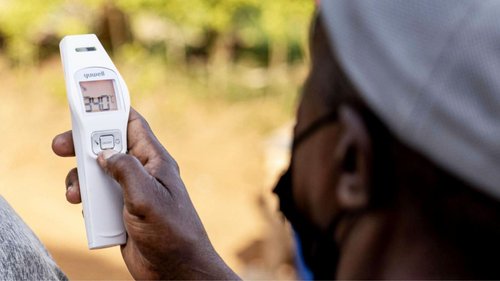
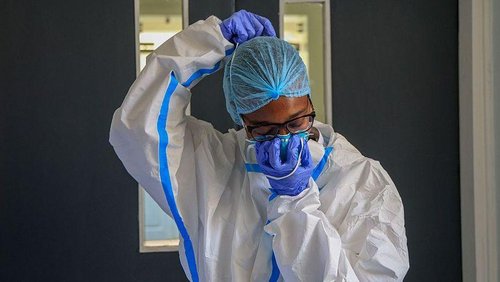
Despite the urgency, the WHO highlighted that “the virus is ahead of us.” Health workers are deploying PPE and early warning systems, but the conflict‑tainted environment makes rapid response difficult. Proper disease surveillance, community engagement and the speed of vaccine rollout are seen as key factors in preventing what could become the deadliest Ebola outbreak on record.