In brief
The first Ebola outbreak in Kenya—reportedly the country’s first—has drawn nine confirmed cases, all connected to an initial patient who came from the Democratic Republic of Congo. Kenyan health authorities have intensified airport screening, imposed digital surveillance for travelers from nine high‑risk countries, and traced and isolated 134 of 135 contacts. Government officials claim that the virus remains under control and that no travel bans are required, while international agencies provide support and urge calm and cooperation. Despite fears, the outbreak has not yet spread beyond this cluster, and Kenya continues to train thousands of health workers to manage the disease.
Kenya announced nine laboratory‑confirmed cases of the deadly Ebola virus, all linked to a single patient who travelled from the Democratic Republic of Congo and died shortly before the diagnosis was published. Health officials say the virus has not yet spread beyond this cluster.
Health Authorities Respond with Screening and Tracing
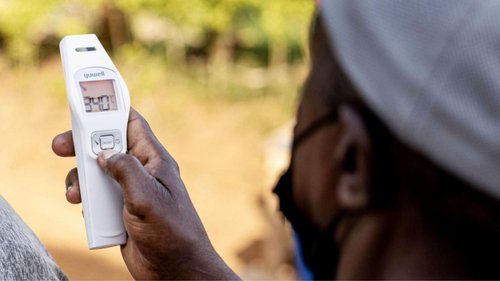
The government has rapidly expanded screening for travelers arriving from nine high‑risk countries, including DR Congo, Uganda, Tanzania, Rwanda, Burundi, Angola, Zambia, Ethiopia, South Sudan and the Central African Republic. Arriving passengers are required to complete a digital health questionnaire and present a QR code to port health staff.
Within Kenya, 134 of 135 identified contacts of the first patient are currently in quarantine—a 99% contact‑tracing success rate. Majority of those infected were relatives of the initial victim, three health workers and a hospital cleaner, underscoring the importance of workplace safety.
Government Reassures Public; International Support Arrives
Health Director‑General Patrick Amoth told reporters that most patients are improving and that the likelihood of a wider spread is minimal. He also announced a dedicated laboratory at Kenyatta National Hospital’s Infectious Disease Unit to handle Ebola testing.
The World Health Organization and Africa CDC have joined Kenya’s efforts, funding additional contact‑tracing, border screening and frontline worker training. About 5,000 health workers nationwide have now received specialized Ebola training.
Travel and Economic Impact Remain Under Control
Despite the US travel advisory and alerts in the UK and Canada, Kenya has announced no travel bans or public gathering restrictions. Analysts say that, for now, tourism and business are not visibly affected, though vigilance remains high.
Neighbouring countries are reinforcing border surveillance; Somalia, Ethiopia, Tanzania and Uganda have tightened monitoring of travelers from affected areas.
Key Takeaways for Citizens
• All contacts of confirmed cases are isolated and monitored for 21 days.
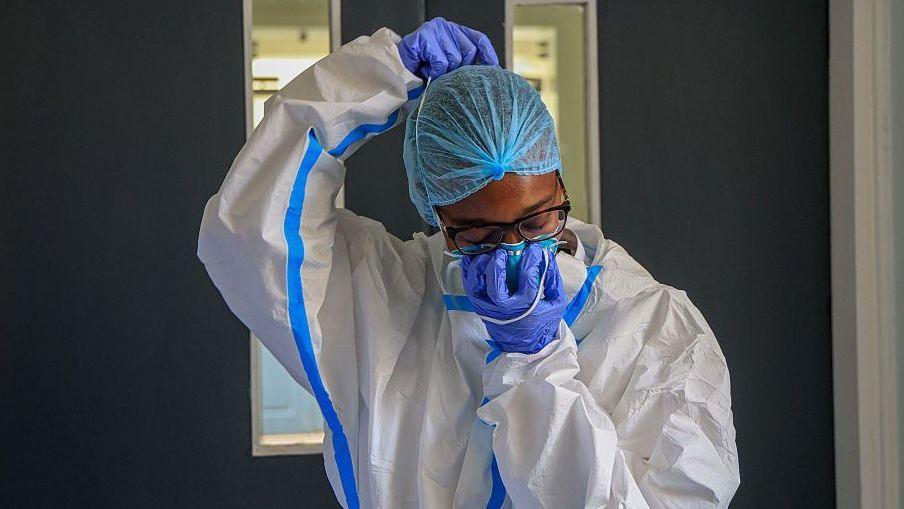
• Wear protective gear and avoid close contact with sick patients.
• Report symptoms immediately through the toll‑free hotline 719.
• Don’t stigmatize those in quarantine; community cooperation is vital.
With coordinated effort, Kenya aims to keep the outbreak contained and prevent a broader epidemic. Continual updates will be provided as the situation evolves.