In brief
An outbreak of waterborne illness has left over 400 residents of the Pretoria region hospitalized with stomach cramps and diarrhoea. Officials confirm high levels of E. coli, norovirus, campylobacter, shigella and other pathogens in the tap water supplied by a local treatment plant. No deaths have been reported, but the outbreak underscores a long history of water‑related health crises in the area. City authorities have declared the water unfit for consumption and are distributing clean water from tankers, advising residents to dispose of stored water and disinfect containers with bleach.
Residents of the Tshwane area surrounding Pretoria have been warned not to drink tap water after more than 400 people, including many children under four, fell ill with stomach cramps and diarrhoea.
The cases were reported to local hospitals over a two‑week period, and laboratory tests identified high levels of E. coli in the water supply. While no deaths have been confirmed, officials reported that the water was contaminated by other pathogens such as norovirus, campylobacter, shigella and additional agents that cause gastrointestinal symptoms.
Officials say the contamination originated from a local water treatment facility that serves several communities east of Pretoria. The Department of Water and the Department of Health noted that the facility had previously failed to warn residents about the water quality issue.
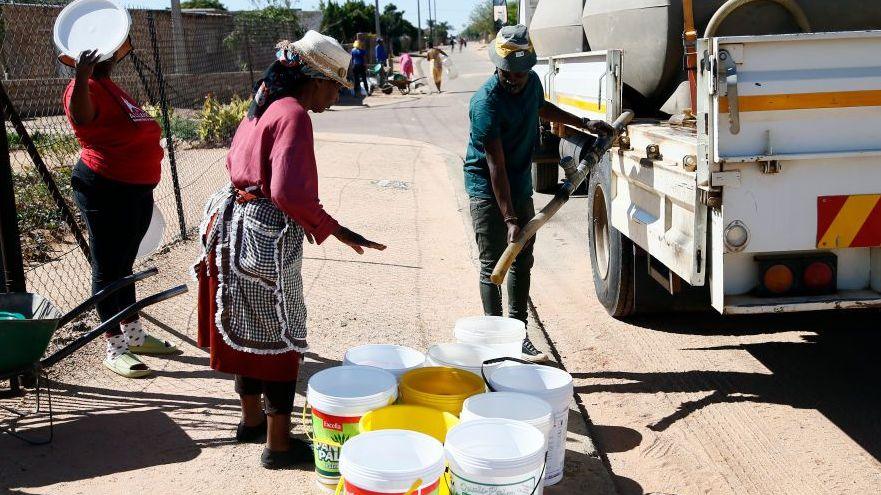
As a precaution, authorities declared the tap water unfit for human consumption and urged residents to use it only for flushing toilets. Clean drinking water has been delivered via tankers, and residents are instructed to discard stored water and disinfect containers with household bleach.
Health services are monitoring the situation closely. In earlier years, Tshwane has experienced serious outbreaks; a 2023 cholera outbreak in the township of Hammanskraal killed 29 people, and a 2025 typhoid outbreak in a township east of Pretoria reported 48 cases.
The current outbreak highlights ongoing challenges with water purification and public health infrastructure in the region.