Niger has revoked the licences of dozens of transport operators and drivers for refusing to deliver fuel to neighbouring Mali, where they face possible attacks by jihadists.
An al-Qaeda affiliate imposed a fuel blockade on Mali in September and began attacking petrol tankers on major highways.
The landlocked country depends on fuel imports and in July had signed a deal with Niger to supply 85 million litres of fuel over six months to its vast, northern desert region, where various militant groups operate.
Niger is an oil-producing country and a major ally of Mali - both run by military juntas which face jihadist violence.
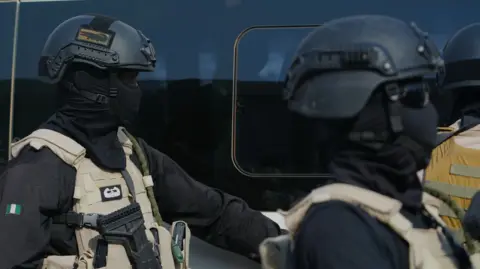
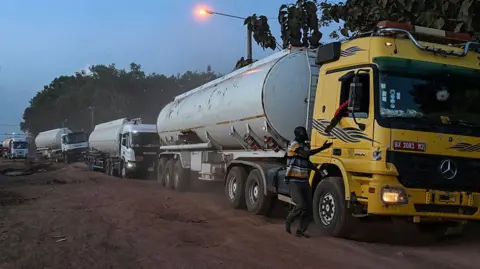
The fuel convoys from Niger making the journey crossing a route of 1,400km (870 miles) have faced jihadist attacks even under military escort.
Last November, Niger delivered 82 fuel tankers to Mali, which managed to stabilise the energy supply hit by the recent blockade - as convoys travelling from Senegal and Ivory Coast have also been hit.
However, plans for additional fuel shipments from Niger were disrupted after drivers and transport operators refused to make the deliveries.
This has prompted Niger's transport ministry to revoke the licences of 14 transport operators and 19 drivers for refusing to transport the fuel.
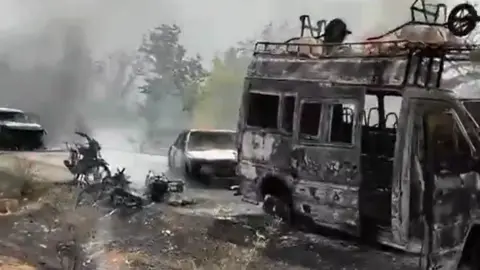
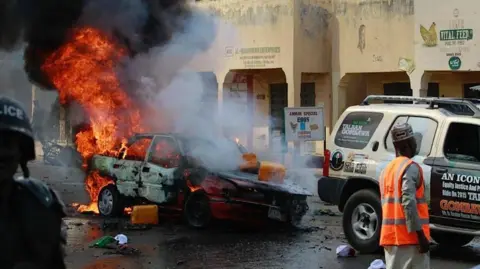
The militant group Jama'at Nusrat al-Islam wal-Muslimin (JNIM) has imposed the blockade - broadening its years-long insurgency to include economic warfare. JNIM's fighters have kidnapped drivers and torched lorries.
The fuel shortage has sparked concern outside of Mali, with the US last November urging Americans not to travel to Mali and France advising its citizens in the West African country to leave.
Mali's military government, led by Gen Assimi Goïta, is struggling to control regions that are still under jihadist influence, prompting a reliance on foreign mercenaries, further complicating the security dynamics of the region.