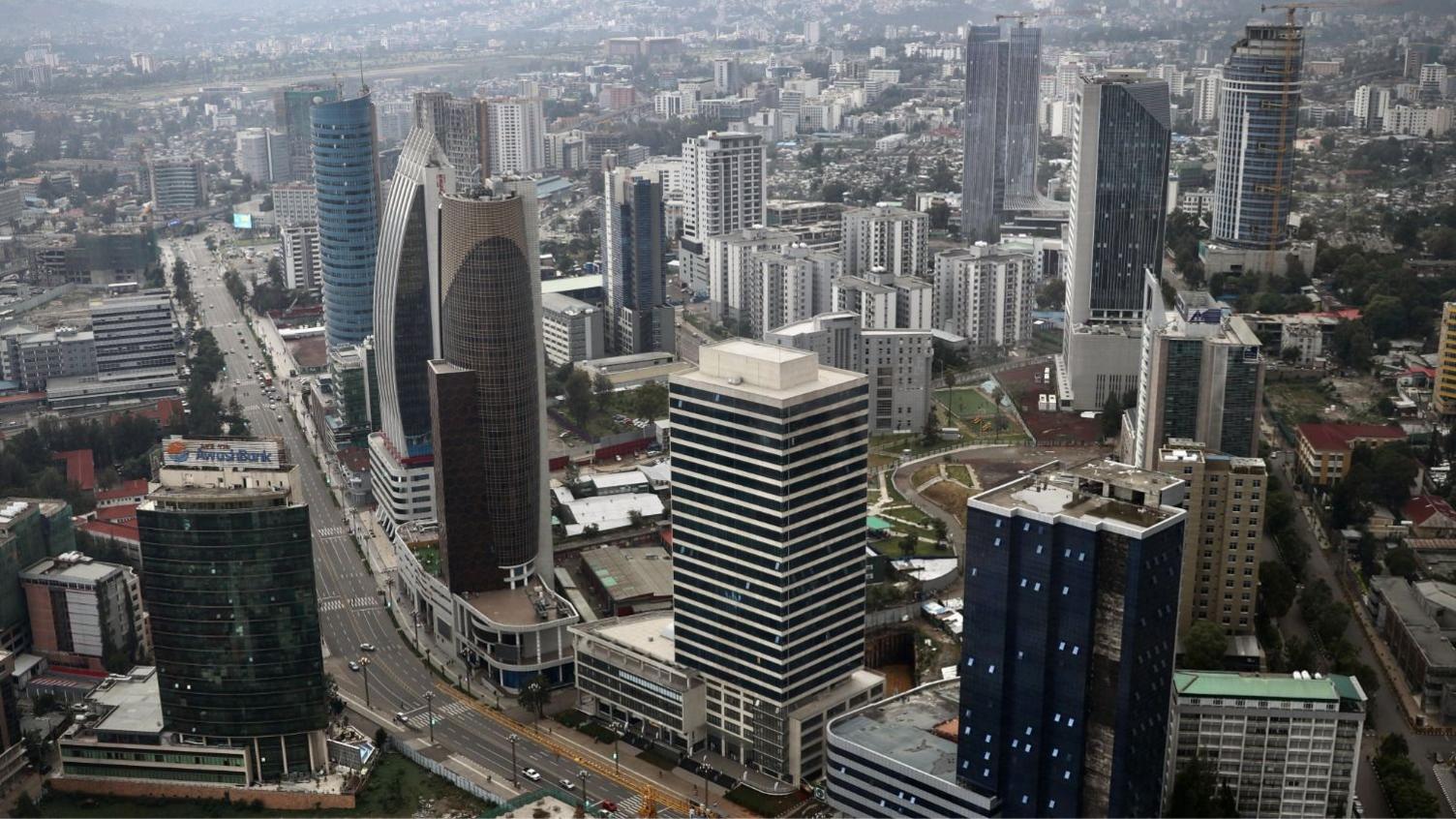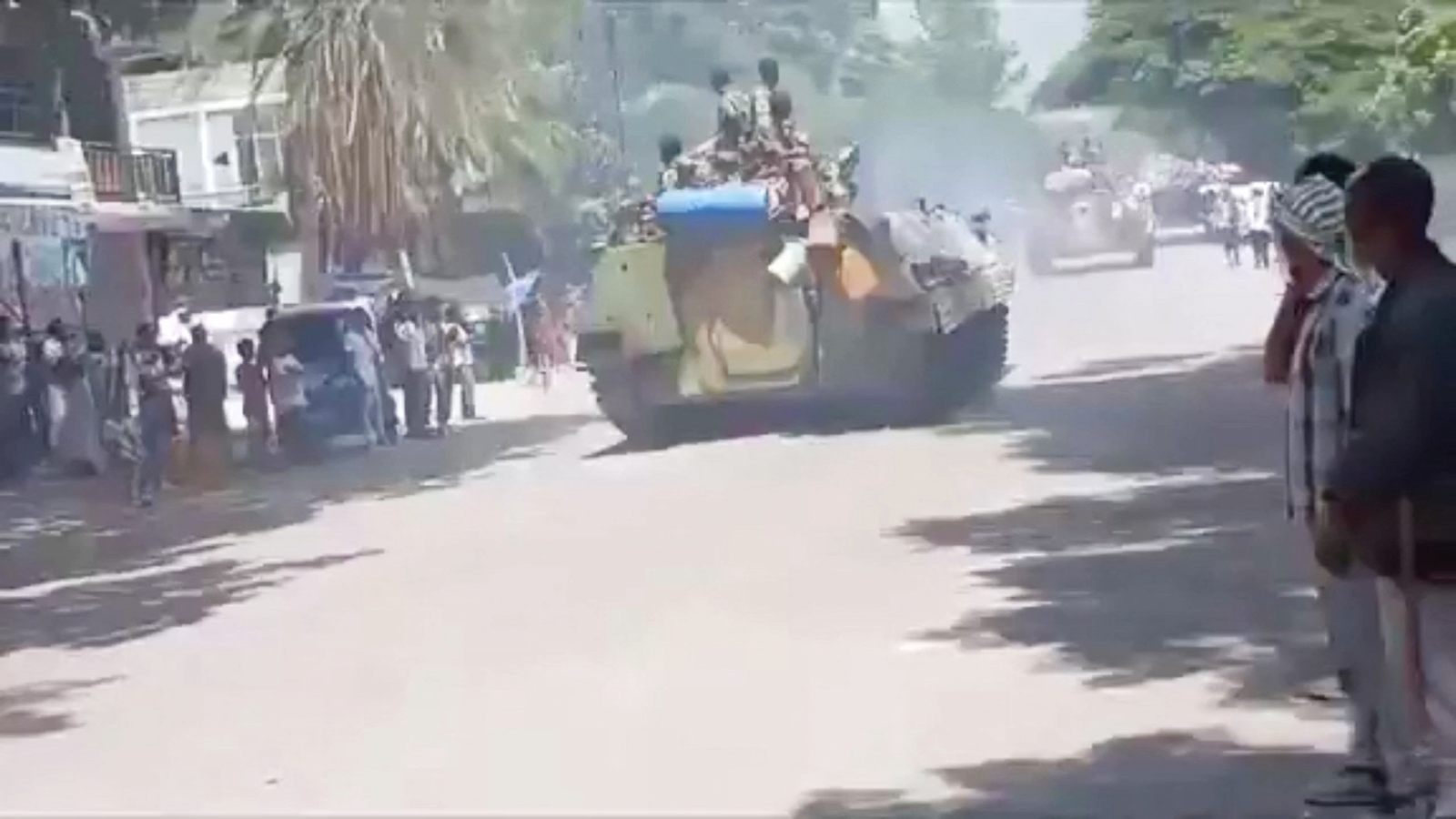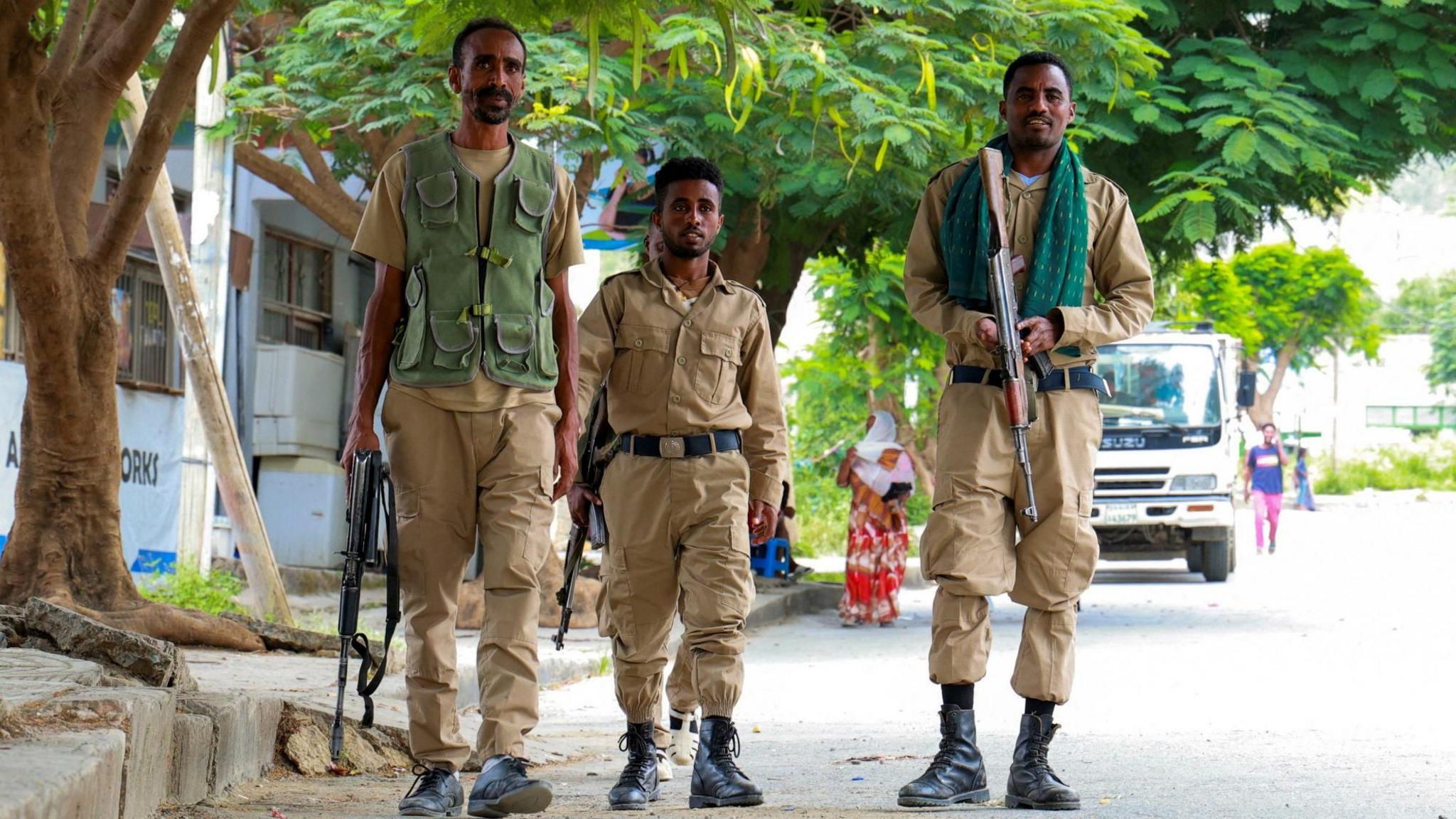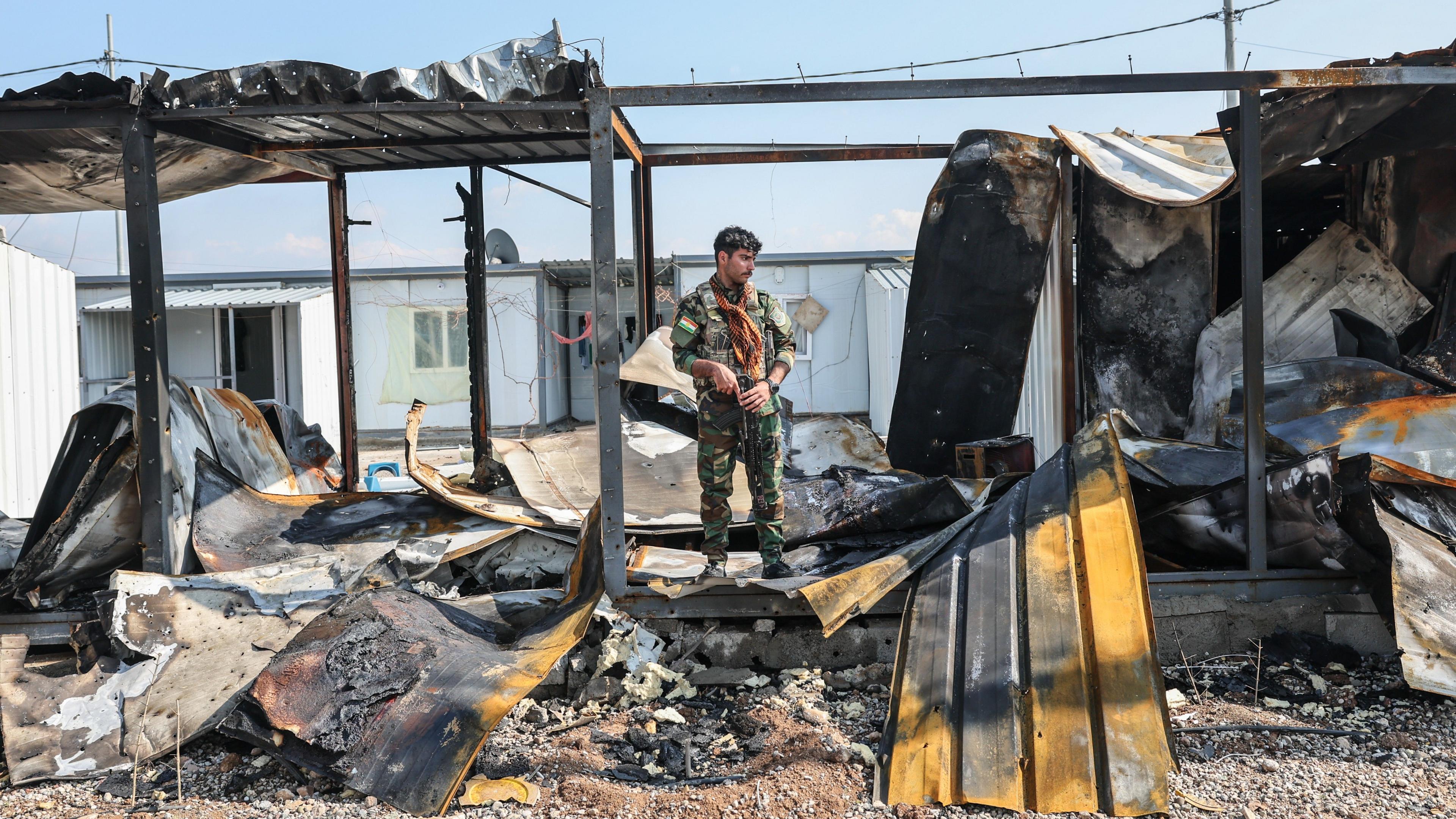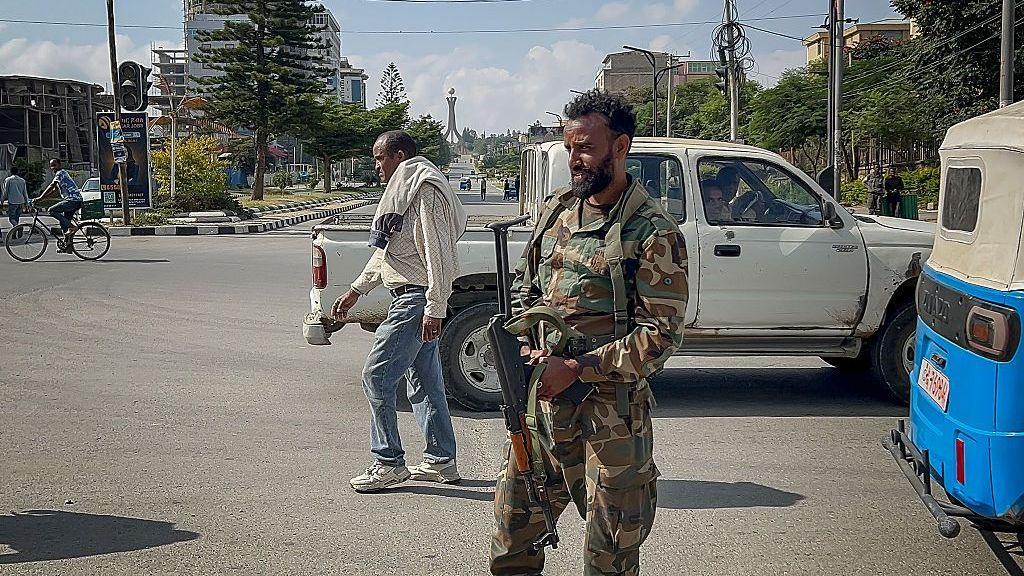
The capital city of Mekelle, long a focal point of the Tigray War, has shifted hands as the Tigray People’s Liberation Front (TPLF) announced a temporary withdrawal from the downtown area. Pro‑government forces now reportedly control the city, with some residents noting that the city’s mobile communications have partially resumed.
The TPLF’s decision was framed as a precaution to protect civilians in the face of advancing national troops, who have been pushing into the region after an escalating clash that began in late August. This change marks a significant turning point in the conflict, which has already claimed the lives of around 600,000 people according to a UN estimate.
Observers warn that the fighting could destabilise the wider Horn of Africa, potentially pulling in Ethiopia’s neighbours. In recent days, Ethiopia and Eritrea have severed diplomatic ties over allegations of rebel support, while diplomatic talks in Cairo have focused on de‑escalation.
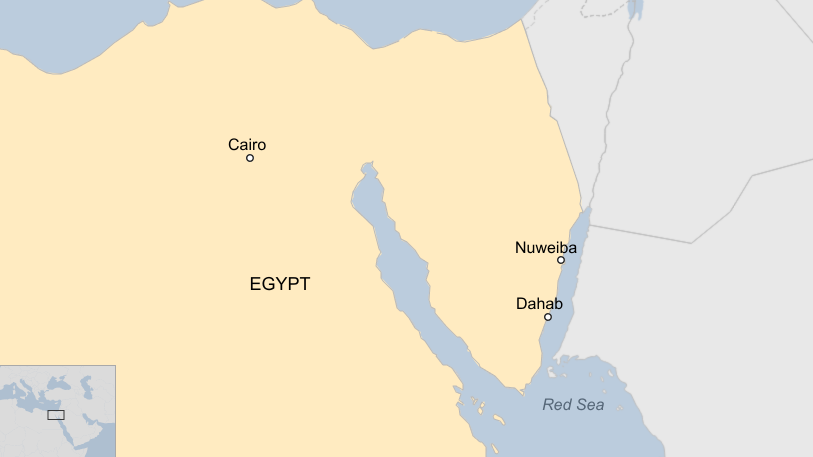
The U.S. State Department has called for restraint and dialogue from all sides, ahead of a meeting in Egypt that aims to address the crisis. Meanwhile, humanitarian agencies report that the conflict’s erosion of security is severely hindering aid delivery, with many communities still in urgent need of assistance.
Mekelle’s evacuation comes amid a broader pattern of shifting fronts in Tigray, Afar and Amhara. Last month, the TPLF announced an alliance with six other armed factions, including the Fano militia from Amhara, signalling an intensified effort to challenge Prime Minister Abiy Ahmed’s administration.
As the city’s control narrative continues to evolve, local residents and international observers alike await further developments that could either signal a fragile ceasefire or a renewed escalation of hostilities.