Ethiopia and Tigray accuse each other of launching offensives, stoking fears of a return to full‑scale conflict.
Prime Minister Abiy Ahmed’s adviser, cabinet minister Getachew Reda, accused the Tigrayan fighters of seizing federally administered airports and striking in the Afar and Amhara regions.
In response, Tigrayan authorities said their forces had been forced into a defensive war after a drone attack struck two secondary schools in the southern town of Alamata, killing at least fourteen civilians and injuring twenty‑two others.
The conflict that ended in 2022 with the Pretoria Agreement has seen both parties accuse each other of violations, and in June 2024 the TPLF announced an alliance with six other armed groups to challenge Addis Ababa’s governance.
The African Union Commission’s chair, Mahmoud Ali Youssouf, called for an immediate de‑escalation, urging both sides to resume dialogue and to respect humanitarian laws, while the U.S. State Department condemned a separate drone strike that hit a convoy of Catholic aid vehicles.
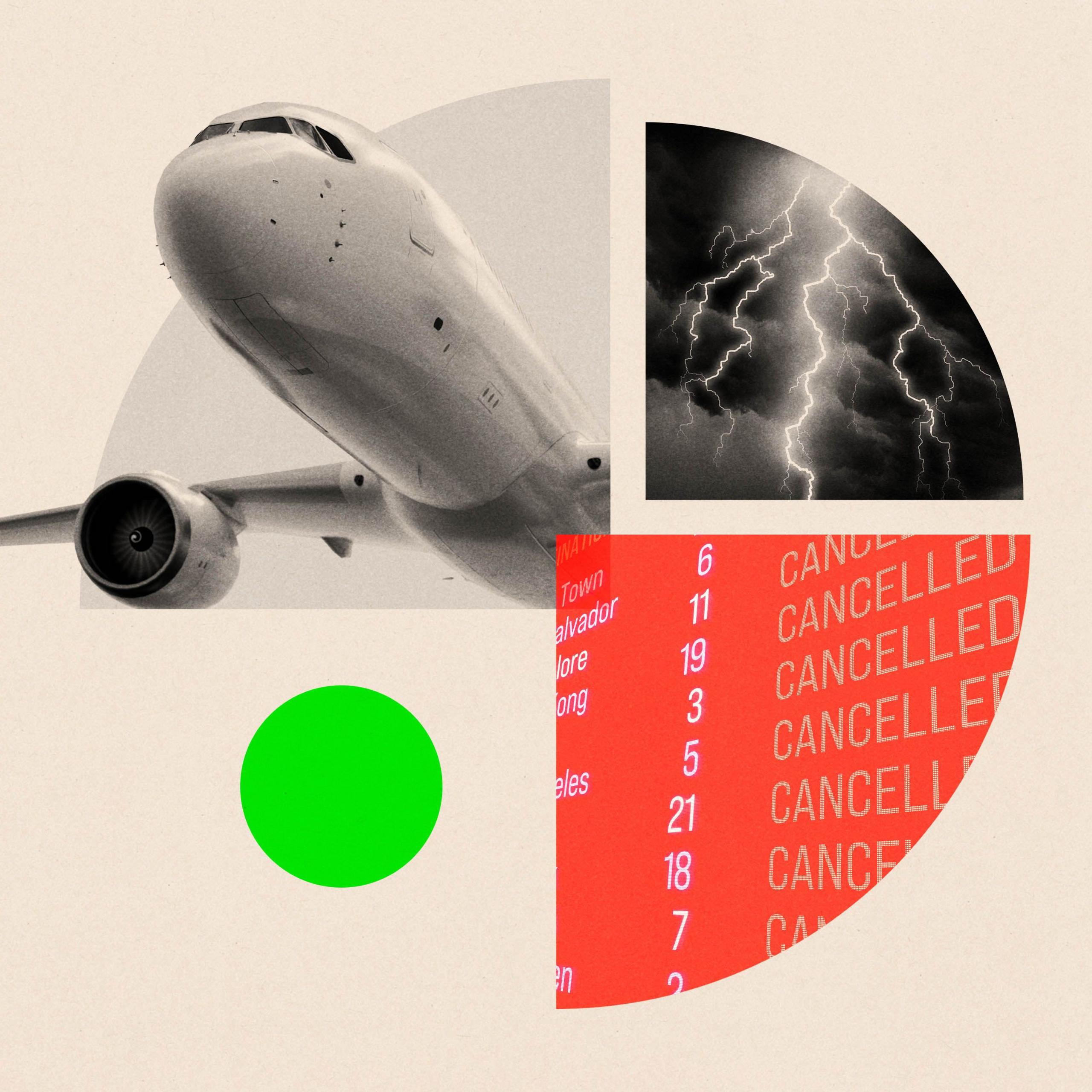
Ethiopian Airlines has cancelled all flights to Tigray, and federal forces claim the TOGs have ‘openly invaded’ the region, though Tigrayan officials reject the claim and stress that critical infrastructure is under their control.
The war’s legacies remain: an estimated 600,000 people have died and the region sits on the brink of famine. The international community remains cautious, hoping for a quick resolution to avert a fresh large‑scale war.