Ethiopia’s Tigray Conflict Escalates: New Alliances and Rising Tensions
By Lucy Fleming & BBC Africa | 26 September 2026, 00:42 BST

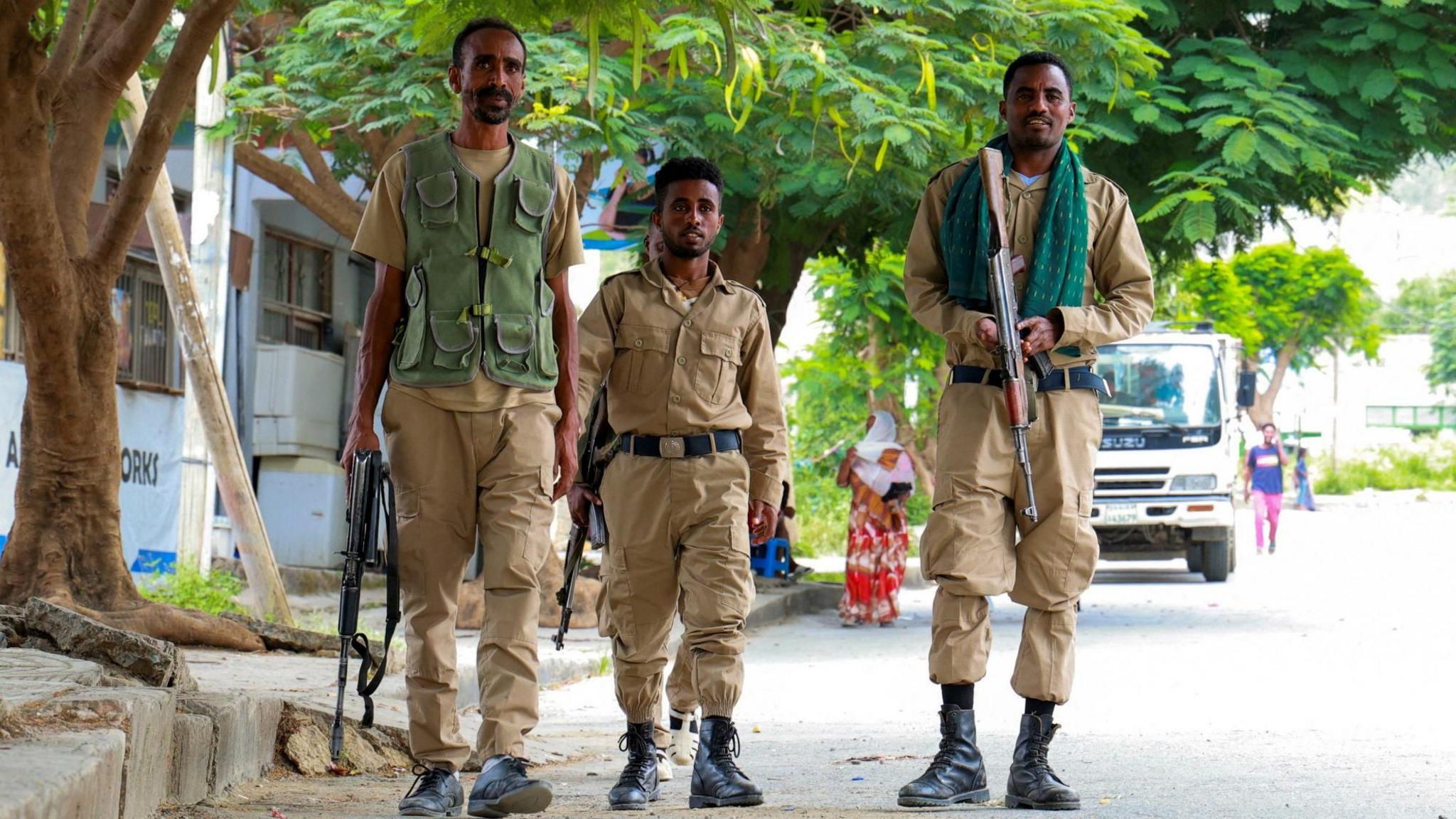
Fighting has erupted in Ethiopia’s northern region of Tigray between regional forces and the national army.
Tigrayan residents, who have been trying to recover from a brutal two‑year war that ended in 2022, fear a return to full‑scale conflict. Panic buying has spread, and internet and call services have been disrupted, leaving many without access to the cash‑less digital payment apps that had largely replaced ATMs several months ago.
Why has fighting broken out now?
Over six months of deteriorating relations between Addis Ababa and the Tigray People’s Liberation Front (TPLF) have seen the peace deal brokered by the African Union at Pretoria crumble, as unresolved territorial and disarmament questions left the ground open for renewed clashes. Both sides blame the other for the latest escalation, with the TPLF accusing the federal army of launching a drone‑driven offensive, while the government insists Tigrayan troops seized airports and attacked first.
Who are the TPLF?
The TPLF rose from an armed movement in the 1970s, played a key role in overthrowing the Marxist regime in 1991, and dominated the Ethiopia People’s Revolutionary Democratic Front for nearly three decades. Its influence was dramatically reduced when Prime Minister Abiy Ahmed introduced the new Prosperity Party in 2018, setting the stage for the 2020 war that killed an estimated 600,000 people.
Why has the peace deal faltered?
The collapse stems from four key issues, one involving the fertile western Tigray. The TPLF lost this territory to the neighbouring Amhara in the early stages of the war and now demands its return or a referendum, while Amhara officials insist the land was never validly part of Tigray. The disagreement has forced many Tigrayan refugees into camps in Addis Ababa and intensified grievances over disarmament and governance.
Who is backing the TPLF?
In September, the TPLF joined forces with six other armed groups—such as Amhara’s Fano militia and the Oromo Liberation Army—to form the Alliance for Survival. Despite diverse grievances, the groups share a common objective: removing Abiy Ahmed’s administration from power. However, analysts warn that this alliance may be fragile due to divergent interests.
What is the government’s position?
The federal regime blames the TPLF for the latest hostilities, denounces the new alliance as a destabilising threat, and accuses Eritrea of supporting armed actors inside Ethiopia – a claim Eritrea denies. The government also pressed its claims to Eritrea’s southern port of Assab, hinting at a potential military approach over the Red Sea.
What do we know about the bombing in Tigray?
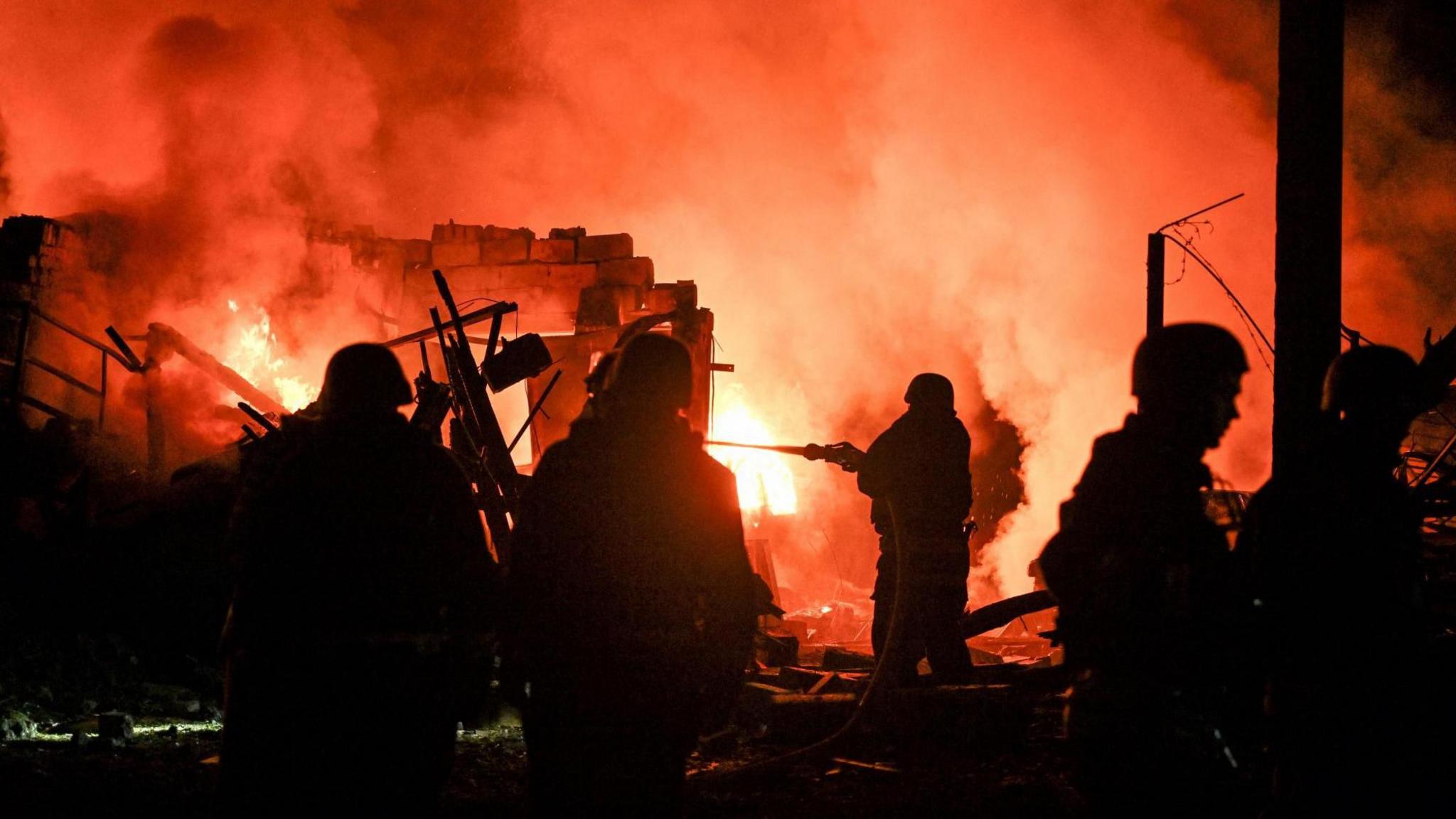
Federal forces report using drones against Tigrayan positions, justifying strikes as retaliation for attacks and to protect national territory. Local reports indicate that drones hit two schools in a town that said it hosted Ethiopian troops, raising questions over whether the weapons were used for military purposes or indiscriminate bombing.
What is being done to stop the fighting?
The African Union calls for an immediate ceasefire and direct talks, with former Nigerian President Olusegun Obasanjo urged to mediate. The UN and Igad echo these calls, but lower trust and the new alliance’s existence complicate any peace process.
Could the fighting spread?
There is a significant risk that war could expand beyond Tigray into bordering regions and even draw Eritrea back into the conflict. The IU has urged neighboring states to not take actions that could further destabilise the region, warning of a potential spill‑over into Sudan’s civil war as well.