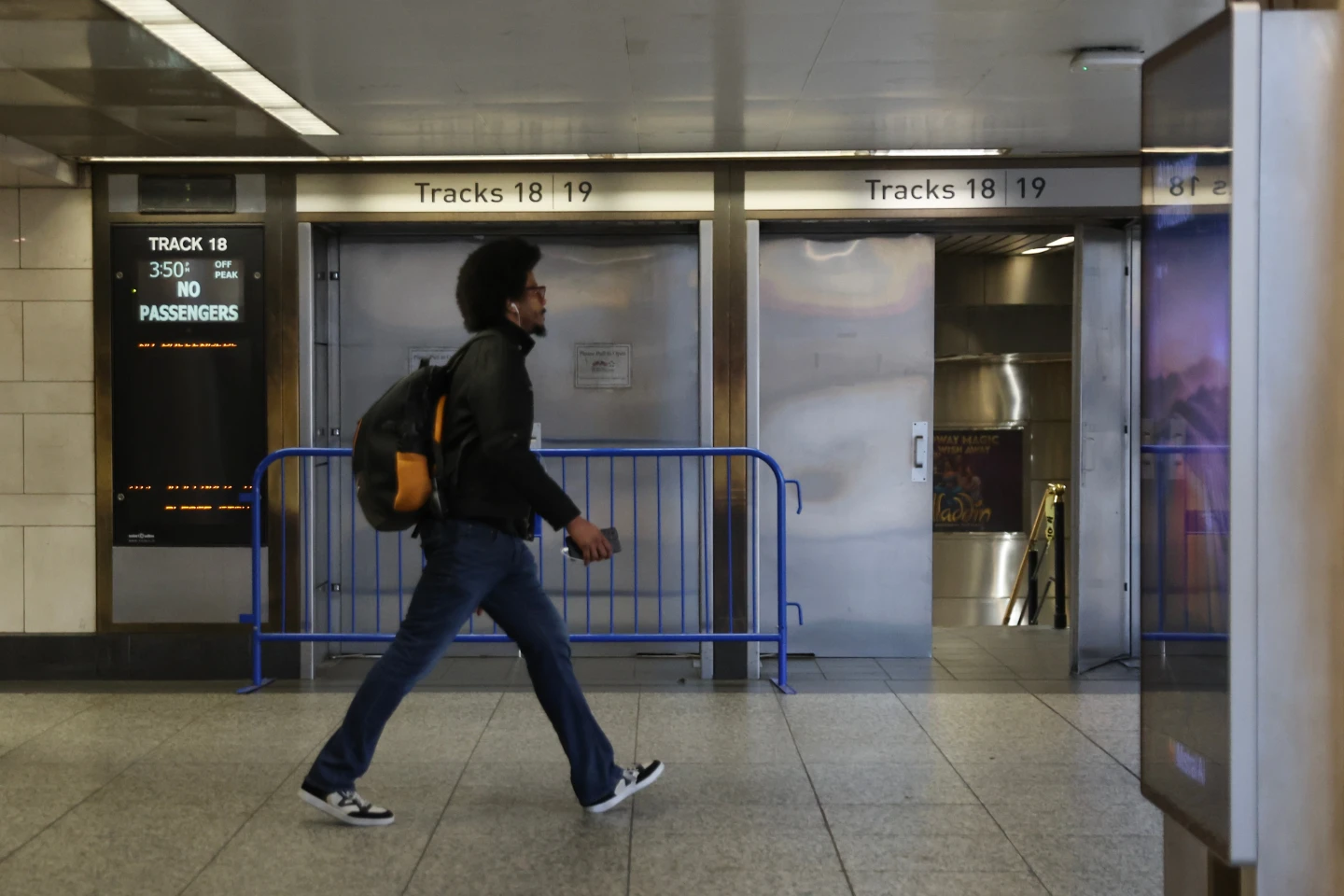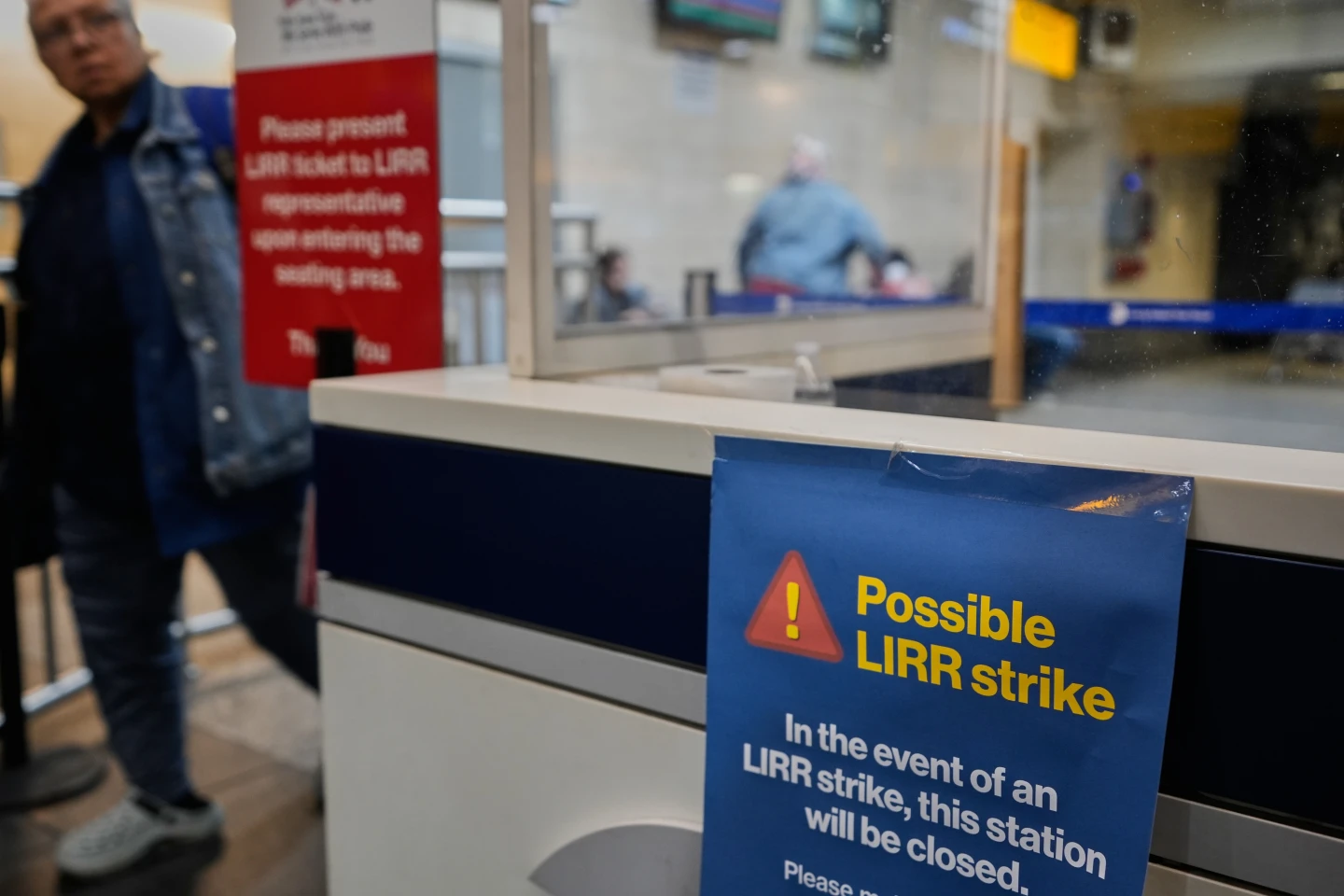
NEW YORK (AP) — Workers on New York’s Long Island Rail Road are on strike, union officials said early Saturday, paralyzing the busiest commuter rail system in North America.
Labor unions representing about half the system’s workers announced the walkout after negotiations with the Metropolitan Transportation Authority ended Friday without a new contract. The five unions, which represent about half the system’s 7,000 workers, including locomotive engineers, machinists, and signalmen, weren’t legally allowed to go on strike until 12:01 a.m. Saturday.
Kevin Sexton, National Vice President of the Brotherhood of Locomotive Engineers and Trainmen, stated that no new negotiations have been scheduled, emphasizing that both parties are still far apart. “We are truly sorry that we are in this situation,” he said.
In response, MTA Chairman Janno Lieber expressed discontent, suggesting that the MTA had already met the union's demands regarding pay, and accused some union leaders of not negotiating in good faith.
The strike forces approximately 250,000 daily riders who rely on the LIRR to find alternative transportation into New York City, leading to increased traffic congestion and longer commutes.
Susanne Alberto, a personal trainer affected by the strike, conveyed concerns about the impact on her clients in Manhattan. Similarly, commuter Rob Udle voiced frustration over potential delays, predicting a “nightmare” situation.
Governor Kathy Hochul has recommended that commuters work from home and criticized union leadership, indicating that unnecessary dysfunction is affecting workers as well.
The conflict centers on wage increases and health care premiums, with union demands reportedly totaling a 16% raise over four years to keep pace with inflation, while the MTA fears these demands would necessitate fare increases.
Previous intervention attempts by the federal government failed to produce an agreement, resulting in this ongoing strike.
Historically, the LIRR workers last engaged in a strike in 1994. Current issues mirror challenges faced in the past by other commuter services, highlighting the ongoing struggle between labor needs and management policies in New York's transport sector.