In brief
A pending New York state ban on potassium bromate—a chemical in bromated flour—threatens to overhaul the city's pizza and bagel landscape. With 80% of shops using the additive for decades, pizzerias like Lo Duca Pizza are experimenting with costly alternatives, while historians call it 'an earth-shaking event' for New York slices. The ban, mirroring regulations in the EU and California, follows health concerns linking the substance to cancer. Though a one-year grace period is included, businesses warn of quality changes and higher costs. Meanwhile, Florida pizzeria owners joke that 'pizza in Florida is officially better than pizza in New York,' reflecting the national debate over food chemistry.
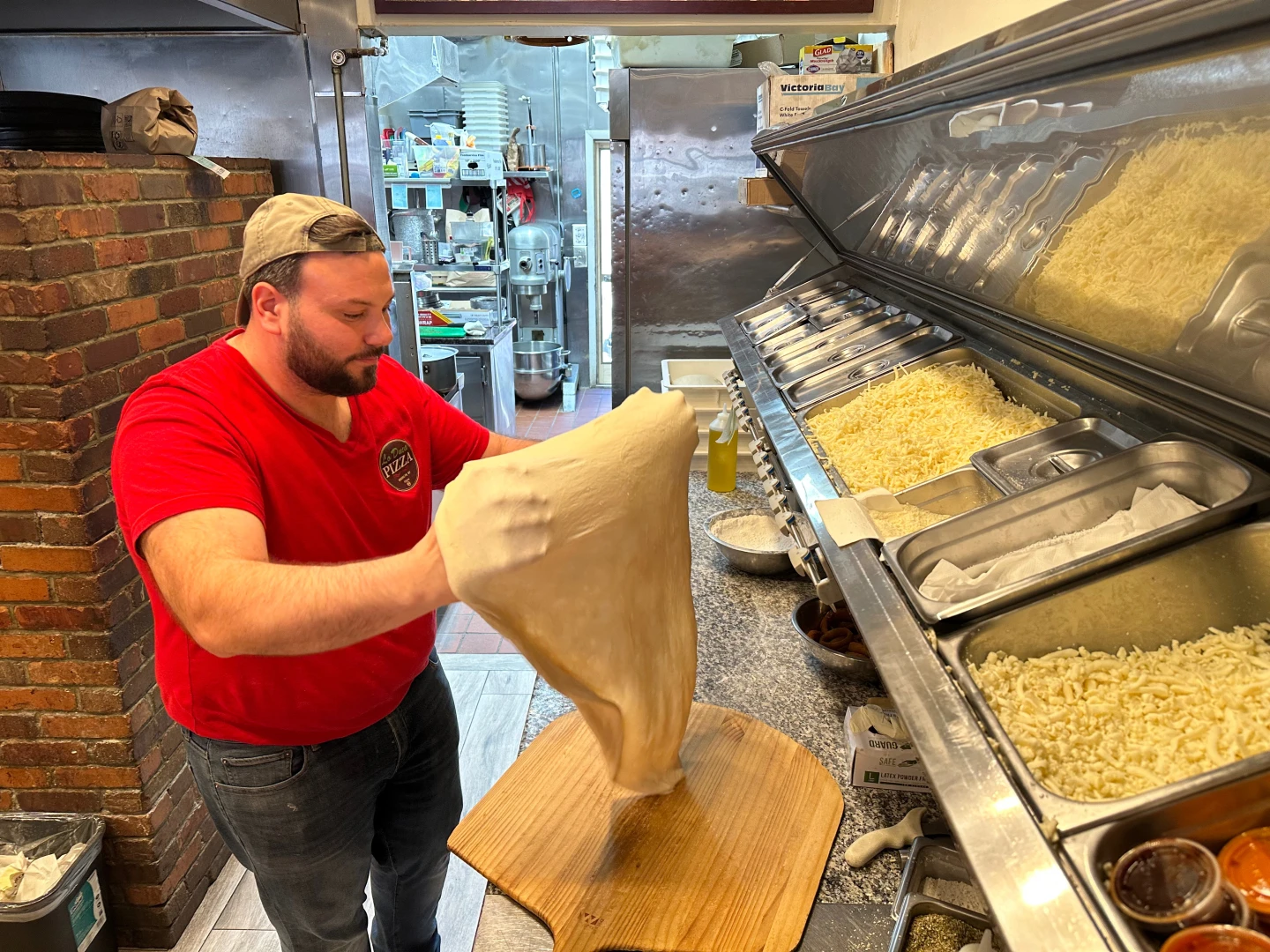
NEW YORK—After nearly a decade of kneading dough in Brooklyn’s family-run pizzeria, Salvatore Lo Duca made a chilling discovery: the bromated flour he’s used for thin-crust pies contained potassium bromate, a chemical suspected of causing cancer and already banned in most of the world. The revelation forced a reluctant pivot—the 39-year-old entrepreneur began testing alternatives, discovering a 'more expensive but higher quality' flour that has reshaped his recipes. 'It’s part of the identity of the slice,' says pizza historian Scott Wiener, calling the pending ban 'an earth-shaking event for New York pizza.'The legislation, passed by state lawmakers and awaiting Governor Kathy Hochul’s signature, targets potassium bromate—a chemical additive that’s been a cornerstone of New York’s dough since the city’s first pizza parlors opened a century ago. Wiener estimates 80% of the city’s pizza and bagel shops rely on the substance to achieve the signature chewy texture and structure. 'Without it, you lose the height and springiness,' warns Jesse Spellman, owner of Utopia Bagels. He’s already tweaking yeast concentrations and fermentation times to compensate, though the process costs more and takes longer.The ban has sparked industry-wide anxiety. General Mills’ iconic All Trumps flour—the standard for decades—contains the additive, but the company now sells unbromated versions. 'It’s going to take some time to get a product we’re happy with,' Spellman admits. Meanwhile, pizza historian Wiener argues the shift could ultimately improve quality: 'Without fast-dough shortcuts, you’ll get better-fermented doughs. It’ll lead to lighter pizzas that are easier to eat and less stomach-churning.'Health concerns are driving the change. Potassium bromate has been linked to cancer in animal studies since the 1980s, and the EU, China, India, Canada, and California already prohibit it. Erik Millstone, a science policy professor, calls it 'nothing good'—'Most well-informed people would prioritize a long healthy life over a slightly softer bun.' Yet the ban faces resistance from dough makers worried about lost texture and higher costs. 'It’s a lot more work and expensive,' Spellman laments.The bill includes a one-year grace period to use existing stock, but businesses are scrambling. Some newer, artisanal shops already use unbromated flour, but neighborhood slice shops remain reliant on the chemical. Meanwhile, the debate has crossed state lines. Florida pizzeria owner Mario Mangilia initially mocked New York’s dough: 'Pizza in Florida is officially better than pizza in New York.' But after facing backlash over health concerns, he reversed his stance: 'I’ll test different flour out to check it out.'The transition promises both upheaval and reinvention. As Lo Duca’s kitchen experiments continue, New York’s iconic slices face an uncertain future—one where the chemical shortcut might vanish, and a new era of dough begins.}