In brief
During the latest rental rip-off hearing in the Bronx, tenants shared alarming stories about poor living conditions and neglected repairs in their properties. Mayor Zohran Mamdani aims to hold landlords accountable, yet the complexities of LLC ownership may hinder efforts to address these housing crises. Many residents feel helpless in their struggles against neglectful landlords, emphasizing the urgent need for reform.
NEW YORK (RTW) — On a recent weeknight, three tenants from an aging Bronx building shared their experiences of rental horror stories inside a packed ballroom with city officials.
The occasion marked the latest in a series of rental rip-off hearings, initiated by New York Mayor Zohran Mamdani, allowing disgruntled renters to voice their complaints directly to housing officials — and sometimes to the mayor himself.
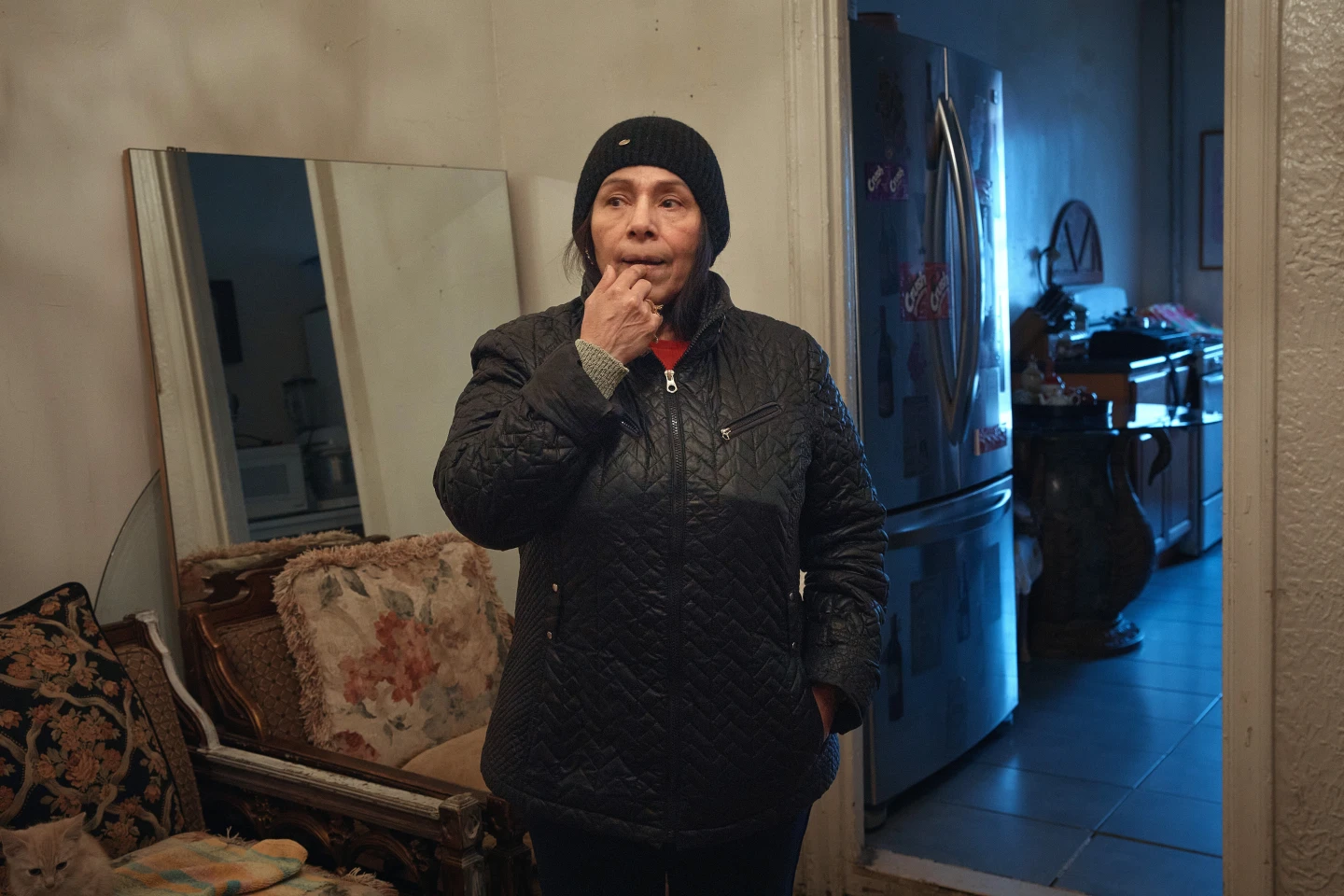
While waiting in line, Gulhayo Yuldosheva expressed concerns that mold in her apartment had aggravated her child's asthma. Nearby, her neighbor Marina Quiroz showed a video of rats in her kitchen to a city representative.
Resident Ann Maitin shared her comprehensive list of grievances with the mayor, stating, He let me go over my three minutes. Mamdani, a democratic socialist, emphasized that the testimonies would help guide the city's efforts to ensure landlords comply with the law.
The residents of 705 Gerard Avenue face a common challenge: uncertainty about their building's ownership. You’d think we’d have the right to that information, sighed Maitin, who heads the building’s tenant association.
As corporate landlords obscure their identities behind LLCs, the tenants find it increasingly difficult to hold negligent parties accountable. Experts caution that this could hamper Mamdani’s crackdown on poor landlord practices.
We have slumlords everyone recognizes, but pinpointing them is tricky due to LLCs, remarked Oksana Mironova, a housing policy analyst.
For Yuldosheva and her neighbors, their building, riddled with issues such as usual heat and water outages, has become a stark reflection of neglect. One tenant even resorted to self-extermination measures against rodents.
A recent housing policy meeting revealed the owner behind the building's management, possibly linked to fire and safety violations throughout the Bronx. However, attempts to address the degrading living conditions face resistance and complicated legal troubles.
Despite Mamdani’s proposals to fine and seize properties from negligent landlords, some property owners have pushed back, claiming that policies rather than mismanagement are to blame for deteriorating conditions across the board.
The tenant hearings resemble both a plea for support and a push for future solutions but leave many residents uncertain whether these measures will result in lasting change. One resident noted the prompt maintenance after the hearing, suggesting management felt the pressure of public accountability.
While challenges remain, the desire for a more accountable landlord scenario grows stronger among tenants desperate for a better living environment.