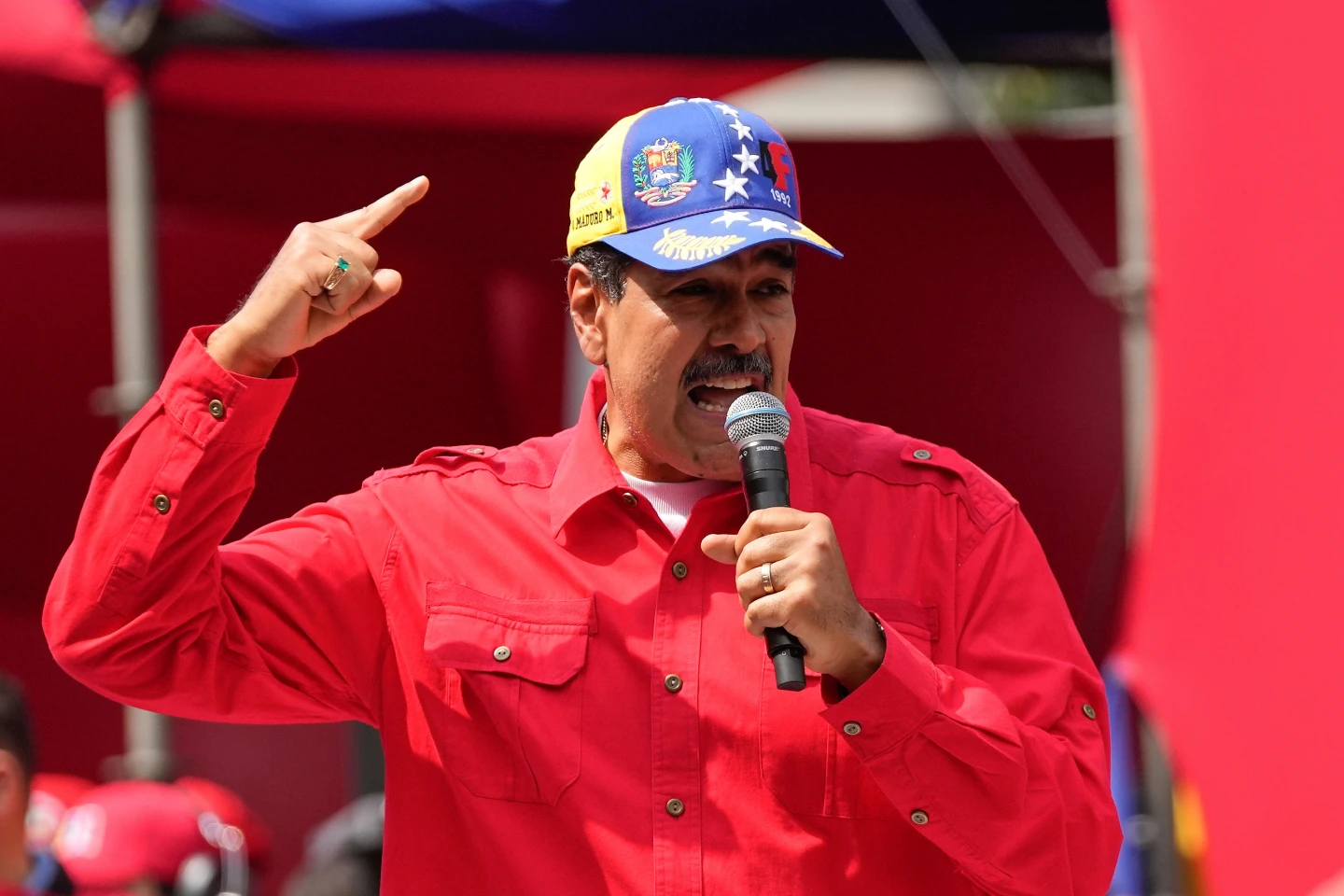
Nicolás Maduro, the former president of Venezuela, returned to a New York courtroom on Thursday in his efforts to dismiss his drug trafficking indictment. His lawyers argue that the U.S. is infringing on his constitutional rights by preventing Venezuelan government funds from being used to cover legal expenses. According to his attorney, the U.S. Treasury Department's Office of Foreign Assets Control allegedly reversed its decision allowing such payments within hours without explanation.
Maduro and his wife, Cilia Flores, have not sought bail and continue to be detained in a Brooklyn facility. During the hearing, they aim to challenge the legal framework of their indictment that accuses them of running a drug trafficking operation.
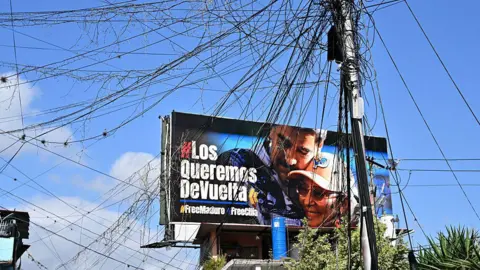
Initially arraigned in January, both individuals declared their innocence, with Maduro asserting, 'I am not guilty. I am a decent man, the constitutional president of my country.' As the couple faces significant legal challenges, support remains for them in Venezuela, evidenced by murals and messages calling for their return.
However, Maduro's once-unassailable position in the Venezuelan government has been compromised, as new leaders have emerged in the ruling party. Delcy Rodríguez, currently acting as president, has made significant changes, replacing key figures in Maduro's administration and establishing a new strategy, particularly in re-styling the government's public messaging.
Despite a thawing of relations with the U.S., which has seen sanctions on Venezuela's oil sector eased, the former president's legal troubles loom large. The indictment against him suggests severe charges, including possible life imprisonment if convicted, raising questions about Maduro's future and that of his administration amid Venezuela’s enduring economic crisis.
Maduro and his wife, Cilia Flores, have not sought bail and continue to be detained in a Brooklyn facility. During the hearing, they aim to challenge the legal framework of their indictment that accuses them of running a drug trafficking operation.
Initially arraigned in January, both individuals declared their innocence, with Maduro asserting, 'I am not guilty. I am a decent man, the constitutional president of my country.' As the couple faces significant legal challenges, support remains for them in Venezuela, evidenced by murals and messages calling for their return.
However, Maduro's once-unassailable position in the Venezuelan government has been compromised, as new leaders have emerged in the ruling party. Delcy Rodríguez, currently acting as president, has made significant changes, replacing key figures in Maduro's administration and establishing a new strategy, particularly in re-styling the government's public messaging.
Despite a thawing of relations with the U.S., which has seen sanctions on Venezuela's oil sector eased, the former president's legal troubles loom large. The indictment against him suggests severe charges, including possible life imprisonment if convicted, raising questions about Maduro's future and that of his administration amid Venezuela’s enduring economic crisis.