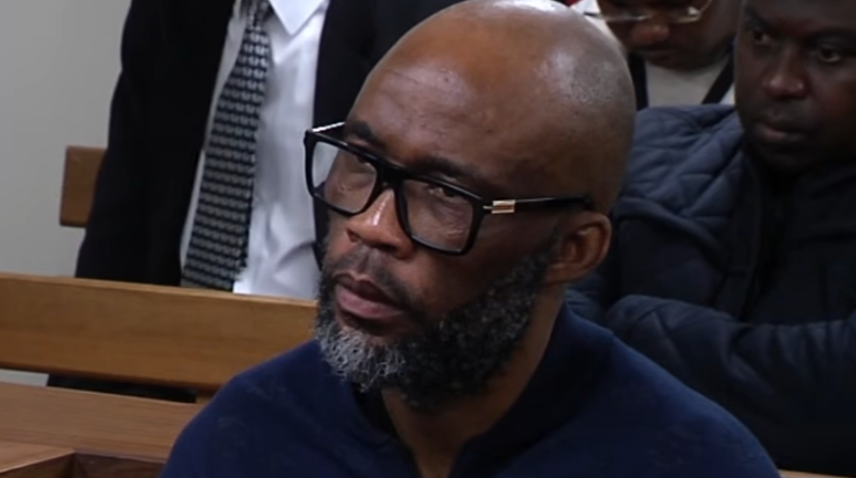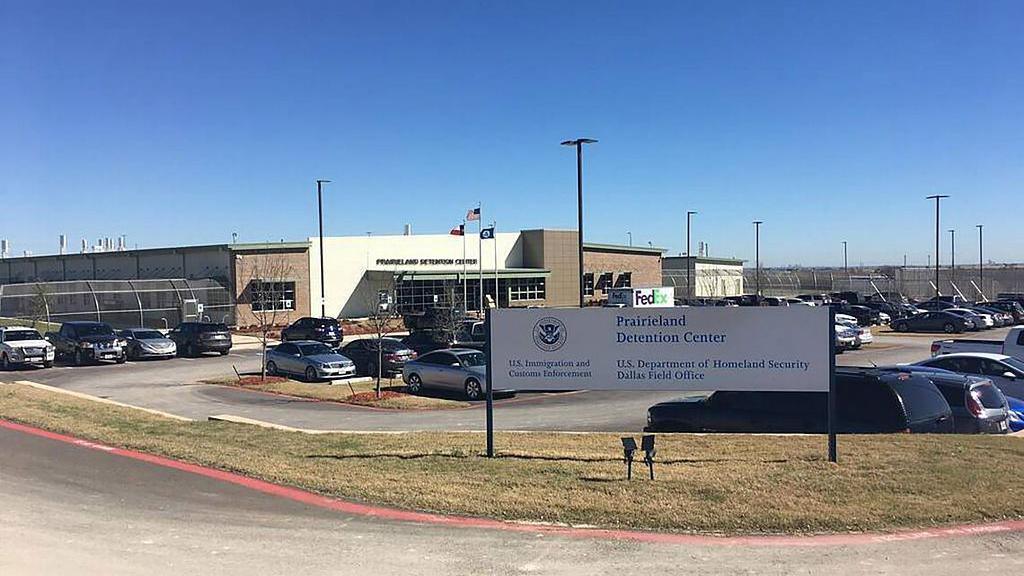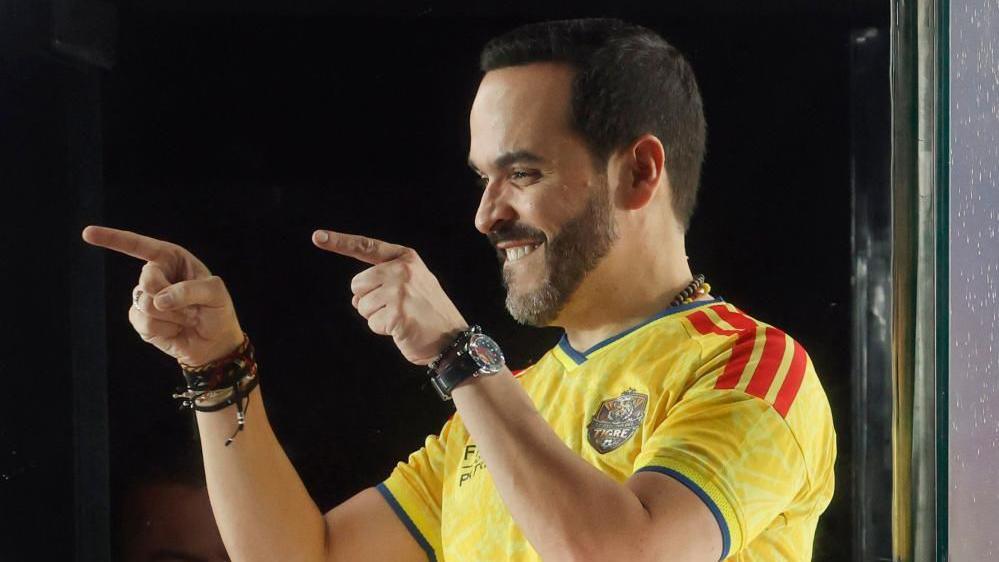
MIAMI (AP) — Andres Zapata, a longtime informant for the DEA, dodged a prison sentence this week after admitting he failed to pay taxes on nearly $4 million he had pocketed from his undercover job. Zapata received this sentence of time served in Austin, Texas, after agreeing to assist in a decade-long investigation that has linked various agents to misconduct, as reported by sources who spoke to the Associated Press on the condition of anonymity.
Zapata, now 48, was brought back to the U.S. last year from Colombia, where he had closely worked with former DEA agent José Irizarry, currently serving a lengthy prison term for siphoning millions from drug enforcement operations to fund extravagant lifestyles and parties.
Court records indicate that the DEA compensated Zapata, identified as a professional money launderer, with $3.8 million from 2015 to 2020 for his role as a confidential informant. He pleaded guilty in July to failing to report this income on his tax returns. While informants are expected to report such earnings to the IRS, prosecutions for noncompliance are uncommon.
Defense attorney Don Bailey contended that it is atypical for prosecutors to go after informants like Zapata, who risked their lives working with U.S. law enforcement against violent cartels, for a crime he may not have even realized he was committing.
Zapata refrained from making statements through his lawyer. He expressed to the federal judge his readiness to move forward in life, having faced over a year in a harsh Colombian prison awaiting extradition. According to the transcript from his hearing, he stated, “I’ve learned my lesson.”
U.S. District Judge David Ezra praised Zapata's cooperation with authorities during the proceeding. Despite his release, he ordered Zapata to pay $1.2 million in restitution to reflect the tax losses incurred by the government.
Zapata's journey with the DEA began in 1998. For over two decades, he became one of their most productive informants, facilitating covert operations spanning from Peru to Los Angeles, amassing over $4.6 million in the process.
Notably, Zapata's contributions weren’t limited to providing tips; he accompanied agents on numerous excursions, leading to reported misconduct during their assignments. Internal records reveal he aided agents in violating protocols designed to separate them from informants, engaging in activities that included hiring prostitutes while traveling for DEA business.
Zapata also allegedly participated in a corrupt relationship with Irizarry, who reported receiving a portion of Zapata's earnings for his personal expenses. A recent investigation linked Zapata to a bribery case involving one-time informant Diego Marin, accentuating the ongoing scrutiny surrounding DEA practices.
Zapata, now 48, was brought back to the U.S. last year from Colombia, where he had closely worked with former DEA agent José Irizarry, currently serving a lengthy prison term for siphoning millions from drug enforcement operations to fund extravagant lifestyles and parties.
Court records indicate that the DEA compensated Zapata, identified as a professional money launderer, with $3.8 million from 2015 to 2020 for his role as a confidential informant. He pleaded guilty in July to failing to report this income on his tax returns. While informants are expected to report such earnings to the IRS, prosecutions for noncompliance are uncommon.
Defense attorney Don Bailey contended that it is atypical for prosecutors to go after informants like Zapata, who risked their lives working with U.S. law enforcement against violent cartels, for a crime he may not have even realized he was committing.
Zapata refrained from making statements through his lawyer. He expressed to the federal judge his readiness to move forward in life, having faced over a year in a harsh Colombian prison awaiting extradition. According to the transcript from his hearing, he stated, “I’ve learned my lesson.”
U.S. District Judge David Ezra praised Zapata's cooperation with authorities during the proceeding. Despite his release, he ordered Zapata to pay $1.2 million in restitution to reflect the tax losses incurred by the government.
Zapata's journey with the DEA began in 1998. For over two decades, he became one of their most productive informants, facilitating covert operations spanning from Peru to Los Angeles, amassing over $4.6 million in the process.
Notably, Zapata's contributions weren’t limited to providing tips; he accompanied agents on numerous excursions, leading to reported misconduct during their assignments. Internal records reveal he aided agents in violating protocols designed to separate them from informants, engaging in activities that included hiring prostitutes while traveling for DEA business.
Zapata also allegedly participated in a corrupt relationship with Irizarry, who reported receiving a portion of Zapata's earnings for his personal expenses. A recent investigation linked Zapata to a bribery case involving one-time informant Diego Marin, accentuating the ongoing scrutiny surrounding DEA practices.