
In brief
As President Trump escalates his enforcement efforts by deploying the National Guard to various U.S. cities, legal challenges arise in Tennessee and West Virginia. In Nashville, officials argue that the deployment in Memphis lacks proper legislative approval, while a similar lawsuit in West Virginia questions the authority of Governor Morrisey's actions to send Guard members to Washington, D.C. Both cases reflect growing tensions over the use of military forces in domestic affairs amidst claims of decreasing violent crime.
Courts in Tennessee and West Virginia will hear arguments regarding the legality of deploying National Guard troops amid ongoing national unrest. In Memphis, Tennessee, the local court is addressing challenges against the deployment initiated by Governor Bill Lee, who has ordered troops to patrol the streets following President Trump’s directive.
The central argument posits that such actions require authorization from state lawmakers, as they are unprecedented without clear threats of rebellion or invasion. Since their deployment on September 29, National Guard members have been visible in various neighborhoods and commercial areas, but they reportedly lack arrest powers.
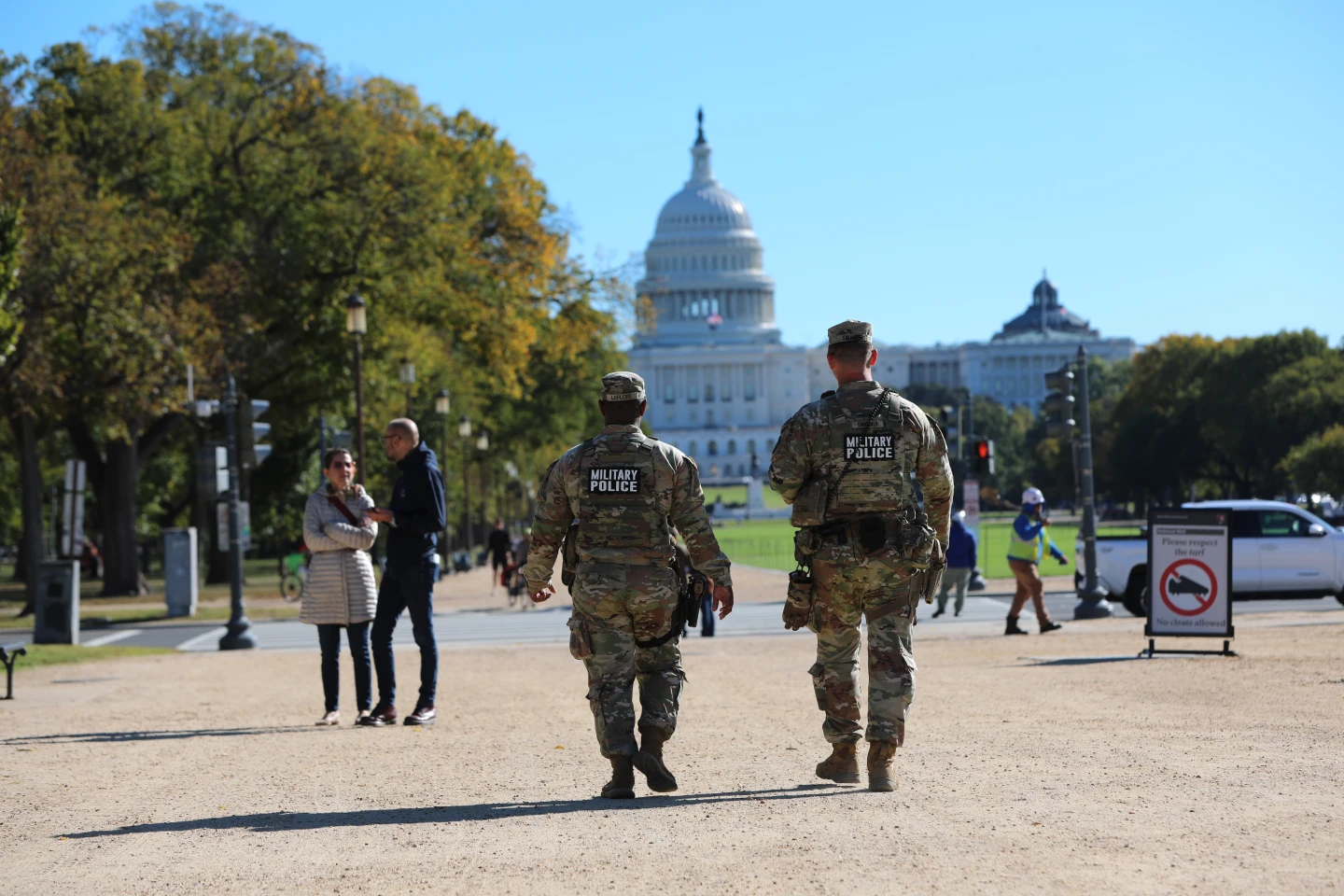
Meanwhile, in West Virginia, similar concerns are raised over Governor Patrick Morrisey's decision to send up to 300 Guard members to Washington, D.C. A civic organization argues that his actions exceed state law, which governs the circumstances under which guardsmen can be deployed outside of state border emergencies.
Officials from both regions highlight contrasting views on the initiatives. Proponents argue these measures are critical for supporting local law enforcement, while opponents decry them as overreach. The broader implications of these cases could set precedents on the balance of state and federal powers regarding military deployments within domestic realms.

