In brief
A severe winter storm has left over 79,000 residents in Tennessee and Mississippi without electricity for nearly a week, coinciding with plummeting temperatures threatening those exposed to the frigid conditions. State officials are mobilizing National Guard troops to provide aid. Medical experts warn that prolonged exposure to the cold increases the danger of hypothermia, particularly for vulnerable populations. Reports indicate significant fatalities related to exposure and carbon monoxide due to improper heating sources.
BELZONI, Miss. (AP) — With another wave of dangerous cold heading for the U.S. South on Friday, experts say the risk of hypothermia heightens for people in parts of Mississippi and Tennessee who are entering their sixth day trapped at home without power in subfreezing temperatures.
“The longer you’re exposed to the cold, the worse it is,” said Dr. Hans House, a professor of emergency medicine at the University of Iowa. “The body can handle cold temperatures briefly, but prolonged exposure is a problem.”
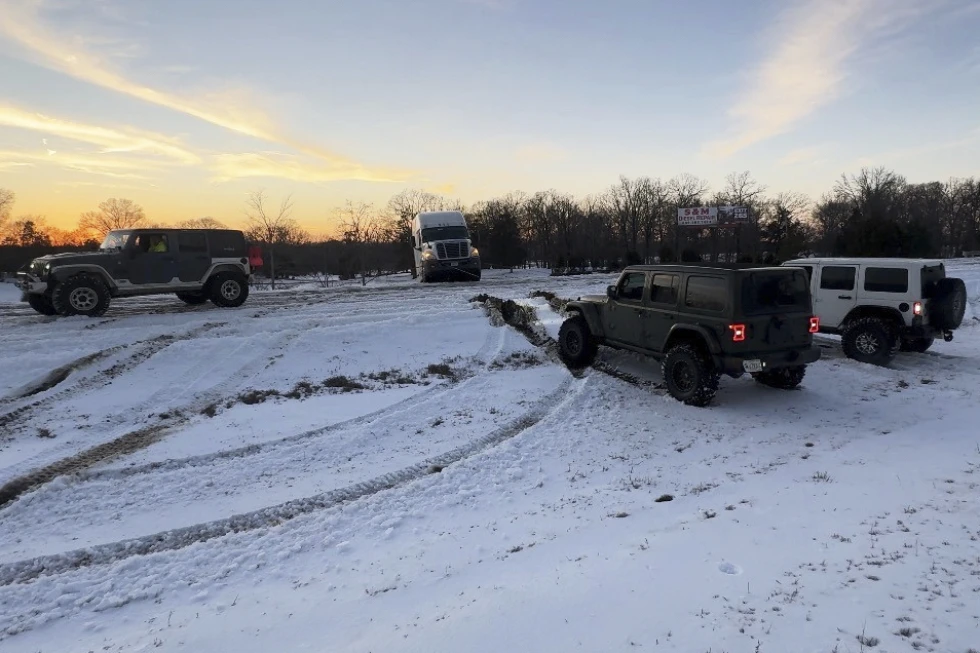
The National Weather Service reported arctic air moving into the Southeast is expected to cause already frigid conditions to worsen, with temperatures dropping into the teens (minus 10 degrees Celsius). In Nashville alone, over 79,000 homes and businesses remain without power after a massive storm dumped snow and ice across the eastern U.S.
The prolonged exposure to these conditions is particularly dangerous for the elderly, infants, and those with underlying health issues, with symptoms of hypothermia potentially appearing within hours, explained Dr. Zheng Ben Ma, medical director at the University of Washington Medical Center.
“Once you get into days six, seven, upwards of 10, then even a healthy, resilient person will be more predisposed to experiencing some of those deleterious effects of the cold temperature,” he added.
State National Guard troops are mobilizing in Mississippi and Tennessee to help clear debris and offer assistance. Mississippi Governor Tate Reeves indicated the troops are delivering meals, blankets, and other essential supplies, with over 600 units of warming supplies already provided in Tennessee.
Nashville Mayor Freddie O’Connell highlighted the utilities’ commitment as they work to restore power to residents, emphasizing that the number of employees involved is unprecedented.
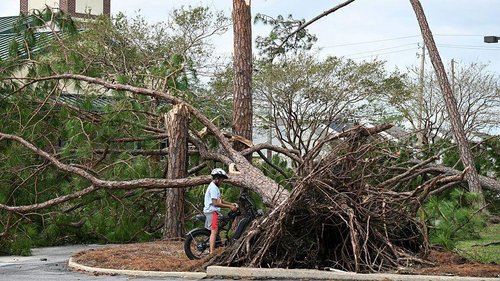
However, the timeline for fully restoring power remains uncertain, especially in rural areas. Tragically, reports indicate at least 85 individuals have died in storm-affected areas, with many of these fatalities occurring due to hypothermia or carbon monoxide poisoning from improperly used heating equipment.
Dr. Abhi Mehrotra, an emergency physician, warned of the dangers of carbon monoxide emissions from generators and heating sources used indoors.
Latest data shows that over 230,000 homes and businesses, mainly in Mississippi and Tennessee, were still without electricity as of Thursday evening. Mississippi officials reported that the state is experiencing the worst winter storm since 1994.
As weather forecasts predict the harsh conditions will continue into February, residents are advised to remain vigilant, with potential heavy snow expected this weekend across the Carolinas and parts of Virginia.