In brief
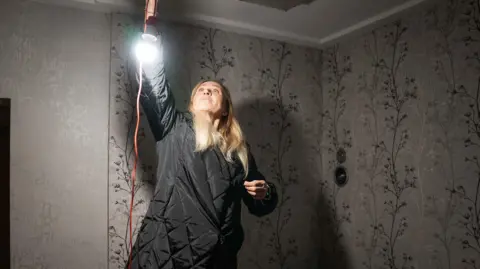
Ukrainians, including Dnipro resident Yulia Hailunas, brace for plunging temperatures expected to reach -20C, struggling with inadequate heating after repeated attacks on the power grid. Despite a declared energy truce by Russian President Vladimir Putin, residents express skepticism about its sincerity and worry about potential catastrophic damage to heating infrastructure.
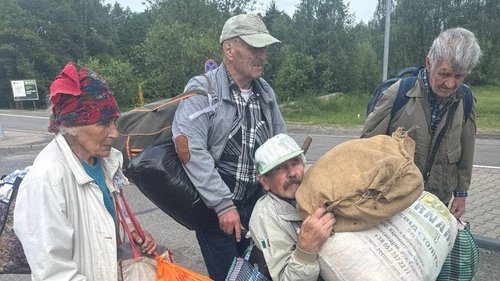
As Ukraine faces severe winter conditions, residents like Yulia Hailunas in Dnipro are confronting the harsh reality of living without central heating due to recent Russian attacks on the power grid. In preparation for temperatures predicted to drop below -20C, Yulia dons a quilted coat and hat inside her icy apartment while employing makeshift methods to keep warm, including sitting on a hot water-filled saucepan.With similar conditions expected throughout the country, concerns mount over potential catastrophic damage to heating infrastructure as pipes could burst due to the extreme cold. Despite Russian President Putin's recent announcement of a temporary energy truce during this chilly snap, many Ukrainians remain skeptical about the effectiveness and intentions behind this pause, suspecting that it might not lead to any lasting relief or halt in hostilities.On January 30, Trump announced Vladimir Putin's agreement to halt strikes on major cities, a claim that drew mixed reactions. Residents in Dnipro and across Ukraine remain wary, recalling how previous truces have offered little assurance of safety or stability.While reports indicate a quieter period in airstrikes, residents like Yulia express doubt, fearing that attacks may resume at any moment. Further complicating the situation, ongoing fighting in eastern regions continues to force families to abandon their homes, seeking refuge amid the cold and danger. With engineers tirelessly working to restore essential services, the hope for a more stable energy supply hangs in the balance, and trust in Russian negotiations remains low among the beleaguered population.