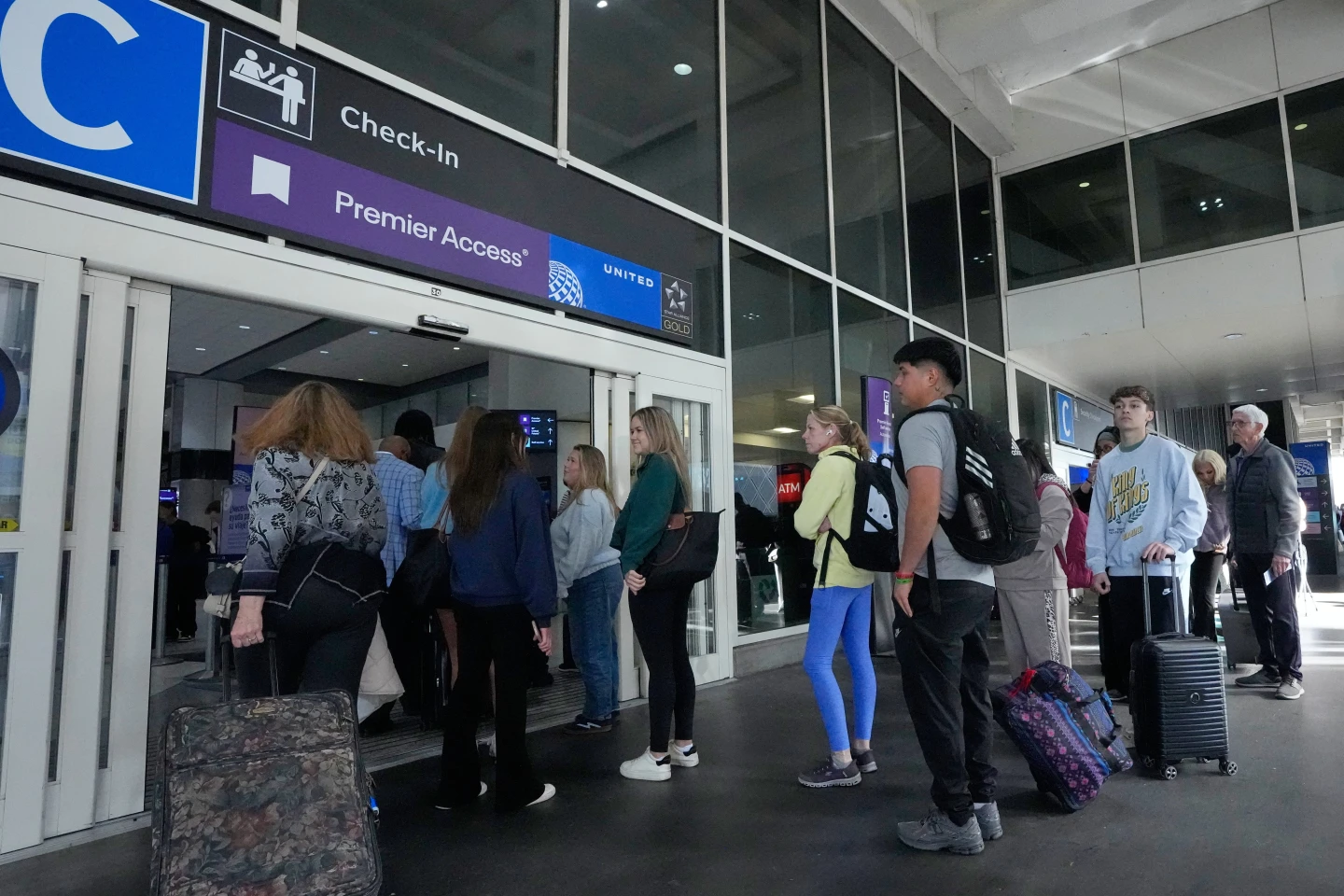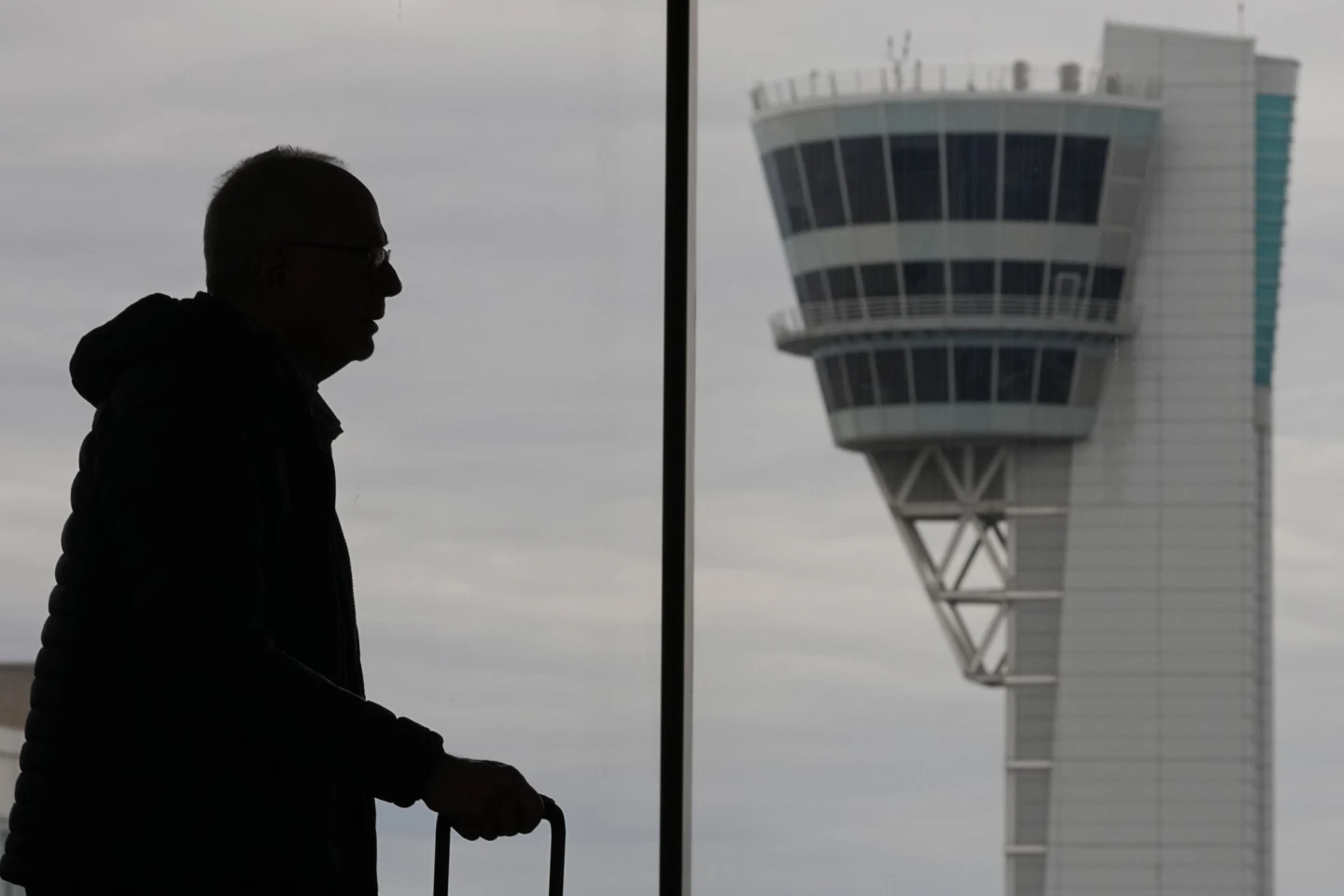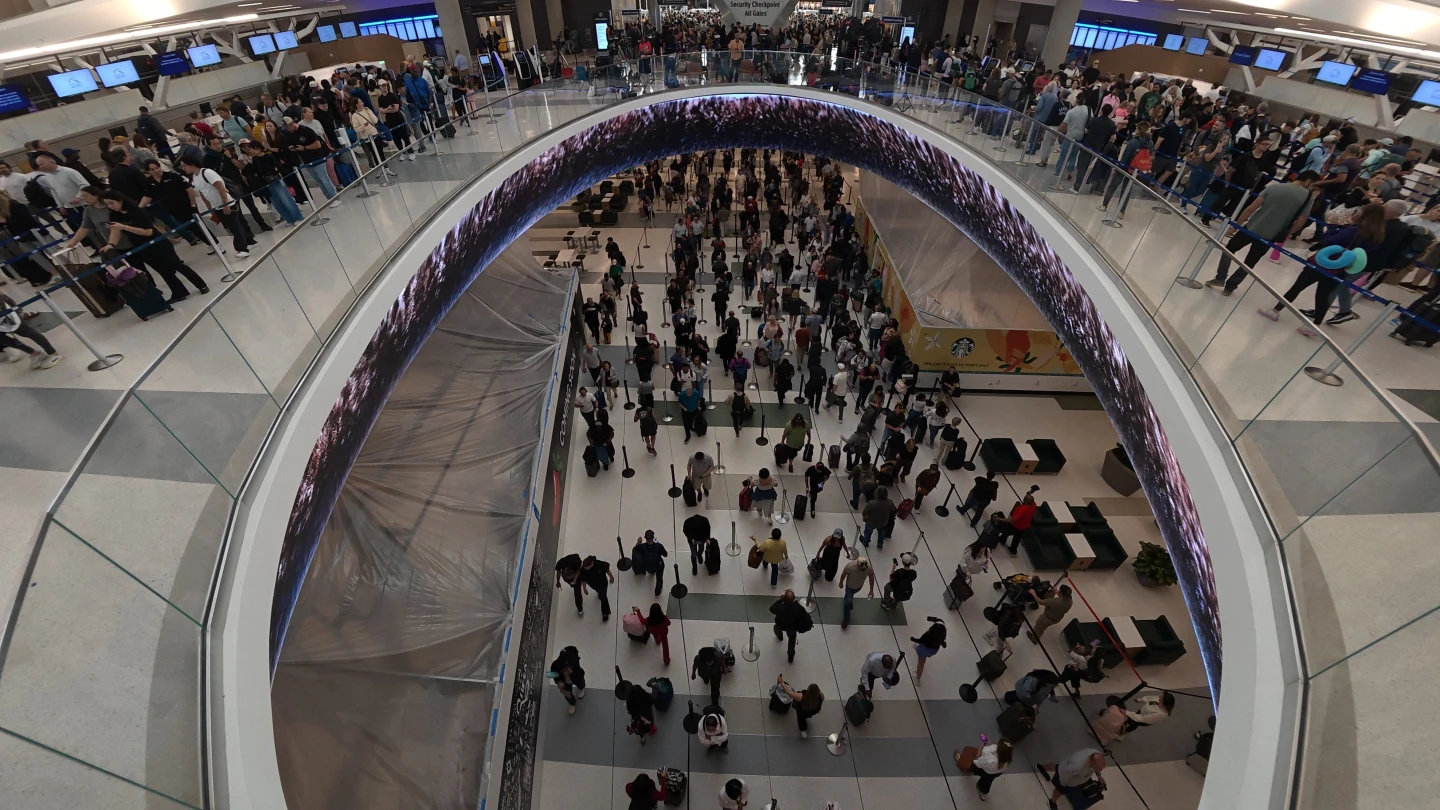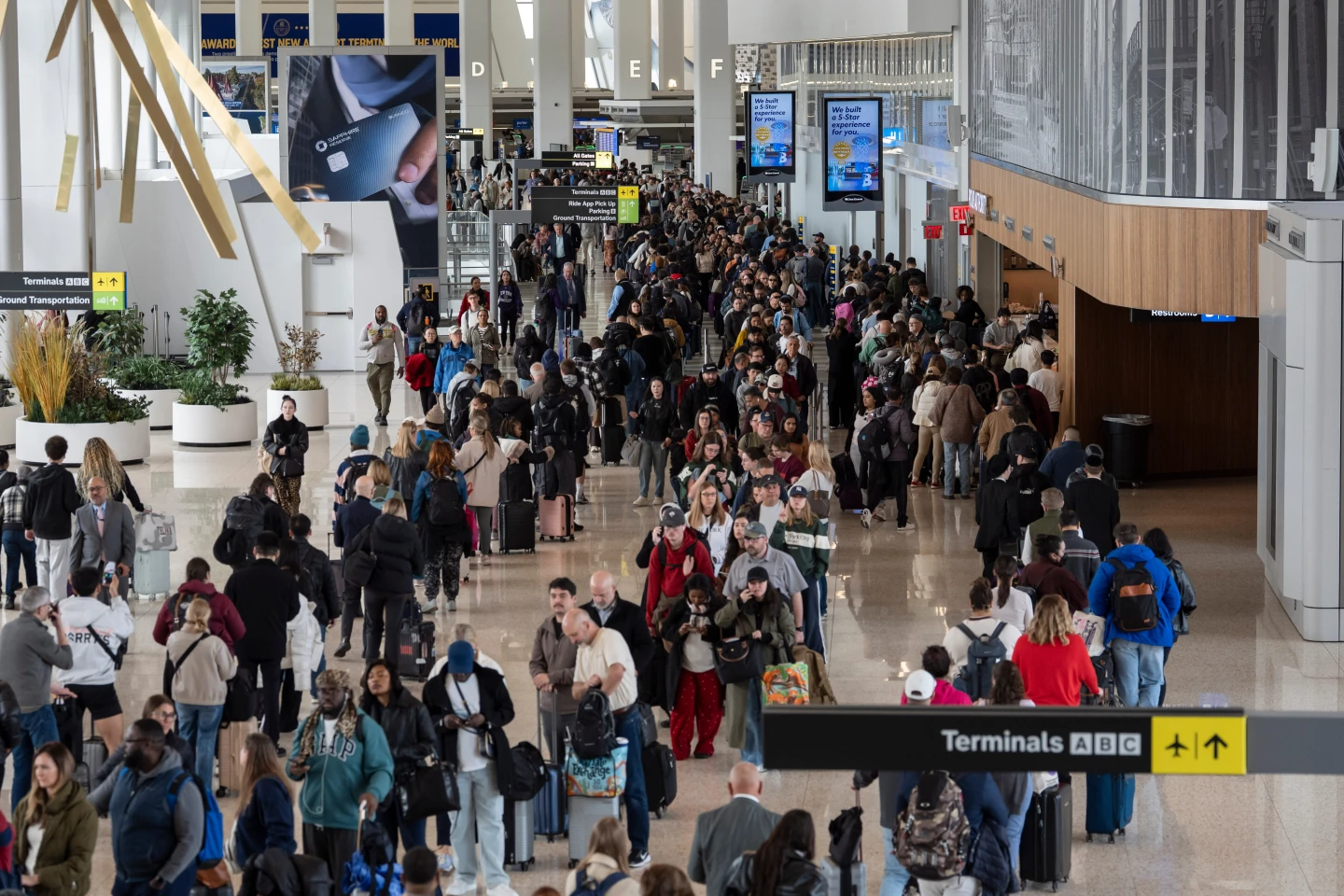
NASHVILLE, Tenn. (AP) — A massive winter storm made for a brutal travel day Sunday, with widespread cancellations and delays at some of the nation’s busiest airports.
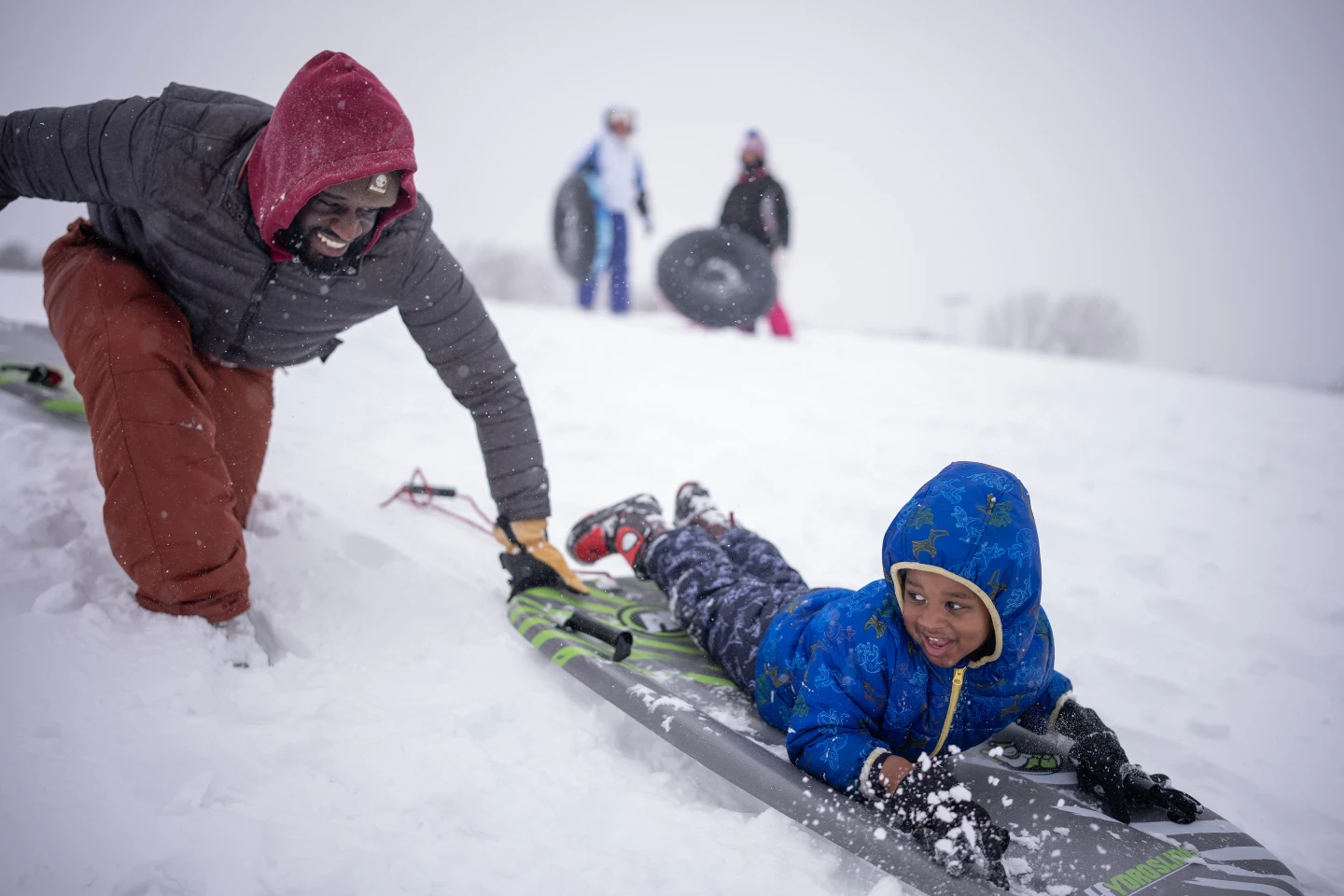
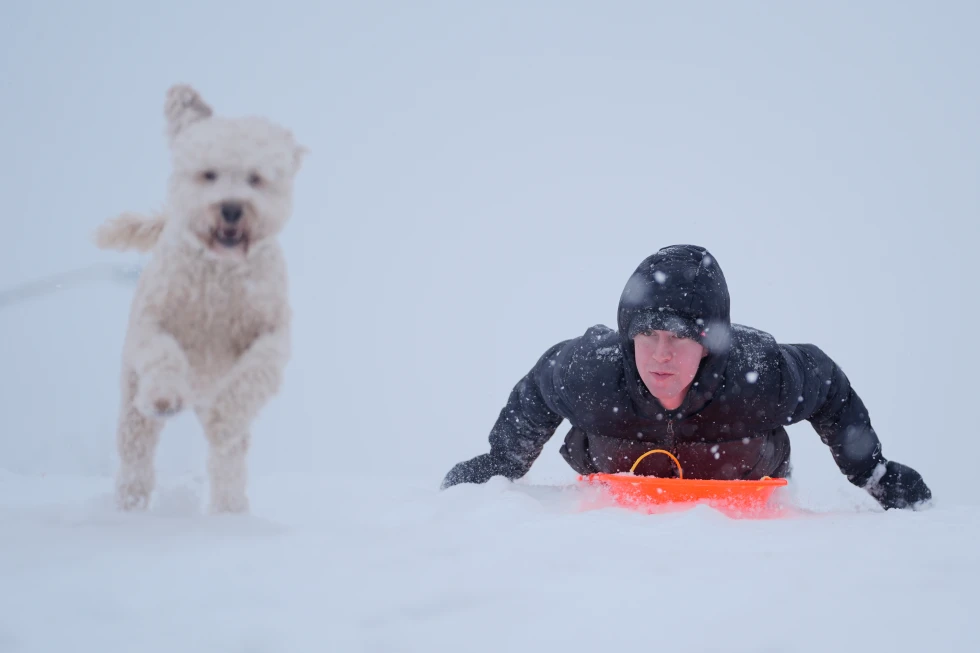
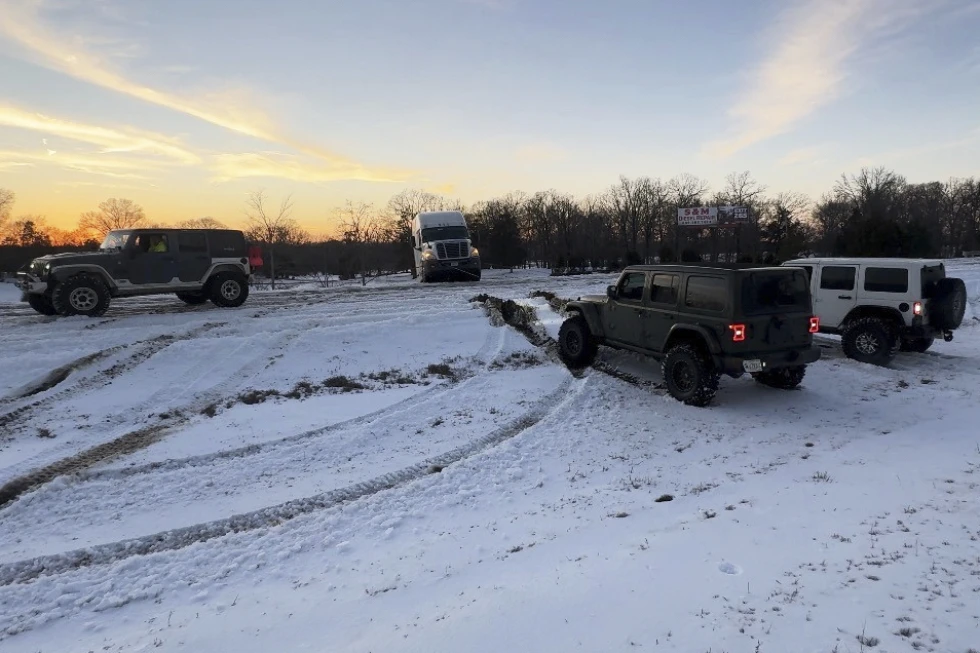
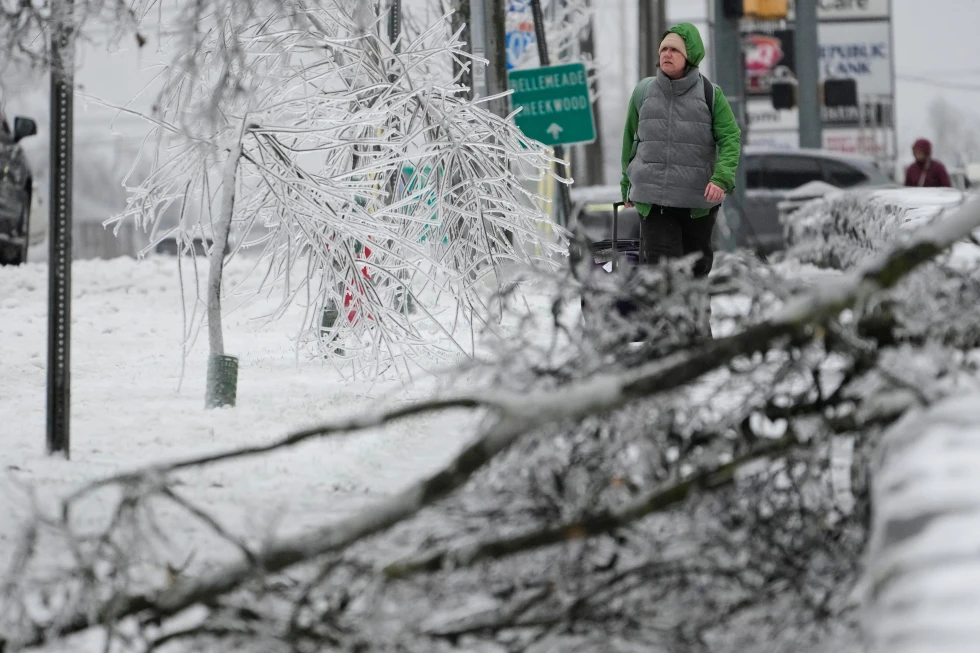
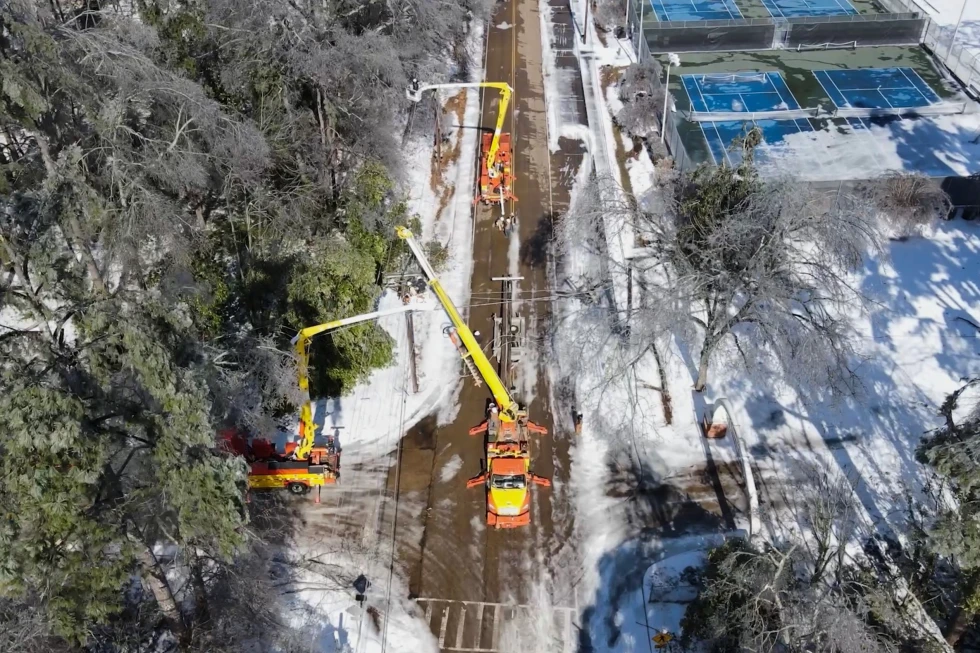
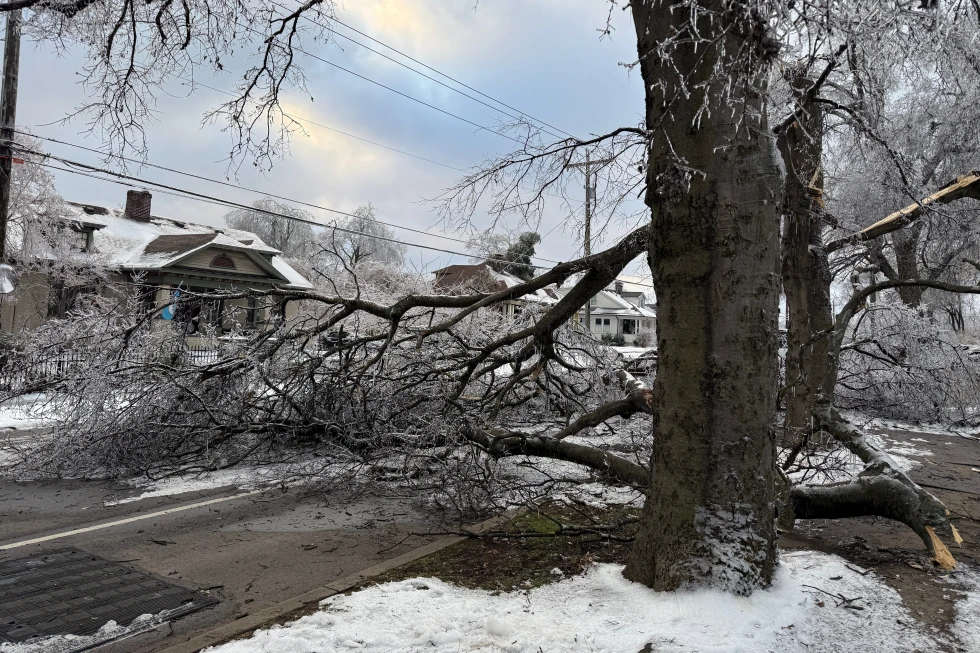
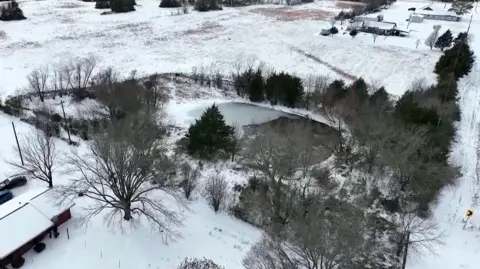
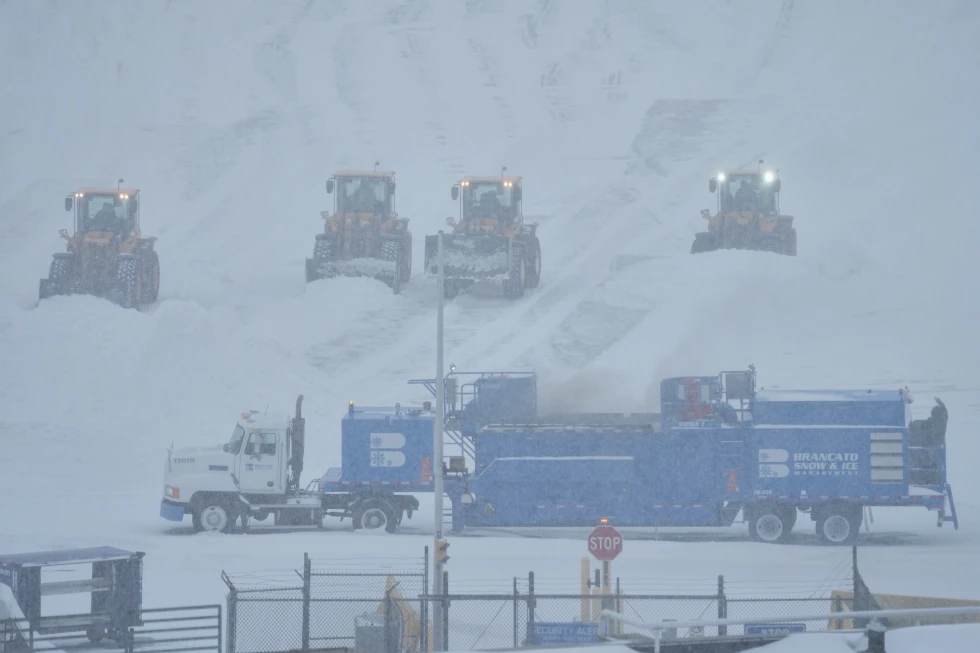
The storm, characterized by widespread snow, sleet, and freezing rain, threatened nearly 180 million people across a swath from the southern Rocky Mountains to New England. As the storm progressed, it dumped about 1 to 2 feet (30 to 60 centimeters) of snow from Washington through New York and Boston.
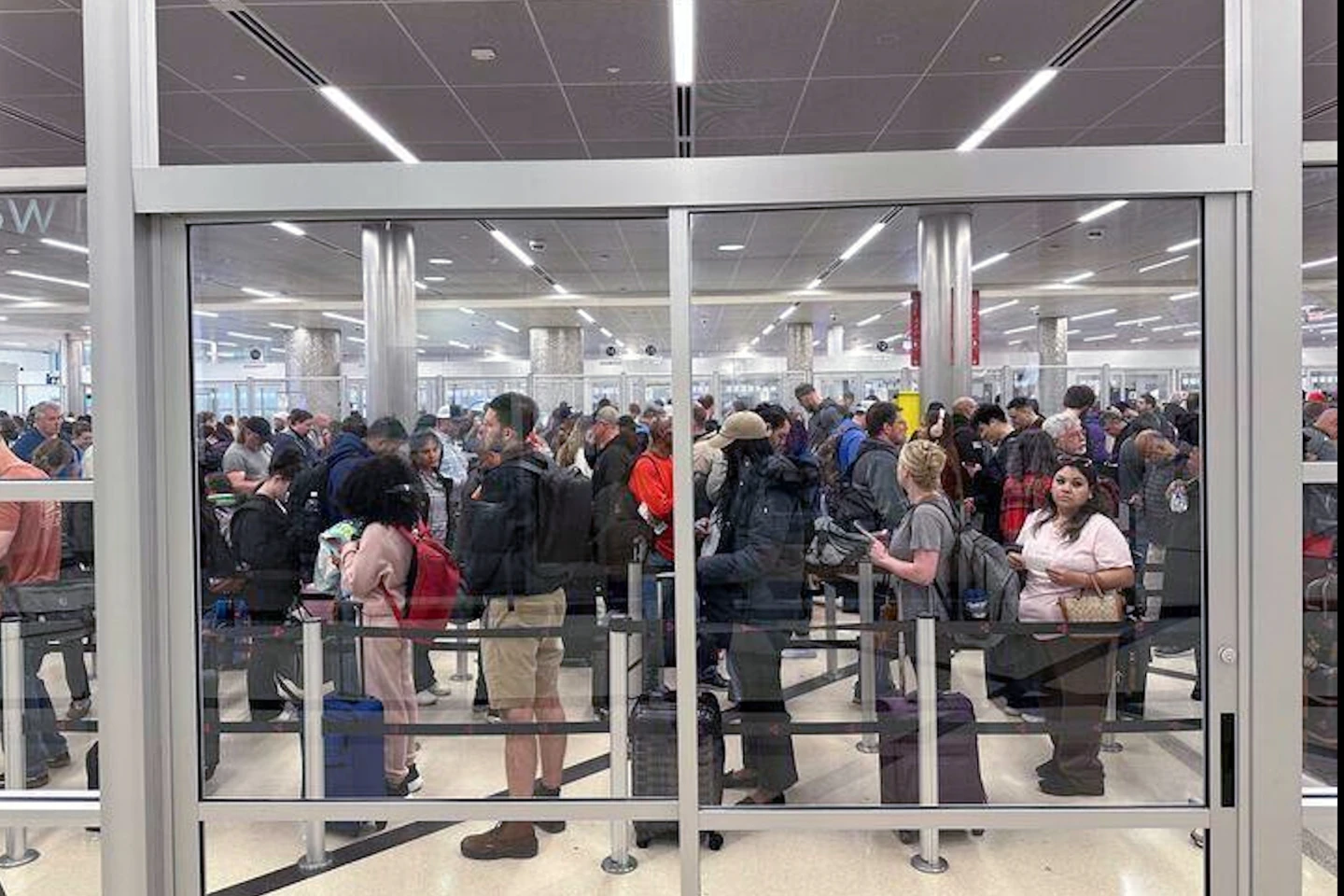
According to flight-tracking site FlightAware, more than 11,400 flights were canceled on Sunday, marking the highest level of cancellations since the pandemic began. Major airports, particularly in the Northeast, saw a majority of their flights grounded. LaGuardia Airport in New York announced the closure of its operations until 8 p.m. due to the adverse weather conditions. Philadelphia International also faced immense impact with 94% of its flights being canceled.
Specific numbers indicated that 436 flights were canceled at LaGuardia (about 91%), while JFK saw around 80% cancellations. Ronald Reagan Washington National Airport reported 421 canceled departures.
Allan Lengel, who was set to return to Michigan from Fort Lauderdale on Monday, opted to stay until Wednesday following Delta's weather advisement. He expressed no disappointment, referencing the frigid Michigan weather he anticipated returning to.
American Airlines alone canceled over 1,790 flights (about 55% of its schedule), while Delta recorded over 1,470 cancellations. Southwest Airlines and United Airlines followed suit with approximately 1,340 and 1,016 cancellations, respectively. Boston Logan International and other major hubs reported similar disruptions, affecting travel plans across the nation.
Experts indicate recovery from these storm-related disruptions could take days, warning that cascading delays might affect travelers even in areas not directly hit by the storm.
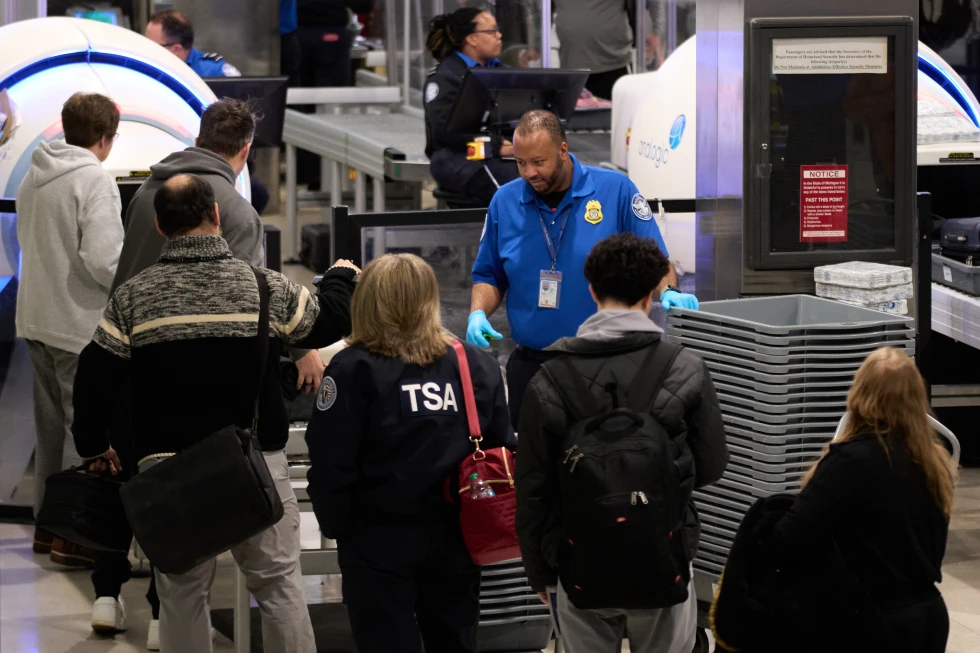
For passengers, the best course of action in case of cancellations involves speaking to airline representatives for alternative arrangements. Airlines are legally required to refund canceled flights, even those with non-refundable tickets. As recovery efforts unfold, travelers are advised to monitor their airlines closely.
The storm, characterized by widespread snow, sleet, and freezing rain, threatened nearly 180 million people across a swath from the southern Rocky Mountains to New England. As the storm progressed, it dumped about 1 to 2 feet (30 to 60 centimeters) of snow from Washington through New York and Boston.
According to flight-tracking site FlightAware, more than 11,400 flights were canceled on Sunday, marking the highest level of cancellations since the pandemic began. Major airports, particularly in the Northeast, saw a majority of their flights grounded. LaGuardia Airport in New York announced the closure of its operations until 8 p.m. due to the adverse weather conditions. Philadelphia International also faced immense impact with 94% of its flights being canceled.
Specific numbers indicated that 436 flights were canceled at LaGuardia (about 91%), while JFK saw around 80% cancellations. Ronald Reagan Washington National Airport reported 421 canceled departures.
Allan Lengel, who was set to return to Michigan from Fort Lauderdale on Monday, opted to stay until Wednesday following Delta's weather advisement. He expressed no disappointment, referencing the frigid Michigan weather he anticipated returning to.
American Airlines alone canceled over 1,790 flights (about 55% of its schedule), while Delta recorded over 1,470 cancellations. Southwest Airlines and United Airlines followed suit with approximately 1,340 and 1,016 cancellations, respectively. Boston Logan International and other major hubs reported similar disruptions, affecting travel plans across the nation.
Experts indicate recovery from these storm-related disruptions could take days, warning that cascading delays might affect travelers even in areas not directly hit by the storm.
For passengers, the best course of action in case of cancellations involves speaking to airline representatives for alternative arrangements. Airlines are legally required to refund canceled flights, even those with non-refundable tickets. As recovery efforts unfold, travelers are advised to monitor their airlines closely.