RALEIGH, N.C. — North Carolina Republican lawmakers are gearing up to interrogate Charlotte local leaders about crime-fighting efforts and their financial implications, especially in light of two violent stabbings on the city’s light rail system, one of which was fatal.
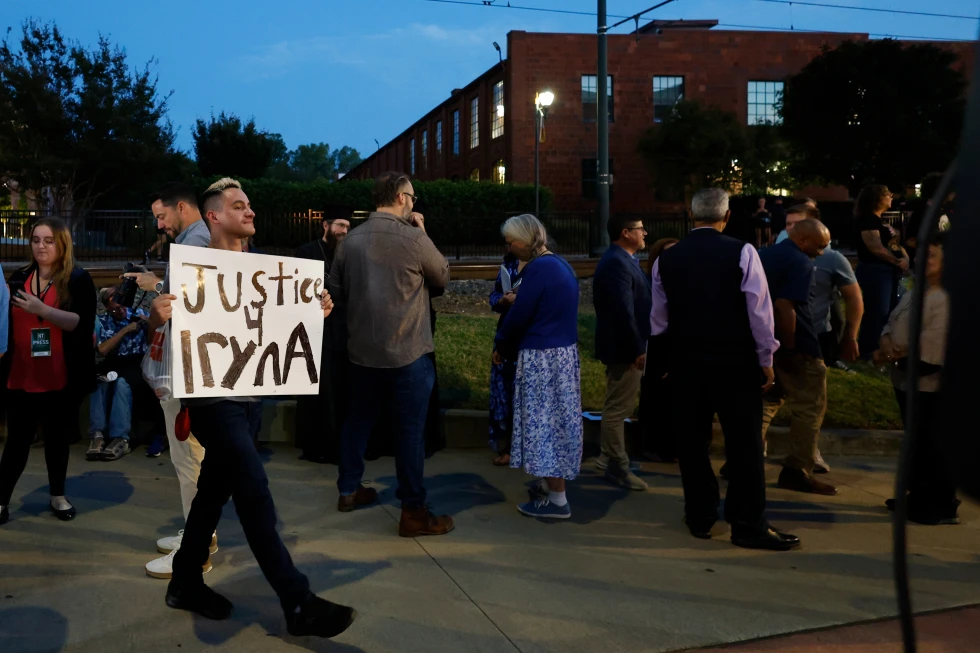
Charlotte’s Mayor Vi Lyles, along with high-ranking police and sheriff officials, has been summoned to testify at a legislative committee session. The stabbings, one resulting in the death of Ukrainian refugee Iryna Zarutska and the other being non-fatal, have sparked intense scrutiny and criticism from GOP lawmakers who argue that effective law enforcement is not being prioritized.
The oversight committee's leaders expressed that high-profile crimes raise significant concerns about public safety strategies, law enforcement staff levels, and prosecutorial methods in Charlotte. Their goal is to ensure that local entities receiving state funds focus on the safety of North Carolina residents.
The recent incidents have drawn political attention, with accusations being directed at local leaders for their perceived failure to maintain public safety standards. This scrutiny comes alongside calls for more comprehensive safety measures on the light rail system.
Additionally, there have been legislative efforts resulting from Zarutska's death, including new laws that place restrictions on bail for certain violent offenders and emphasize mental health evaluations for defendants. The criminal background of DeCarlos Brown Jr., the suspect in Zarutska’s case, has further fueled the argument against softer criminal justice policies.
In light of these events, Republican narratives have also targeted Charlotte Democratic leaders, claiming that lenient crime policies have contributed to these incidents. The committee meeting will also try to address ongoing debates regarding immigration enforcement amid new legislative changes.
With public safety dominating discussions, the outcome of these hearings could have significant implications for how local law enforcement is structured and funded in North Carolina.