In brief
Keir Starmer's visit to China marks the first by a British prime minister in eight years, signaling potential shifts in UK-China relations amid concerns over security and economic cooperation. With opportunities for new deals and models of diplomatic engagement, the visit could reflect a broader trend of international leaders engaging Beijing despite lingering geopolitical tensions.
Beijing is not always the most welcoming place in winter.
Frigid air blows in from the north, blast-freezing the city's lakes and rivers and only the hardiest souls would dare to plunge into the icy water.
And yet, in the last two months, leaders from around the world have accepted invitations to the Chinese capital. There's been a flurry of visits from France, South Korea, Ireland, Canada, and Finland. The German Chancellor is due next month.
And now among the western leaders making a beeline for Beijing is Sir Keir Starmer, the first British prime minister to visit China in eight years. He seems to be guaranteed a warm welcome, especially after the UK recently approved plans for a Chinese mega-embassy in London.
Officials in China had already warned their counterparts that they would not announce the prime minister's visit until this issue was resolved. But both sides are now ready to get around the table and for the UK, dozens of new deals are on the line to boost the country's economy.
For China, this is part of a charm offensive in the hope that some will now look at Beijing as a stable, predictable partner - in contrast to the US.
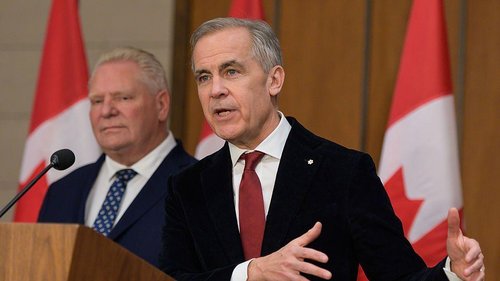
It seemed to work with Mark Carney, the Canadian prime minister, who visited earlier this month. He has blazed a trail for other world leaders by travelling to Beijing and announcing a new strategic partnership with China.
Even before his speech in Davos, Carney told reporters in the Chinese capital that the global order was at a point of rupture. This was a dramatic turnaround for a relationship between two nations that had been in the deep freeze for a decade, and it will be music to President Xi Jinping's ears.
But Starmer has already tried to sidestep this geopolitical landmine, and before he got on the plane, he made it clear he will not choose between the US and China. Some analysts believe that the Chinese will be clear-eyed about their ability to cause a rift in the so-called special relationship between the UK and the US.
This visit comes at a time when many hope for a new golden age in UK-China relations, yet the reality is that it may only lead to a slow diplomatic thaw rather than a full rekindling of their past romance.
In the warmth of a pub in Beijing, where many Chinese have fondly recalled their experiences studying in the UK, there is cautious optimism about Starmer’s diplomatic efforts, but many remain wary about how the changing global landscape will affect prospects for meaningful engagement.
The defining photo from the golden era of UK-China relations is a shot of former Prime Minister David Cameron and President Xi Jinping sharing a pint in 2015, a time characterized by mutual economic interests and diplomatic goodwill.
However, as Starmer embarks on this critical visit, he faces numerous challenges before both nations can fully restore faith in their relationship. The complexities of global trade, security concerns, and emerging geopolitical dynamics remain ever-present as both sides ponder the future.