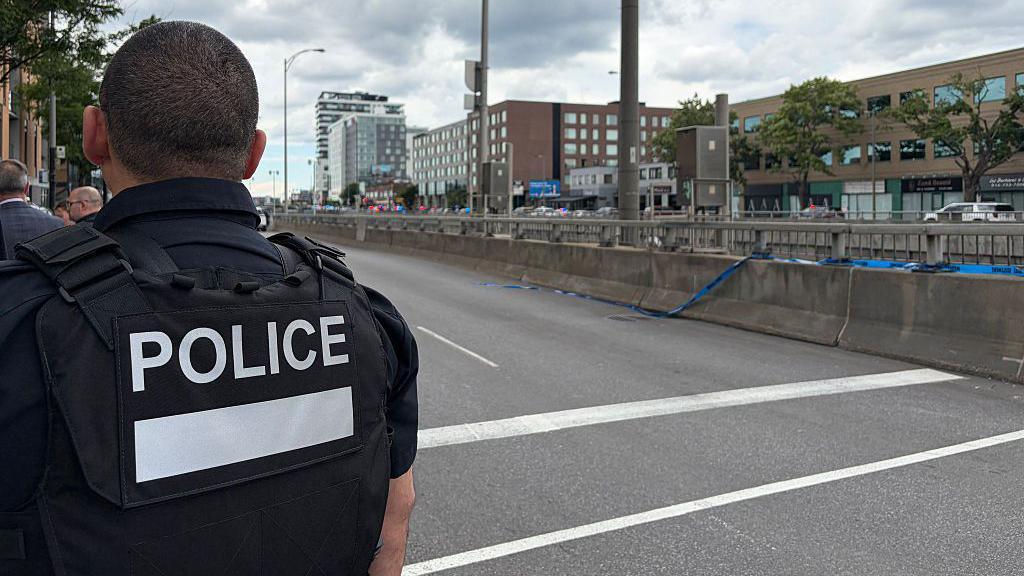
Understanding Canada's Strict Gun Laws Amid Recent Tragedy
A deadly mass shooting at a school in British Columbia has prompted renewed scrutiny of Canada's gun ownership laws, which are already some of the strictest worldwide. The incident, which occurred in Tumbler Ridge and left nine people dead and 25 injured, has reignited discussions about whether further legal reforms are needed to prevent such tragedies in the future.
Canada's gun laws are federally regulated by the Ottawa government, enforcing stricter guidelines than many areas in the United States. Currently, under the Firearms Act, all firearms must be stored locked and unloaded, with potential gun owners subjected to rigorous background checks and required to obtain a license.
Despite having more than 2.2 million licensed firearm owners in the country and an estimated 10 million firearms in circulation as of 2021, mass shooting events remain rare compared to the U.S. However, gun-related deaths account for a higher percentage of homicides in Canada than in countries like England, Wales, and Australia.
The recent shooting adds to a troubling history of mass shootings in Canada, including the 2020 Nova Scotia shooting that resulted in 22 deaths and the 2017 attack at a Quebec City mosque. Following these events, the Canadian government has banned many military-grade assault-style weapons and imposed a national freeze on handgun sales effective 2022.
As the nation processes this latest tragedy, the debate over the effectiveness of current gun laws and whether they should be tightened further continues.