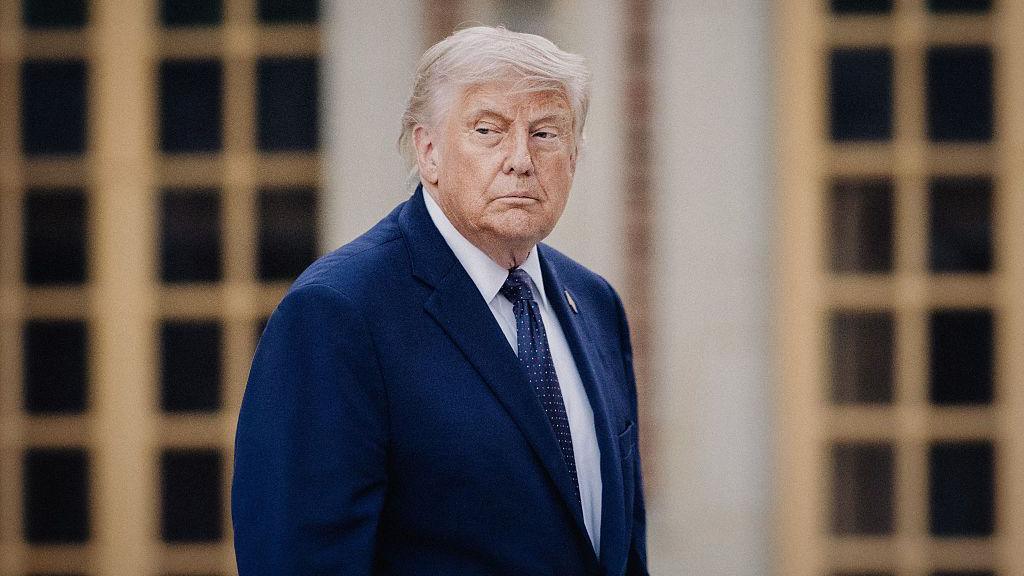
Israeli Prime Minister Benjamin Netanyahu has ordered his government to begin direct talks with Lebanon, he said in a statement on Thursday. Netanyahu stated that the discussions will primarily focus on the disarmament of Hezbollah, the Iran-backed militant group, and the establishment of peaceful relations.
A US State Department official confirmed it would host a meeting next week to discuss ongoing ceasefire negotiations with Israel and Lebanon. Lebanese officials have called for a ceasefire before these talks commence, but Netanyahu, in an address to residents of northern Israel, responded, There is no ceasefire in Lebanon.
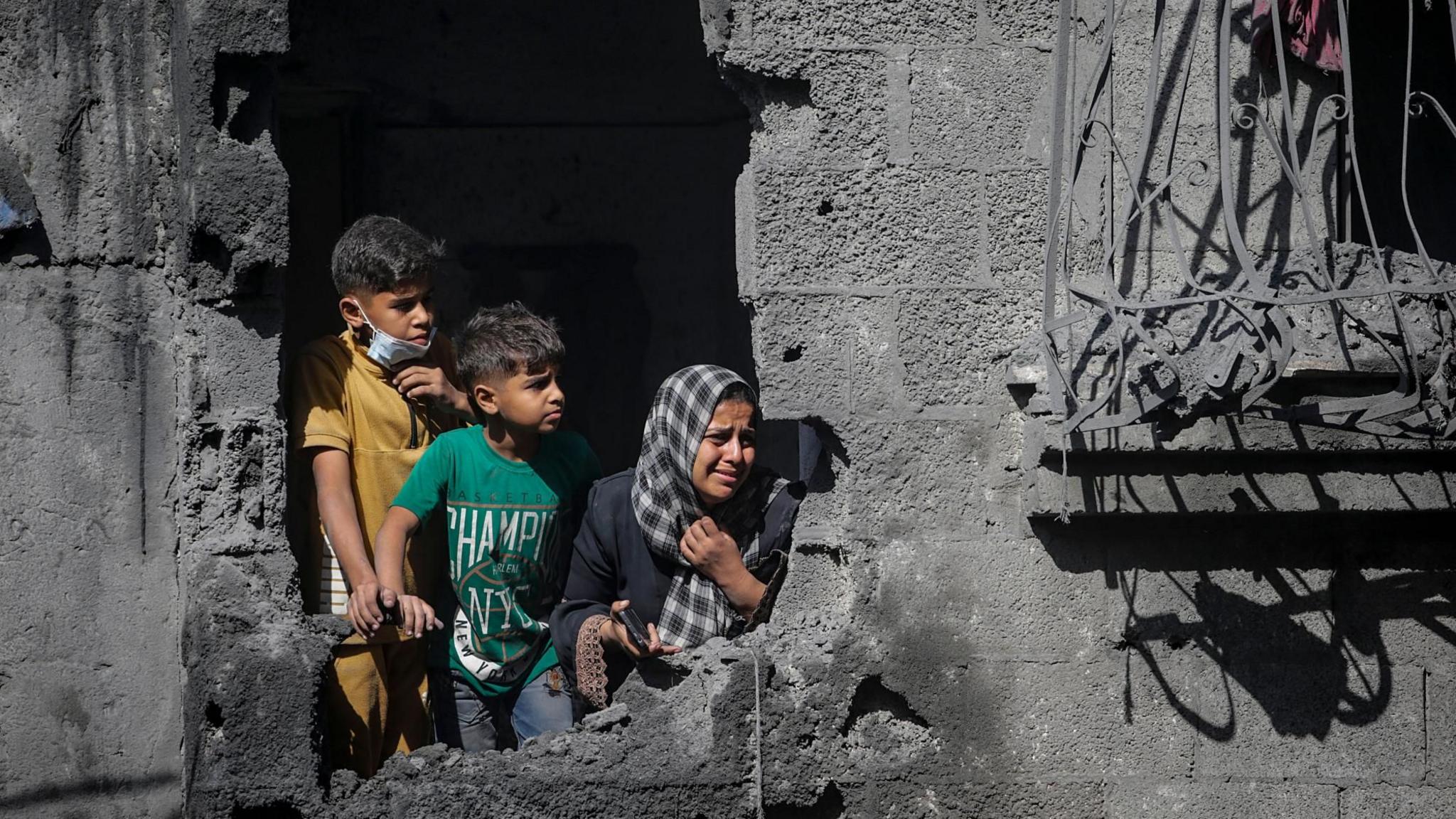
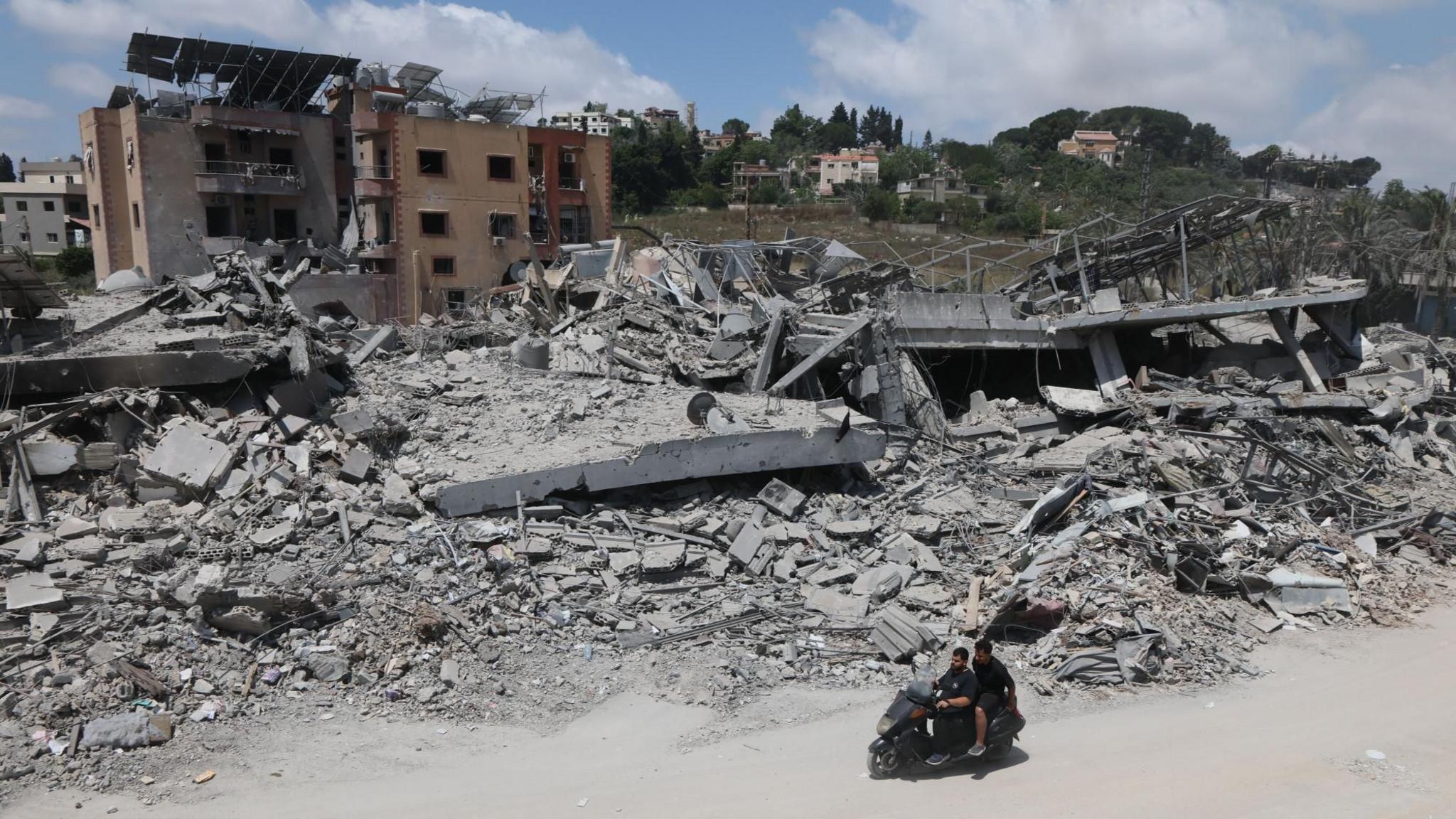
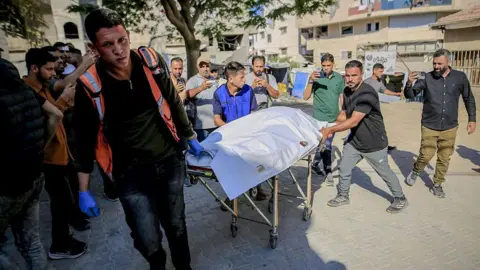
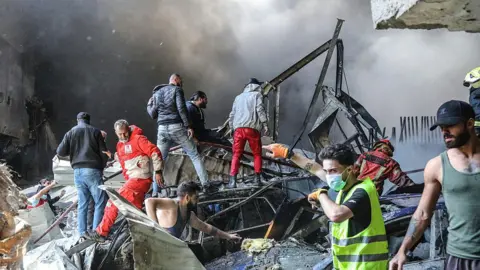
His announcement comes on the heels of extensive Israeli strikes on Lebanon, which the Lebanese health ministry reported resulted in the deaths of 303 people and 1,150 injuries. This escalation of conflict poses a risk to the fragile ceasefire established among the US, Israel, and Iran.
The situation has become increasingly complicated, with conflicting views on how the ceasefire includes Lebanon, leading to a major wave of Israeli airstrikes—the most intense since the start of the conflict six weeks ago. These attacks prompted Iran to declare that Israel was violating ceasefire terms and threatened to retaliate.
While Israel continues to occupy parts of southern Lebanon and has destroyed various villages, it remains uncertain how productive negotiations could be without a temporary ceasefire agreement.
Additionally, the ability of the Lebanese government to influence Hezbollah, which operates as a separate entity despite having representation in the government, is questioned. The Lebanese cabinet has recently instructed security forces to limit weapons in Beirut to state institutions, a move welcomed by Israel.
These talks, however, are being called for despite the backdrop of heavy destruction and loss of life in Lebanon, highlighting the complexity and challenge of finding a peaceful resolution in the area.