From Johnny Logan and Dana to years of dominance in the early 1990s, Ireland has a storied history with the Eurovision Song Contest.
Ordinarily the country, which holds the joint record for most wins with Sweden, would join the rest of Europe in eagerly awaiting Saturday's grand final. But not this year.
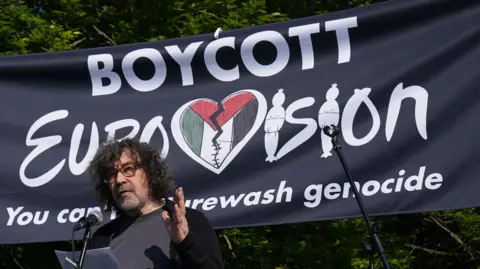
Ireland is one of five countries, along with Iceland, the Netherlands, Slovenia, and Spain, boycotting the contest over the European Broadcasting Union's (EBU) decision to allow Israel to participate. The competition features no Irish entrant, and national broadcaster RTÉ will not be showing events from Austria, opting instead to air a Eurovision-themed episode of sitcom Father Ted.
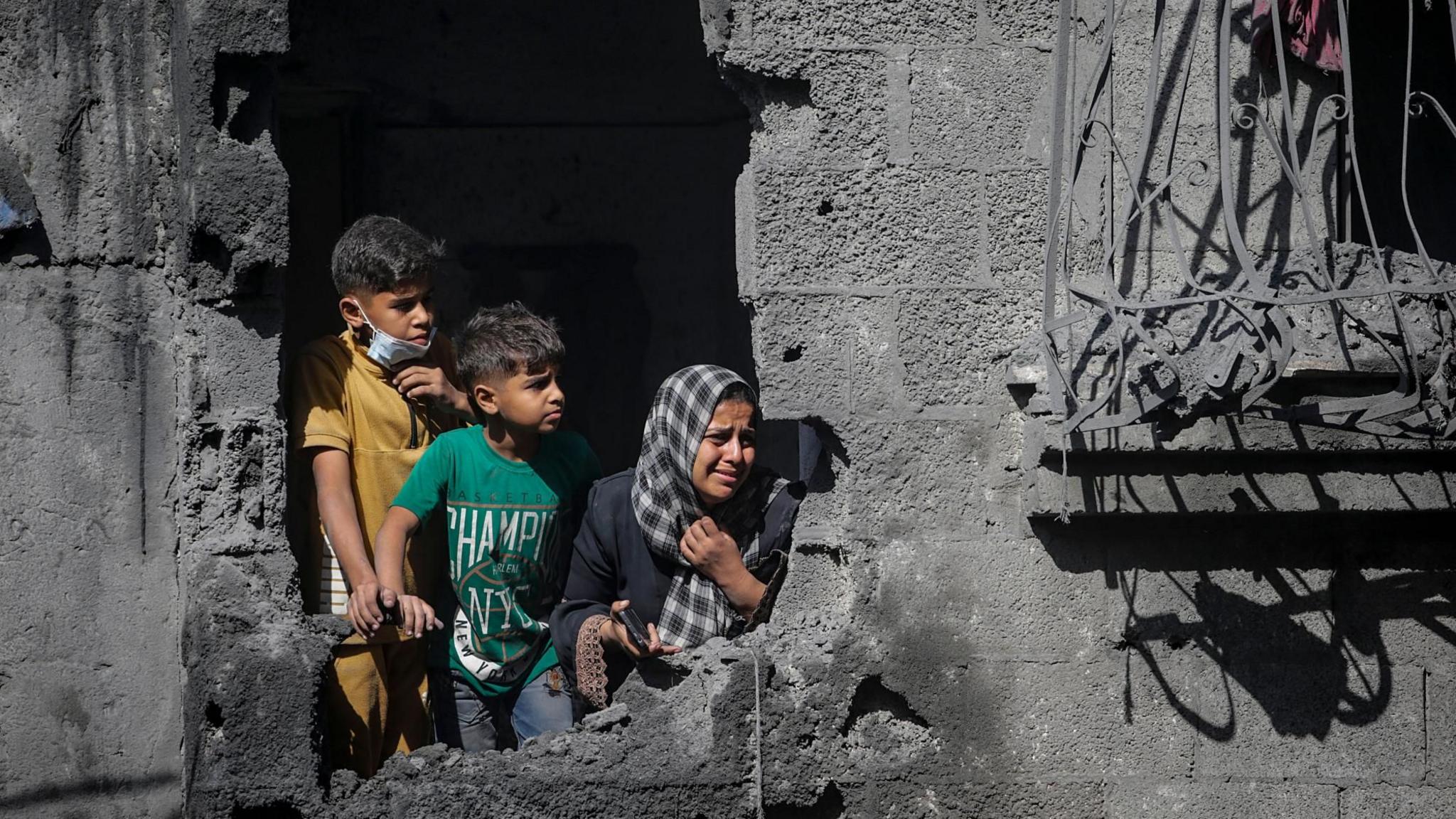
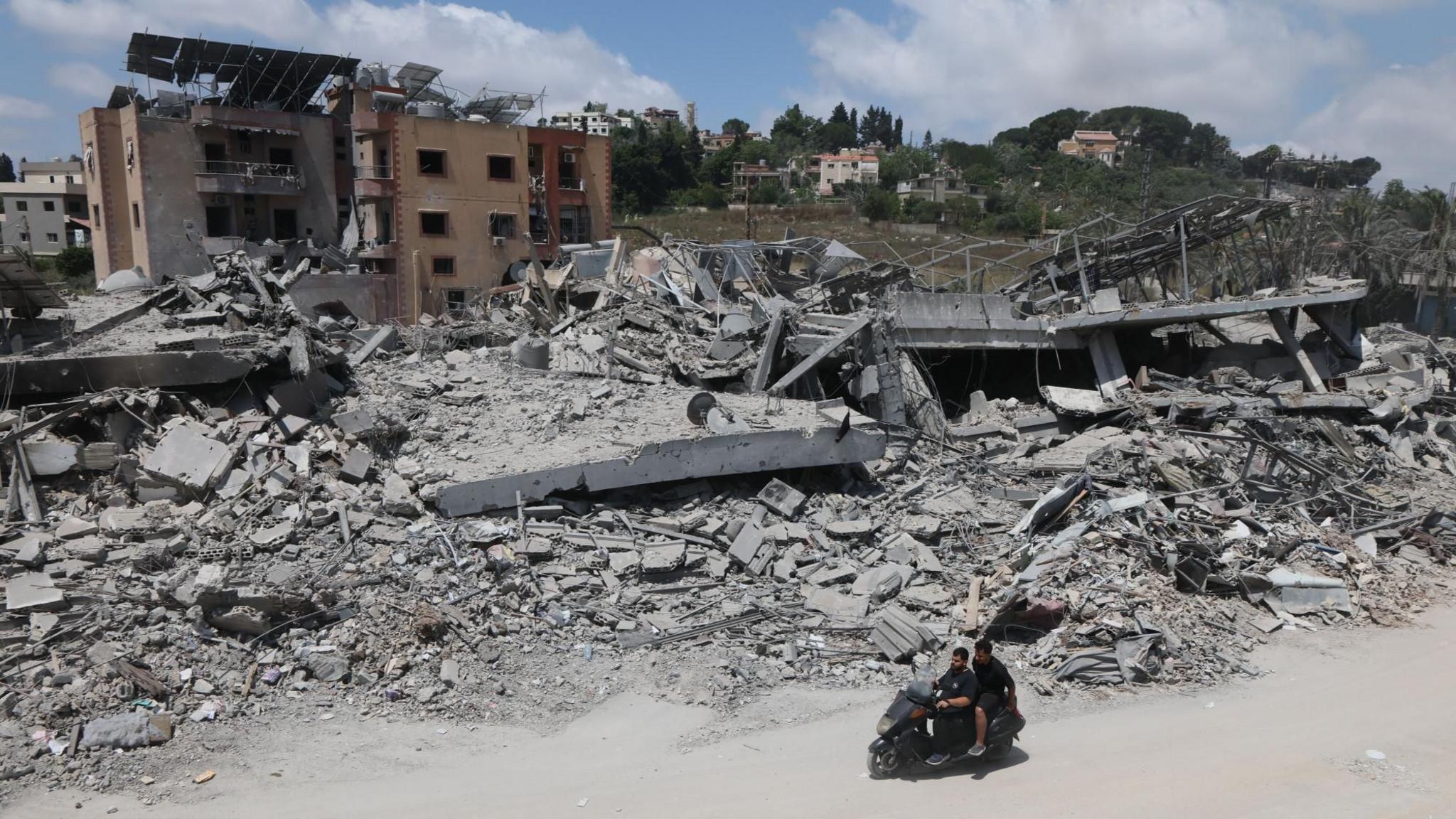
This boycott comes as Ireland's political stance leans increasingly pro-Palestine, following widespread criticism of Israel's actions in Gaza. The absence of Ireland was described by Israeli broadcaster Kan as a cultural boycott harming freedom of expression.
Younger people in Dublin expressed support for the boycott, stating that participating in Eurovision would be inappropriate given the current humanitarian crisis. However, the decision has faced criticism from members of the Jewish community in Ireland, who feel the boycott represents collective punishment against a larger population, and raises issues of antisemitism.
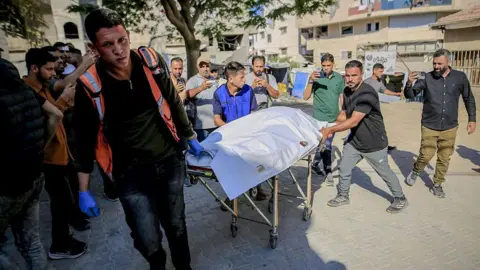
Irish broadcaster RTÉ justified their decision by highlighting the humanitarian losses in Gaza and concerns for journalists in the conflict area. Taoiseach Micheál Martin referred to the boycott as an act of solidarity with victims of war.
In response to the decision, the creative team behind Father Ted has been accused of insensitivity for airing an older episode, prompting much debate and criticism. As this controversy unfolds, sentiments remain polarized, with calls for Ireland to reevaluate its cultural and humanitarian stances in relation to the ongoing Israeli-Palestinian conflict.