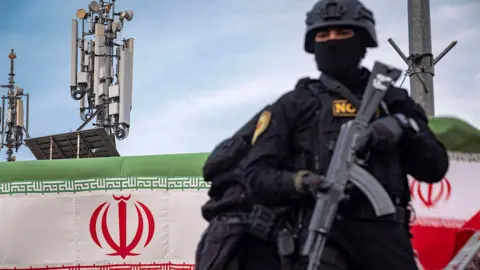
On January 8, Iran initiated one of the most significant internet shutdowns in its history, impacting 92 million citizens by cutting off all internet services and disrupting phone and text messaging. This measure was reportedly taken to curb dissent and prevent international scrutiny amid a government crackdown on protests.
Iranian Foreign Minister Abbas Araghchi claimed that the internet service disruption was in response to what he characterized as externally orchestrated terrorist operations. As of now, no official timeline has been provided for the restoration of internet services.
Recent reports speculate that the Iranian government may be considering a permanent reduction of internet access. On January 15, sources informed news outlet IranWire that international web access might not resume until at least the Iranian New Year in late March.
Internet freedom groups like FilterWatch assert that the government appears to be hastily planning systems to isolate Iran from the international internet. They reported that there should be no expectations for a return to previous forms of internet access, which includes virtual private network (VPN) usage that had previously allowed access to services like Instagram.
For many years, Iran has exercised strict control over internet access, blocking most Western social media platforms and external news sites. The shutdown has raised alarms as e-commerce and daily lives are greatly hindered, with reports of over 3,300 confirmed protester deaths and 24,266 arrests since the unrest began.
Campaigners like Access Now stress the necessity of internet access for humanitarian purposes, contending that limiting communication endangers lives and permits governmental accountability avoidance regarding human rights violations. With indications that future access may require government approval, observers highlight a serious threat of evolving into a more extreme digital isolation framework akin to models seen in China and Russia.
Experts propose that, while current technology could facilitate greater freedom, the authoritarian grip apparent in the Iranian regime may hinder significant progress towards open access.