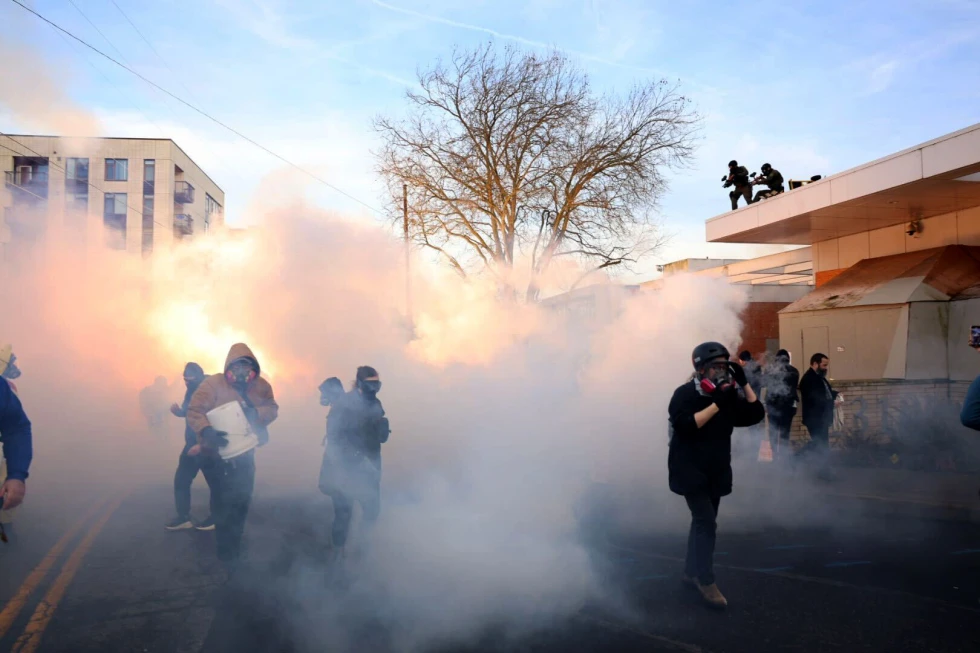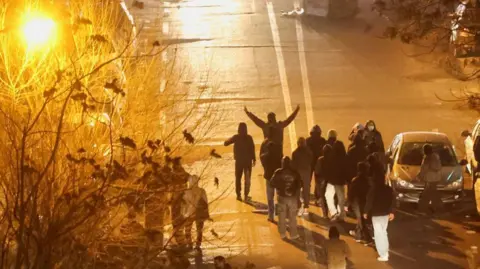
Iran's rulers are confronting their most serious challenge since their own 1979 revolution. They're now countering on an unprecedented scale - a ferocious security crackdown and near total internet shutdown has been unleashed on a scale unseen in previous crises.
Some of the streets once engulfed by a roar of anger against the regime are now starting to go silent. On Friday it was extremely crowded - the crowd was unbelievable - and there was a lot of shooting. Then Saturday night it became much, much quieter, a resident of Tehran told BBC Persian.
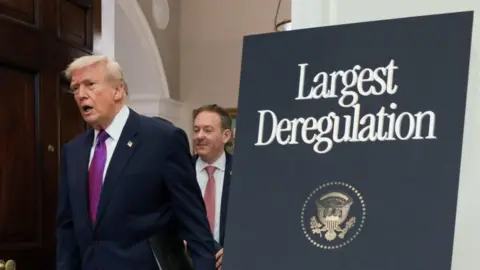
You would have to have a death wish to go out now, one Iranian journalist reflected. This time, an internal upheaval is compounded by an external threat, with President Trump's repeated warnings of military action following strikes on key nuclear facilities during a recent conflict.
Despite calls to negotiate, Iran's leaders maintain their position on vital issues including nuclear enrichment, deemed crucial for their sovereignty and strategic doctrine. With rising dissent and economic hardship manifesting through protests, the authorities have resorted to severe crackdowns, leading to a significant rise in casualties and arrests.
Vali Nasr, an expert on Iranian politics, describes the government's inclination to clamp down, believing that their survival depends on this abrasive control during tumultuous times. However, the legitimacy of the regime is called into question given Sanctions and military failures.
Amid this turmoil, the voice of the exiled crown prince, Reza Pahlavi, has resonated among Iranian dissidents, urging international intervention. Yet, many advocate for a grassroots shift rather than external interference.
As history teaches, change can arise from either above or below, and the outcome remains uncertain amid these historic challenges faced by Iran's leadership.
Some of the streets once engulfed by a roar of anger against the regime are now starting to go silent. On Friday it was extremely crowded - the crowd was unbelievable - and there was a lot of shooting. Then Saturday night it became much, much quieter, a resident of Tehran told BBC Persian.
You would have to have a death wish to go out now, one Iranian journalist reflected. This time, an internal upheaval is compounded by an external threat, with President Trump's repeated warnings of military action following strikes on key nuclear facilities during a recent conflict.
Despite calls to negotiate, Iran's leaders maintain their position on vital issues including nuclear enrichment, deemed crucial for their sovereignty and strategic doctrine. With rising dissent and economic hardship manifesting through protests, the authorities have resorted to severe crackdowns, leading to a significant rise in casualties and arrests.
Vali Nasr, an expert on Iranian politics, describes the government's inclination to clamp down, believing that their survival depends on this abrasive control during tumultuous times. However, the legitimacy of the regime is called into question given Sanctions and military failures.
Amid this turmoil, the voice of the exiled crown prince, Reza Pahlavi, has resonated among Iranian dissidents, urging international intervention. Yet, many advocate for a grassroots shift rather than external interference.
As history teaches, change can arise from either above or below, and the outcome remains uncertain amid these historic challenges faced by Iran's leadership.