In brief
The ongoing protests in Iran have entered their second week, leading to overwhelmed hospitals struggling to cope with a surge of injuries. Medical professionals reveal that surgical resources are stretched thin, particularly following violent clashes. Amid international concern and warnings from world leaders, Iran's government attributes the unrest to foreign interference, while protesters demand significant change.
As protests in Iran entered their second week, doctors have reported that hospitals are overwhelmed with injuries from the escalating violence. An eye hospital in Tehran was described as being in 'crisis mode' due to the influx of patients, with another hospital in Shiraz struggling to find enough surgeons to handle the growing number of injured individuals.
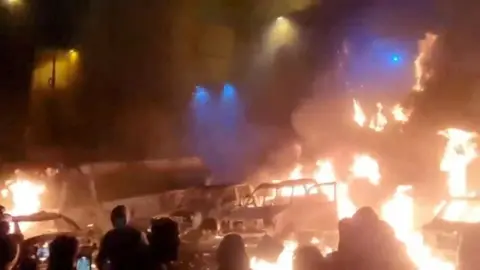
Anti-government protests have swept across numerous cities, with many demonstrators calling for reform. Reports indicate that at least 50 protesters have been killed, with serious injuries including gunshot wounds, primarily to the head and eyes.
The Iranian government has issued coordinated warnings to protesters, as US President Donald Trump stated that Iran is facing significant troubles and reiterated that any violent crackdown would result in a strong response from the US. In his messaging, Trump emphasized the importance of the protesters' rights to assemble peacefully.
In a letter to the UN, Iranian officials accused the US of inciting violence and chaos, characterizing the protests as 'violent subversive acts.' Meanwhile, the Supreme Leader of Iran, Ayatollah Ali Khamenei, insisted that the regime would not relent in the face of dissent, warning against 'destructive elements'.
The situation has become increasingly dire with reports of a nearly complete internet blackout making it difficult for journalists and families to communicate. Various international leaders, including those from France and the UK, have urged Iran to respect the right to peaceful assembly, reflecting global support for the protesters.
With over 2,311 arrests documented, the humanitarian conditions surrounding the protests raise serious concerns as both sides brace for further confrontation.