Iran Claims Peace Deal with the U.S. Is 'Never Been Closer'
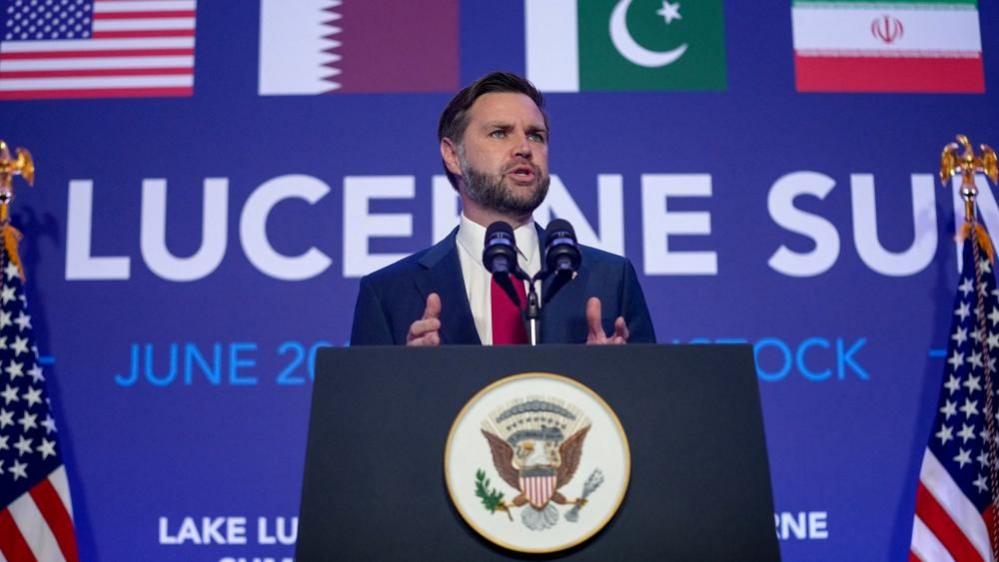
In a swift statement amid a tense geopolitical standoff, Iran’s foreign minister Seyed Abbas Araghchi declared that a deal to end fighting with the United States is closer than ever. The announcement came days after Pakistan’s Prime Minister Shehbaz Sharif—acting as a key mediator—stated that a final agreement had been reached and that Pakistan was working closely with both sides to finalize steps forward.
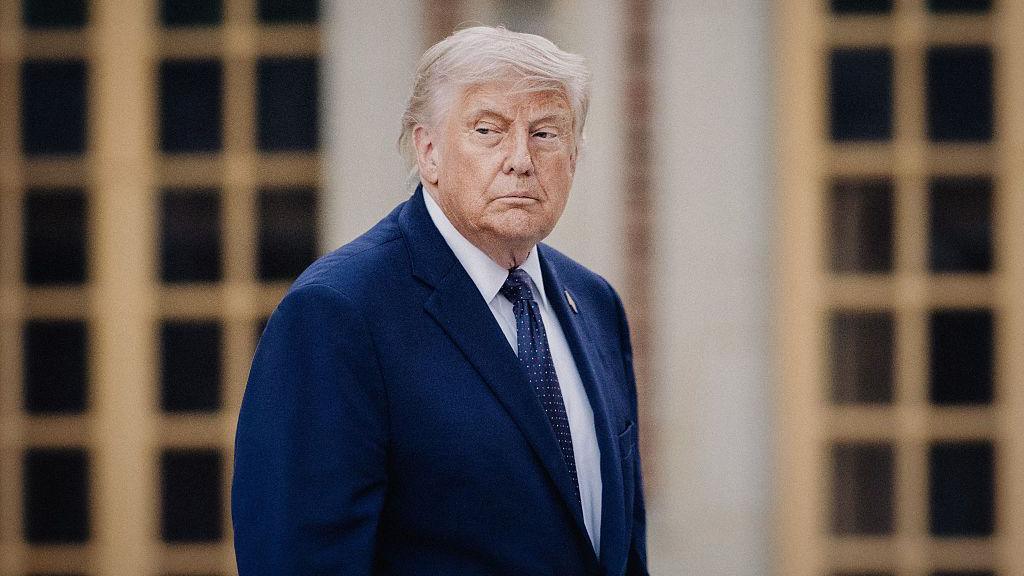
U.S. President Donald Trump reposted Araghchi’s remarks, urging media not to speculate on the content of the proposed deal, while adding that leaked Iranian documents contained no truth. Trump emphasized the integrity of negotiations and condemned Tehran’s “dishonorable” leaking of details.
Negotiators say the outline of the agreement includes lifting the U.S. naval blockade, unlocking “at least $300 billion” for damages, and removing a percentage of frozen assets. Iran also requests a U.N. Security Council resolution to endorse the final pact, covering nuclear material removal, sanction relief, and reconstruction of its economy. The deal, as described by U.S. officials, will be performance‑based: Iran must dismantle its nuclear program and halt funding of regional proxies to receive any benefits.
The U.S. remains skeptical of the terms revealed by Iranian media, citing lack of evidence and insisting no funds will flow to Iran without strict compliance. A senior administration official during a briefing quoted 80‑85% odds that a memorandum of understanding would be signed, yet highlighted internal government fractures as a key delay factor.
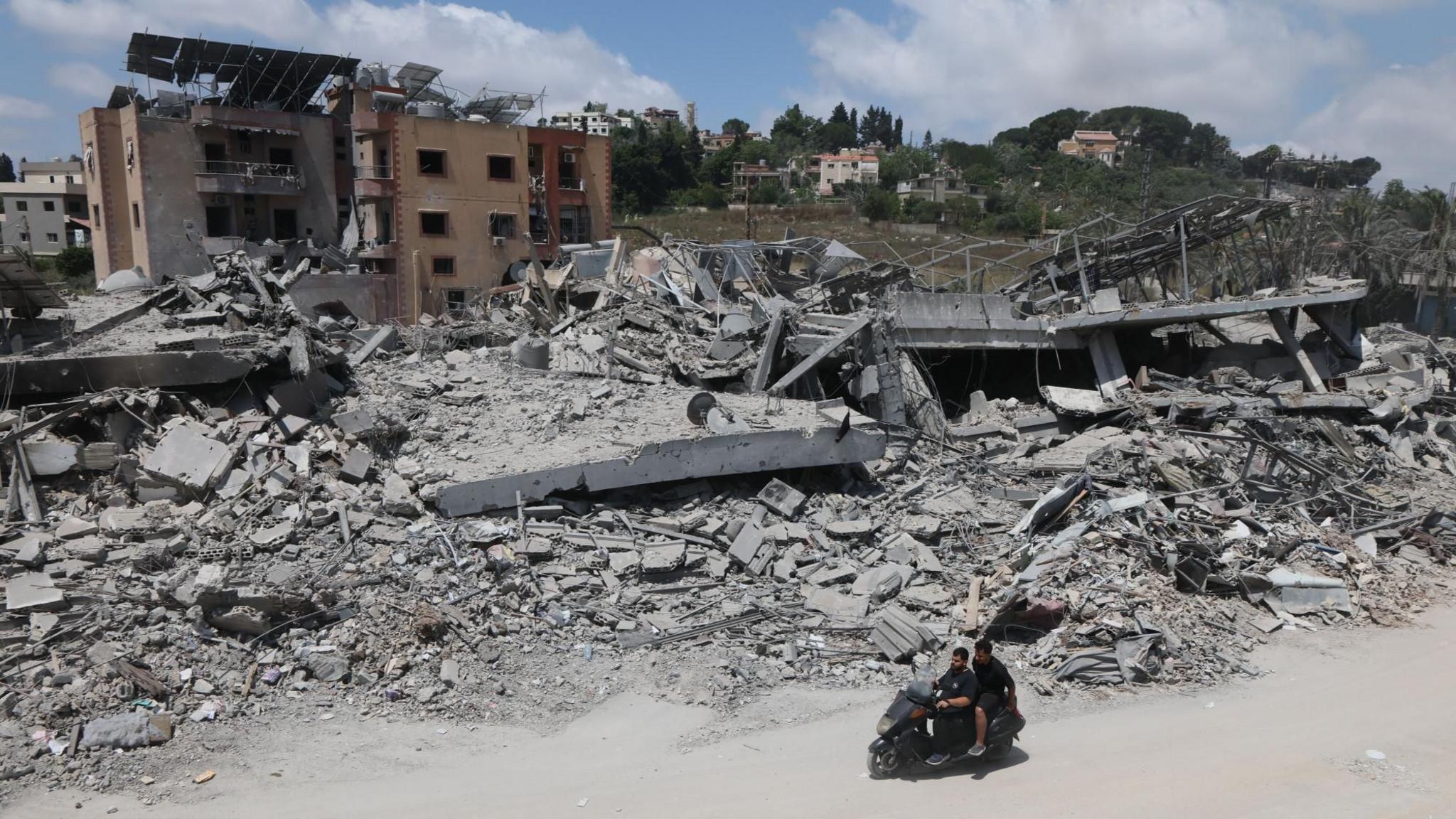
While Israel is not involved in the talks, the potential pact could expand the ceasefire into the broader region. Analysts note that if the agreement holds, the U.S. expects broad compliance, including removal of nuclear threats and suppression of adversarial militias like Hezbollah, to secure economic benefits for Iran and the wider Middle East.
The pace of negotiations remains unclear, but recent statements from U.S. officials suggest a high likelihood of finalizing the deal, with performance incentives tied to both military restraint and economic compliance.