India’s Rising Dependency on Chinese Goods Sparks Trade Shock
India’s trade deficit with China has expanded from $44bn in 2020 to a staggering $112bn today.
This surge reflects a growing reliance on Chinese components across almost every sector of India’s manufacturing base, from smartphones to solar panels. While the toy industry offers a rare success story—India cut imports by a third and climbed exports from $129m to $200m—most of the country’s industrial supply chain remains tied to China.
Exports into China have stayed below pre‑pandemic levels even as imports have doubled, creating a widening structural imbalance. Economists warn that, if imports continue at current speed, the deficit could leap to $134bn, giving Beijing more leverage over Indian industry.
The government has promised to tackle “structural trade imbalances,” but experts point to a need for a holistic approach: stronger domestic manufacturing, better power and credit access, and reliable logistics. Hardcore policy changes—such as prioritising technology transfer, local component production, and transparent approval processes—are critical to preventing a deepening dependency.
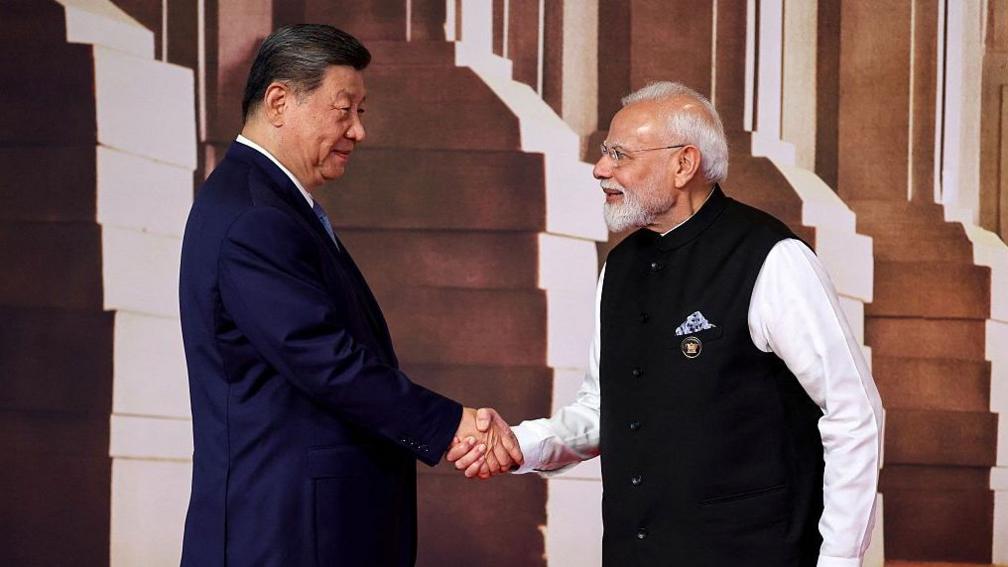
Pathways to Balance: India must boost its own exports, especially in sectors like pharmaceuticals that align with China’s ageing population. It also needs to negotiate fair market access so that the improvement in political ties translates into real economic reciprocity.
In a world where supply chains are increasingly geopolitical, India’s heavy reliance on Chinese imports remains a looming vulnerability that must be addressed with decisive policy and investment in domestic capabilities.