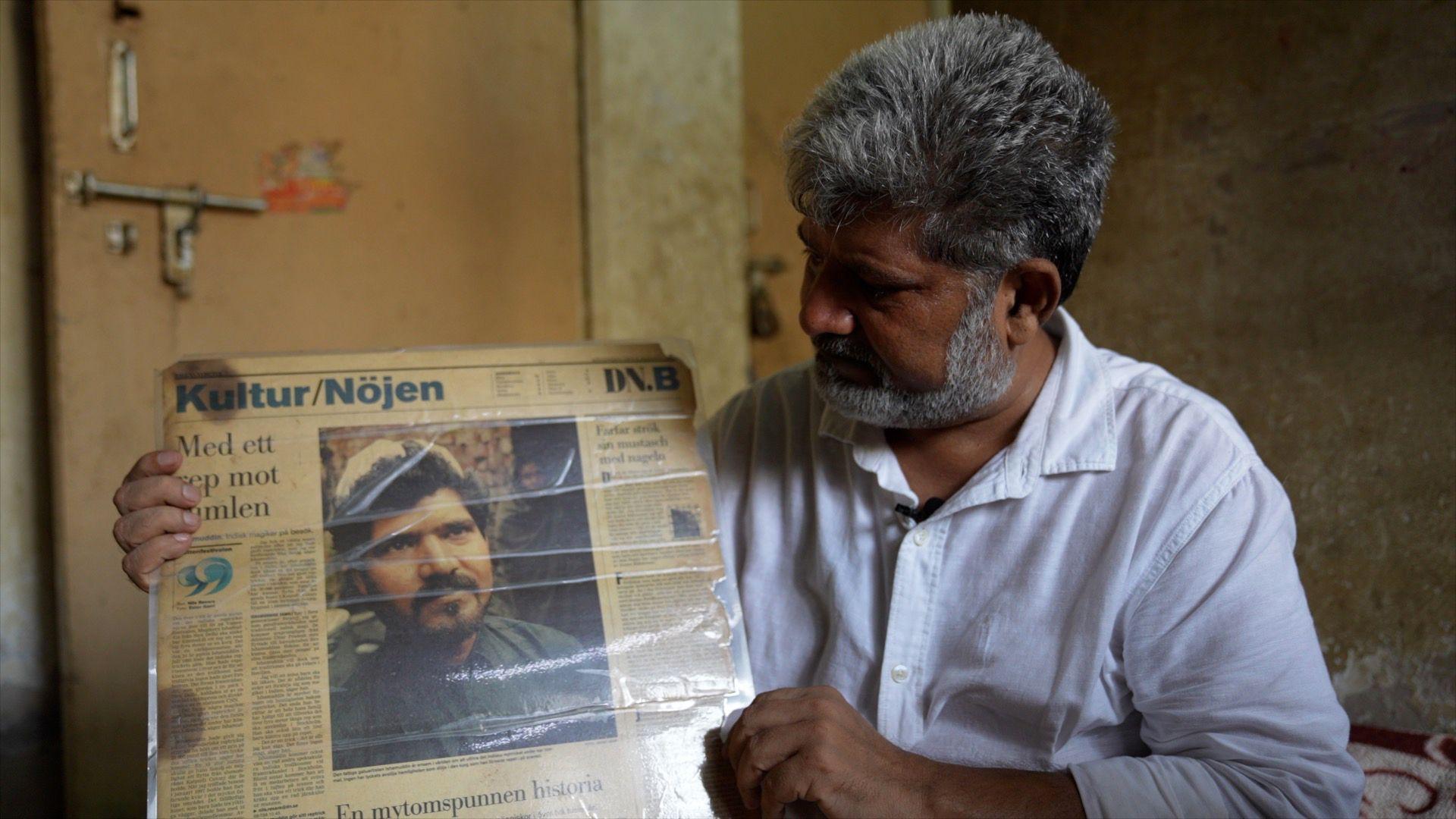
In a cramped Delhi apartment, 55‑year‑old Ishamuddin Khan still manages to make a rope lift as if by magic.
For decades he performed a trick that once seemed impossible— a rope rising into the air while a boy climbs it—an act that made him a national celebrity. He began training under his father at age 12 and spent six years mastering the illusion before first presenting it outside Qutub Minar in 1995.
His worldwide fame led to tours in London, Paris and Tokyo, and he hoped the attention would revive India’s traditional street performers. Yet the spotlight faded as audiences turned to screens, and venues shrank.
The Madari community, of which Khan is a proud member, once numbered only a few hundred families in Delhi and nearby states. Their legacy stretches back centuries, passing spells and tricks from one generation to the next. Today, they struggle to find public spaces; many parks and societies now deny open access to outsiders, and security protocols in busy towns leave little room for street shows.
Unlike in the UK, India has no national framework for busking. Performers must navigate ambiguous state laws on public order, noise and obstruction, while anti‑begging regulations blur the line between a paid act and a form of soliciting alms.
The COVID‑19 lockdown further devastated the sector. Showers were halted, many performers returned to their villages and never came back. Those who returned to the city, like 42‑year‑old Shahim Khan, find themselves confined to industrial areas behind very few crowds, cutting earnings from a thousand rupees a day to a few hundred.
Even veterans have struggled. Imam Khan has abandoned the stage for scrapping, while Shahim’s son Altamash now works in event décor and has little time to keep his juggling skills sharp. Rumors of forgotten tricks loom as the arts fade with the practitioners.
Some experts argue that the loss is not merely financial. The rope trick, for instance, will vanish if no one learns it. The crux of the crisis, they say, is the intersection of urban planning, cultural policy and shifting entertainment habits.
Without a legal refuge for street art and a renewed public appetite for live performance, India’s street magicians risk disappearing, along with the centuries of magic that has long turned crowds into believers.