In brief
A squat village school in Faridabad is a stark illustration of crumbling infrastructure that has spurred a national debate. With only 4.1% of India’s GDP earmarked for education, 94,000 government schools have closed in a decade, leaving many students without basic facilities. The Cockroach Janta Party (CJP) used viral videos and an Instagram campaign to expose these conditions, prompting the resignation of Education Minister Dharmendra Pradhan and catalysing student protests nationwide. Despite sluggish government response, the movement is energising thousands of schoolchildren who demand clean toilets, benches and digital classrooms.
On a weather‑rice day in Khedi Kalan village, an old two‑storey brick building for girls' primary education looks new from the street but is falling apart inside.
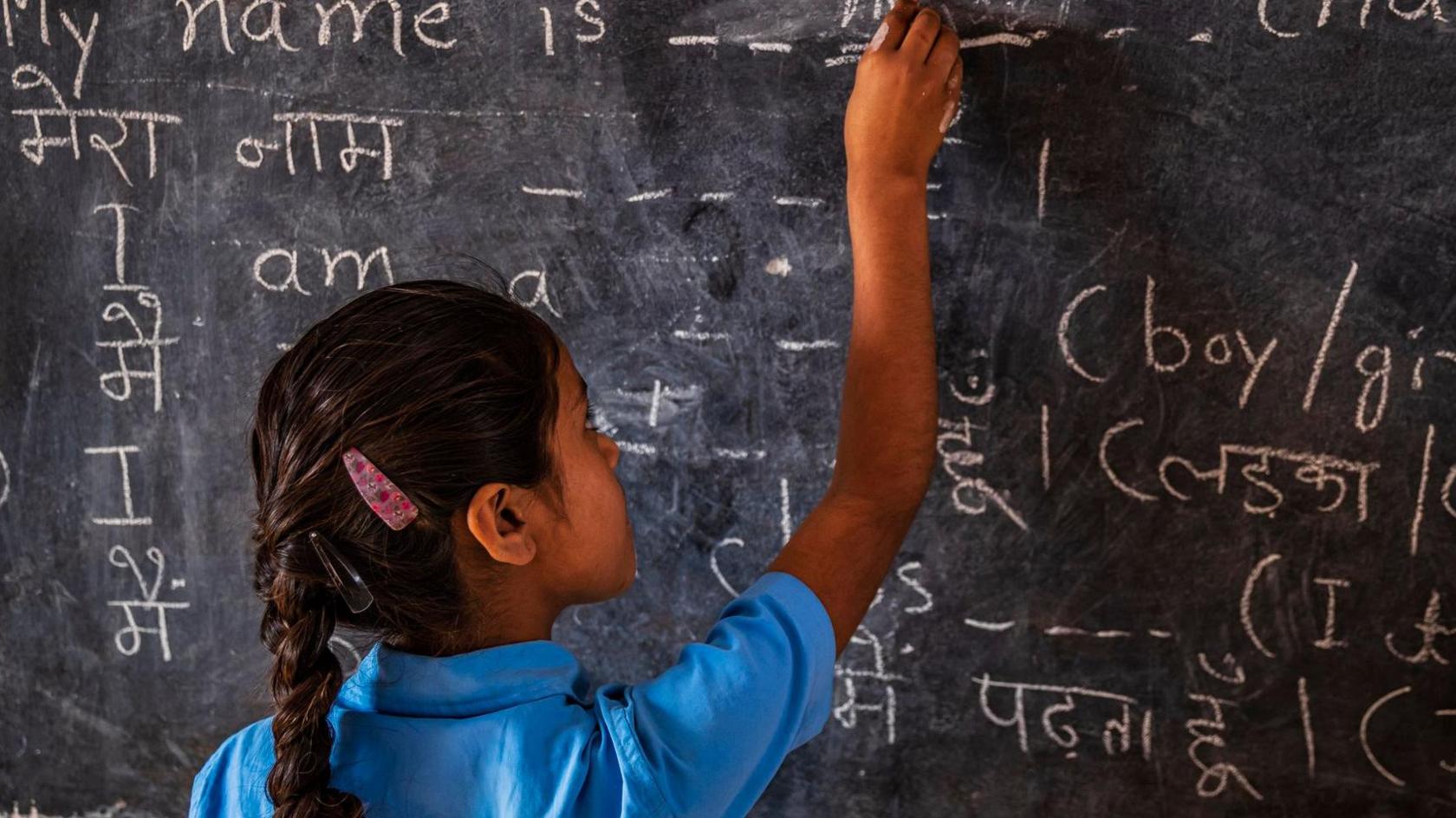
This school, run by the government, is one of many rural schools across India that are starved of money and neglect. Water‑filled potholes line the road outside while plaster cracks from the ceilings inside. Four of the eight toilets are unusable, and half of the classrooms are considered unsafe because they flood during monsoon rains.
India’s education budget only covers 4.1 % of its GDP, barely meeting UNESCO’s minimum threshold. Several nations – France, Germany, Australia, Brazil and the United States – spend over 5 % of their GDP on schooling, and experts say India should aim for 6 %. Despite these shortcomings, the National Education Policy (NEP) 2020 remains insufficiently funded.
In the period 2014‑15 to 2024‑25, more than 94 000 government schools have closed, per a Niti Aayog report that acknowledged that some merges were part of a streamlining effort but warned that private‑school demand has surged at the expense of public enrolment.
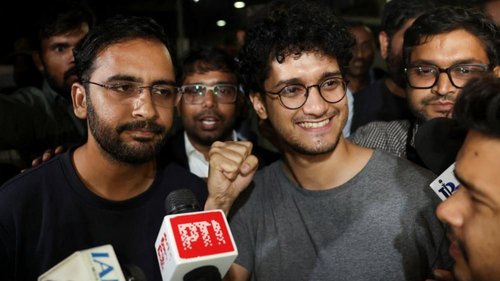
The plight of these schools caught national attention when the Cockroach Janta Party – a satirical online movement – staged a week‑long protest in Delhi that led to Education Minister Dharmendra Pradhan’s resignation. The campaign’s hashtag, #SchoolThikKaro (“Fix The School”), next focused on the physical deterioration of public schools.
Abhijeet Dipke, founder of the CJP, asserted that crumbling facilities in rural schools deny children the same opportunities as their urban counterparts. He said that many families are financially compelled to send their children to private schools, which offer proper benches, toilets, drinking water and digital boards, while government schools remain in disrepair.
Students across India have embraced the movement. By Thursday, Dipke claimed that after visiting more than twenty rural schools he had found no single “good” school. He noted the absence of benches, bathrooms, water and even basic amenities, describing the reality as “heart‑breaking” and “unchanged for twenty years.”
Videos circulating on Instagram, showing damp pathways, leaking roofs and overcrowded makeshift classrooms, have gone viral and triggered local authorities to act: a Raigad road was repaired after a schoolgirl’s video, and officials in Uttar Pradesh responded to students demanding better infrastructure.
New Zealand national commentator Nilanjan Mukhopadhyay explained that the protest was more than a single exam or ministerial resignation; it spotlighted systemic issues that the community now demands address. The CJP’s campaign has demonstrated that sustained pressure can galvanise public sentiment.
Teachers remain a major shortage. At a Faridabad primary school, of the 910 pupils, only six teachers were available after 30 were deployed to voter list work and four were sick. The head teacher, Chatar Singh, revealed that teachers are routinely diverted to non‑teaching duty such as elections, census and voter lists, leaving the core mission of education in limbo.
Many parents, especially from migrant factory workers, still send their children to government schools, but the perception that schools are unsafe or poorly maintained pushes even these families toward costly private schools.
As the CJP’s social media activism heats up, students across the country are using phones to document and share their conditions. This collective action is leading to localized protests and demanding accountability from the government.
In conclusion, the #FixTheSchool movement is an emergent force pushing the Indian government to review and improve school infrastructure across rural and urban areas. The urgency of the problem is evident in the lack of basic facilities, teacher shortages and the growing demand for higher education dollars. International observers note that India must raise its education budget to at least 6 % of GDP to meet the standards of comparable countries.