In brief
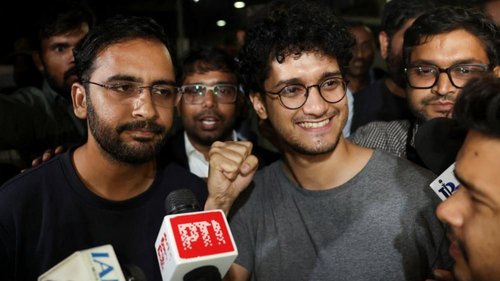
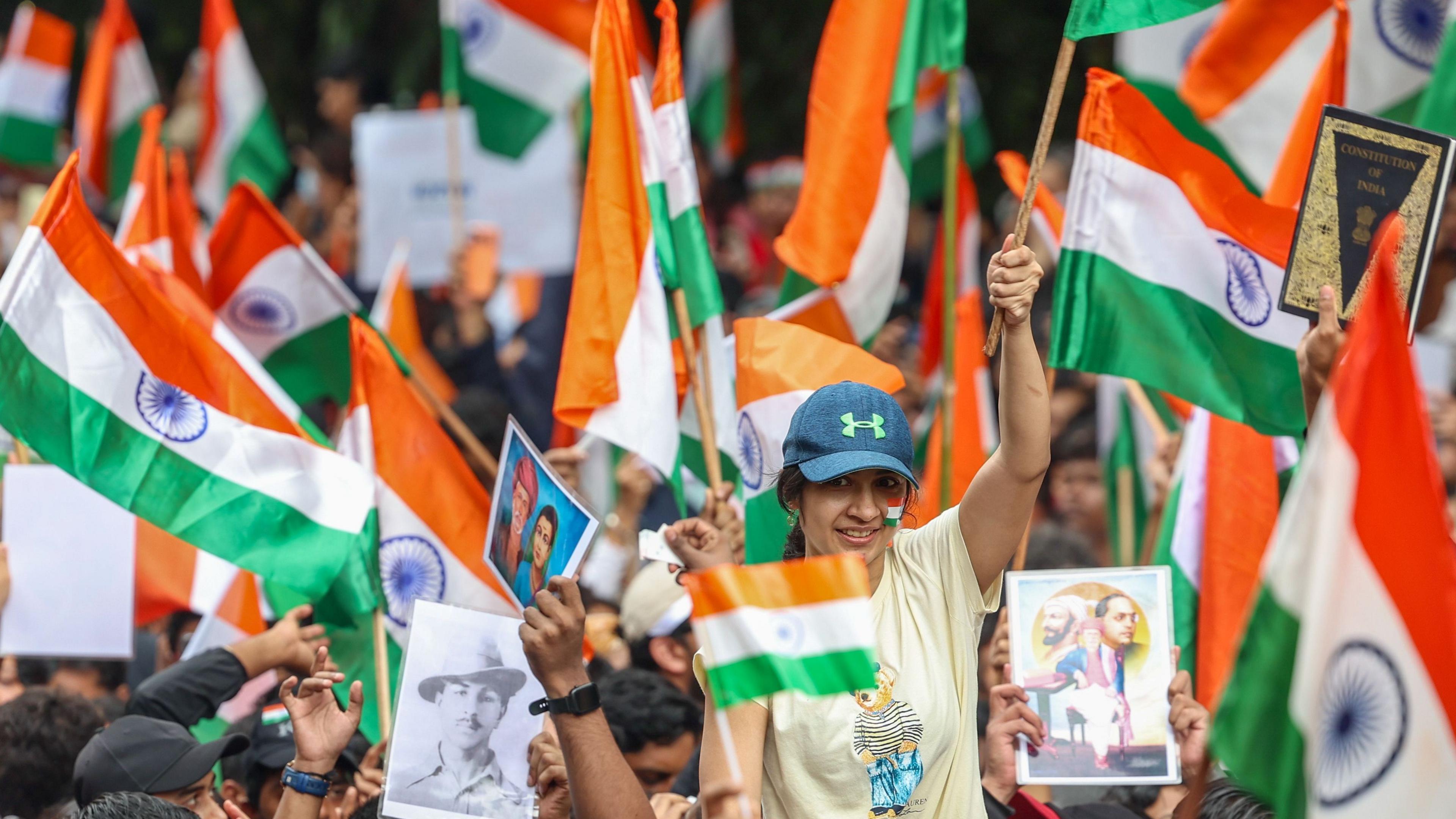
A week‑long protest by the Cockroach Janta Party on Delhi’s Jantar Mantar ended with a video of women cursing at the prime minister, sparking a debate about gender and profanity. Prime Minister Narendra Modi dismissed the outburst as a ‘culture shock’ yet signed an apology video. His main opposition, Rahu Gandhi, attacked Modi’s focus on women, calling it misogynistic patriarchy. The controversy has exposed double‑standards and the growing use of profanity in public discourse and the political arena.
Recent footage of young women using profanity during a month‑long protest in Delhi’s Jantar Mantar has ignited a heated debate across the nation: is the use of expletives worse when they come from women?
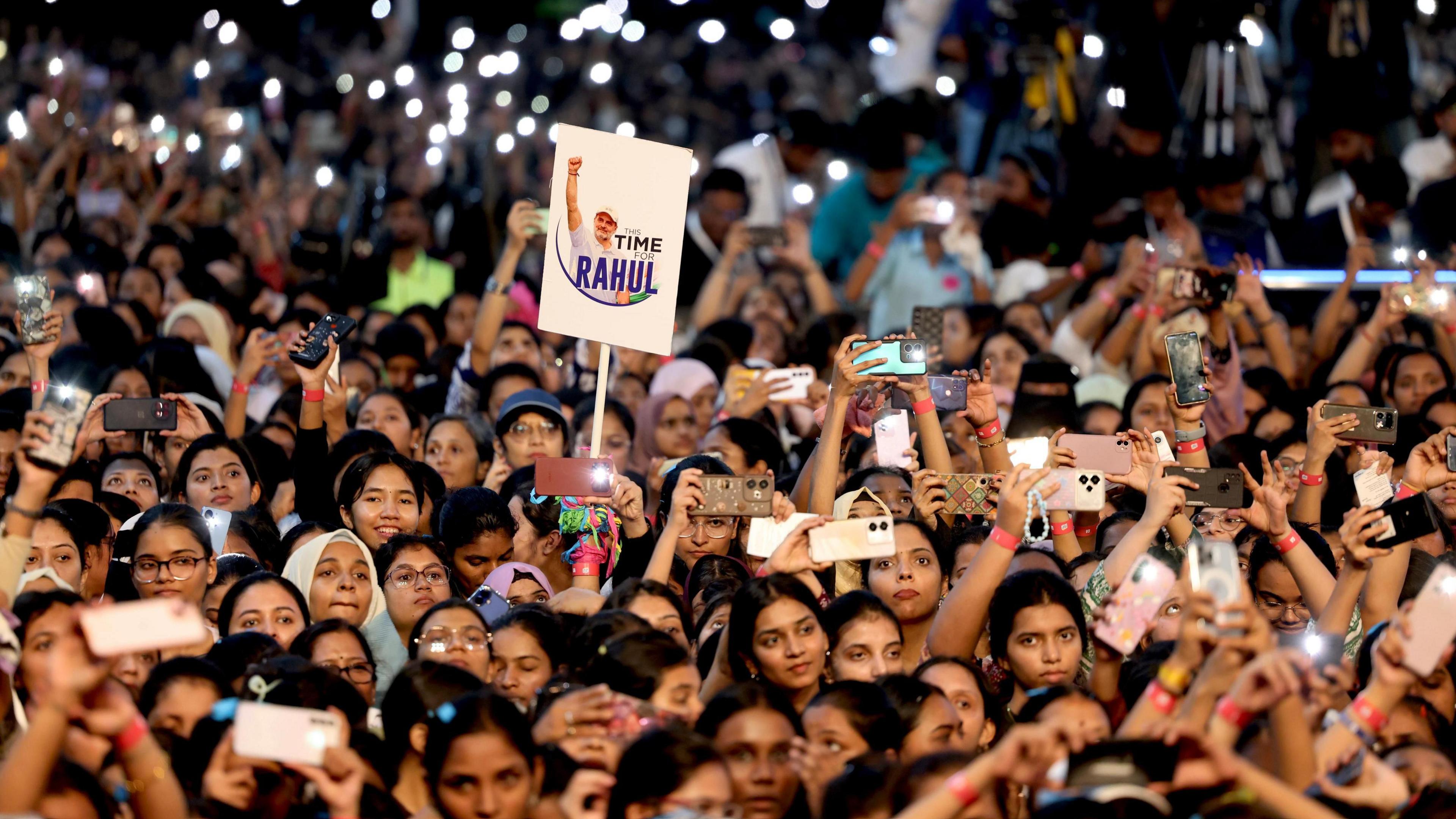
Prime Minister Narendra Modi described the women’s language as a ‘culture shock’ in a selfie video, yet later issued a forgiving statement. His comment was sharply countered by opposition leader Rahul Gandhi, who argued that men were allowed to use the same words without consequence and that focusing on women reveals a patriarchal bias.
The episode taps into a deeper pattern of profanity in India’s public sphere. From television debates to court rooms, expletives have become commonplace, often sparking backlash when they break social norms. A recent viral clip showed a Doordarshan presenter calling out a temple priest who swore at a Congress spokesman during a live segment.
Experts say that the growing tolerance for public profanity signals a broader decay in civic discourse. Sociologist Shiv Vishwanathan warns that unchecked aggression and curse words undermine respectful dialogue and threaten democratic norms.
Key Points
- Women’s swearing at the CJP protest ignited a gender debate.
- Modi’s ‘culture shock’ remark was dismissed as patriarchal bias by Rahul Gandhi.
- Profanity now infiltrates political, legal, and media arenas across India.
- Academic voices warn that unrestrained profanity erodes respectful democracy.
While the immediate controversy may subside, the underlying tensions around gender, language, and societal expectations are likely to resurface. The debate serves as a mirror for India’s evolving public narrative and the battle over who is allowed to speak loudly.