SACRAMENTO, Calif. — On a recent afternoon, Giselle Garcia, a volunteer who has been helping an Afghan family resettle, drove the father to a check-in with U.S. Immigration and Customs Enforcement (ICE). She warned him and his family to prepare for the worst.
The moment the father stepped into the ICE office in California’s capital, he was arrested.
This incident comes just days after the shooting of two National Guard troops by an Afghan national suspect, prompting federal authorities to ramp up arrests of Afghans in the United States. Immigration lawyers report that Afghans both in and outside the country have come under intense scrutiny from immigration officials.
Garcia described the family she assisted as law-abiding, reporting to their appointments and following all legal requirements. “He was trying to be strong for his wife and kids in the car, but the anxiety and fear were palpable,” Garcia said. “His wife was trying to hold back tears, but I could see her in the rearview mirror silently crying.”
Having fled Afghanistan under Taliban threat, the family had sought asylum at the U.S.-Mexico border. Due to safety concerns, Garcia chose not to identify them publicly.
Since the November shooting, approximately two dozen Afghan immigrants have been arrested, particularly in Northern California, with Sacramento witnessing at least nine arrests in just one week after men received check-in calls from ICE.
Many of those detained had previously requested asylum at the U.S.-Mexico border within the last two years, or were part of the Operation Allies Welcome, initiated by the former Biden administration following America's chaotic exit from Afghanistan.
The White House has indicated that the Trump administration is reviewing the status of Afghan nationals who entered under Biden’s tenure. The AP has not confirmed the immigration status or specific reasons for each arrest; however, spokespersons for the Department of Homeland Security mention active efforts to identify and detain those considered public safety threats.
Rahmanullah Lakanwal, the suspect in the initial shooting incident, was granted asylum earlier in the year, prompting critics to argue that Afghans collectively suffer for the actions of a single individual.
In response to the shooting, the U.S. government has implemented sweeping changes to immigration policy, pausing asylum applications and increasing vetting for immigrants from certain countries while specifically targeting Afghans.
Organizations and advocates claim this intensification of enforcement equates to collective punishment for many who supported American military efforts in Afghanistan. Rep. Ami Bera, from California, emphasized the bravery of many Afghans who risked their lives for U.S. troops, asserting that punishing all for the actions of one is unjust.
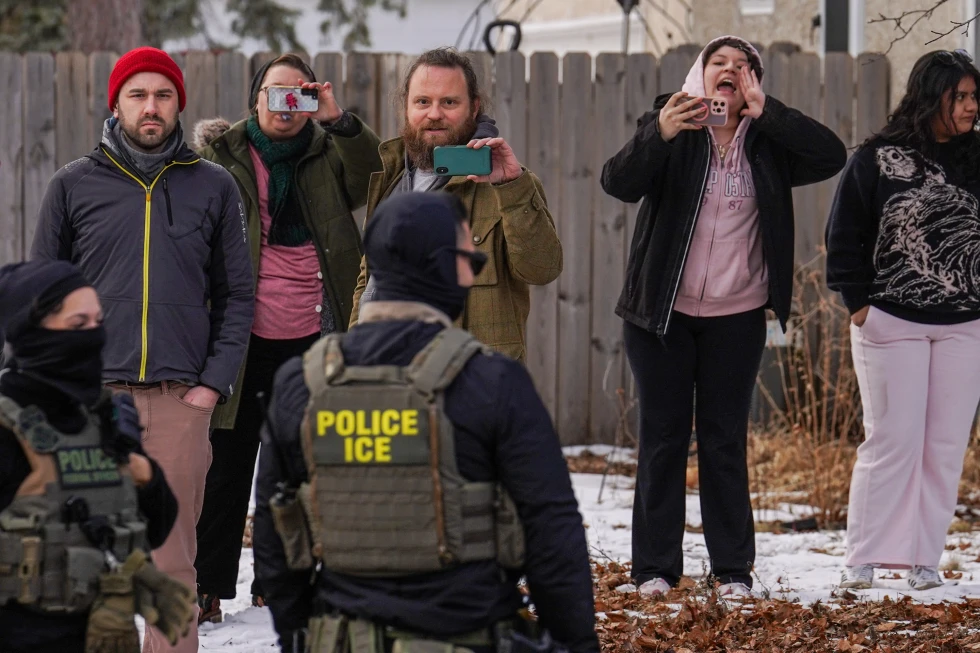
On Dec. 1, Afghan men began arriving sporadically at the ICE office in Sacramento, responding to requests for check-ins, only to find themselves arrested upon entry. Garcia noted that volunteers witnessed a surge of arrests that day, reinforcing the atmosphere of fear surrounding the Afghan community.
Garcia’s observational insights detail distressing scenes: as she overheard agents cuffing the father she had accompanied, she attempted to remind him of his rights. She had to leave when approached by security, but not before witnessing his family’s collapse into despair outside.
The continuation of these practices raises alarms among activists and supporters for Afghan refugees, often fearful that their own legal status may be under threat due to these increased enforcement efforts.
The moment the father stepped into the ICE office in California’s capital, he was arrested.
This incident comes just days after the shooting of two National Guard troops by an Afghan national suspect, prompting federal authorities to ramp up arrests of Afghans in the United States. Immigration lawyers report that Afghans both in and outside the country have come under intense scrutiny from immigration officials.
Garcia described the family she assisted as law-abiding, reporting to their appointments and following all legal requirements. “He was trying to be strong for his wife and kids in the car, but the anxiety and fear were palpable,” Garcia said. “His wife was trying to hold back tears, but I could see her in the rearview mirror silently crying.”
Having fled Afghanistan under Taliban threat, the family had sought asylum at the U.S.-Mexico border. Due to safety concerns, Garcia chose not to identify them publicly.
Since the November shooting, approximately two dozen Afghan immigrants have been arrested, particularly in Northern California, with Sacramento witnessing at least nine arrests in just one week after men received check-in calls from ICE.
Many of those detained had previously requested asylum at the U.S.-Mexico border within the last two years, or were part of the Operation Allies Welcome, initiated by the former Biden administration following America's chaotic exit from Afghanistan.
The White House has indicated that the Trump administration is reviewing the status of Afghan nationals who entered under Biden’s tenure. The AP has not confirmed the immigration status or specific reasons for each arrest; however, spokespersons for the Department of Homeland Security mention active efforts to identify and detain those considered public safety threats.
Rahmanullah Lakanwal, the suspect in the initial shooting incident, was granted asylum earlier in the year, prompting critics to argue that Afghans collectively suffer for the actions of a single individual.
In response to the shooting, the U.S. government has implemented sweeping changes to immigration policy, pausing asylum applications and increasing vetting for immigrants from certain countries while specifically targeting Afghans.
Organizations and advocates claim this intensification of enforcement equates to collective punishment for many who supported American military efforts in Afghanistan. Rep. Ami Bera, from California, emphasized the bravery of many Afghans who risked their lives for U.S. troops, asserting that punishing all for the actions of one is unjust.
On Dec. 1, Afghan men began arriving sporadically at the ICE office in Sacramento, responding to requests for check-ins, only to find themselves arrested upon entry. Garcia noted that volunteers witnessed a surge of arrests that day, reinforcing the atmosphere of fear surrounding the Afghan community.
Garcia’s observational insights detail distressing scenes: as she overheard agents cuffing the father she had accompanied, she attempted to remind him of his rights. She had to leave when approached by security, but not before witnessing his family’s collapse into despair outside.
The continuation of these practices raises alarms among activists and supporters for Afghan refugees, often fearful that their own legal status may be under threat due to these increased enforcement efforts.