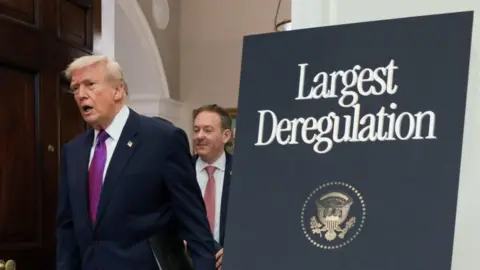
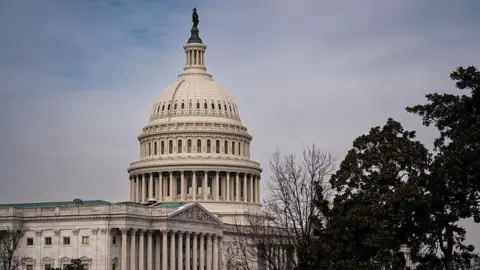
A potential shutdown of parts of the federal government looms this weekend as lawmakers engage in intense negotiations regarding the funding for the Department of Homeland Security (DHS). The funding agreement is currently stalled as Democrats seek to impose new restrictions on immigration enforcement measures advocated by President Donald Trump.
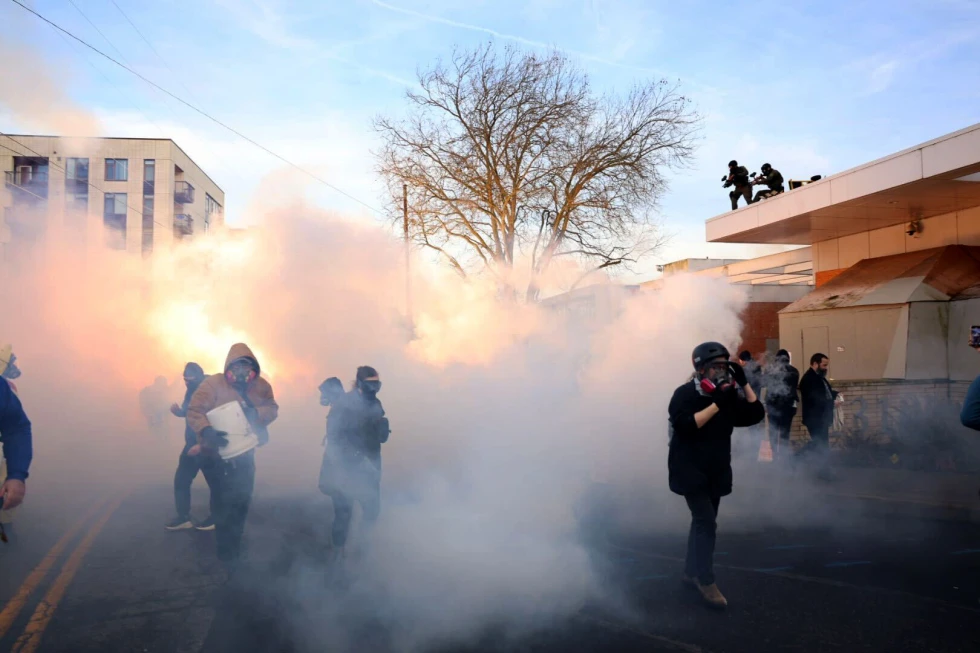
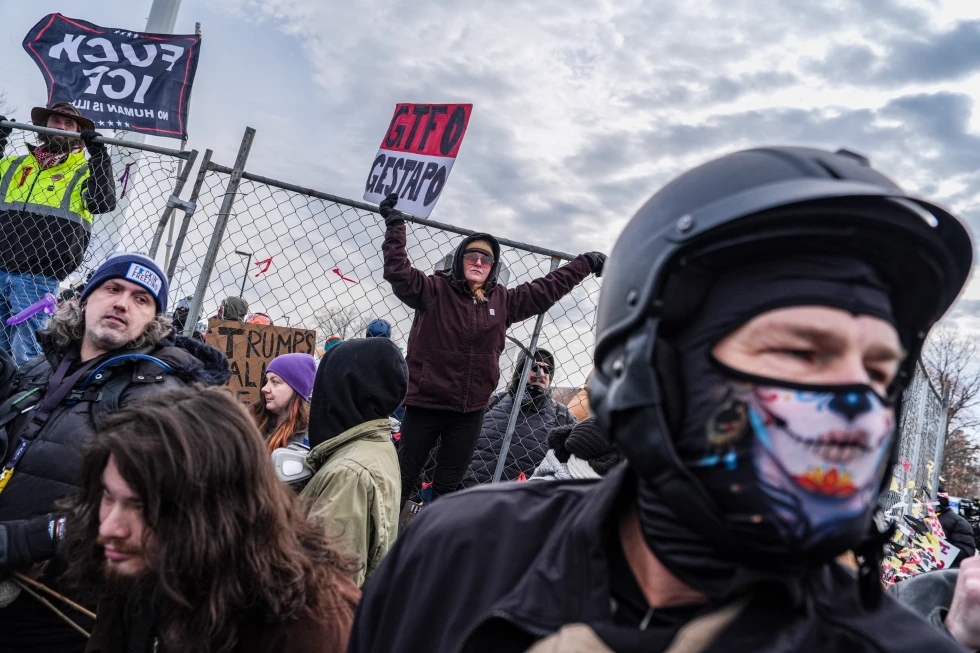
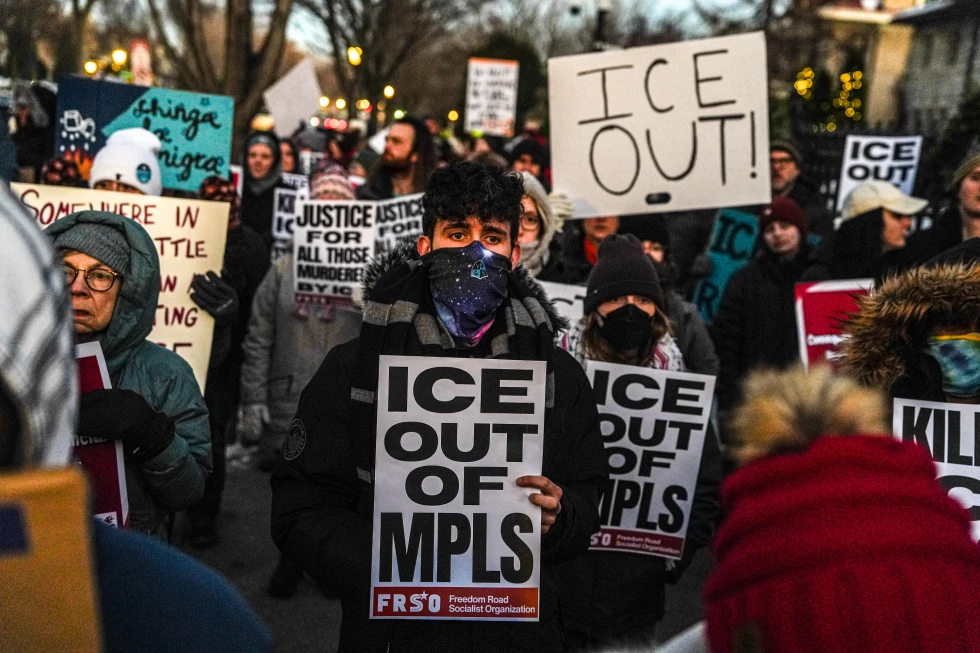
The funding for DHS is set to expire on Saturday, and Democratic leaders have made it clear that they will not approve additional funding until satisfactory changes are made regarding federal immigration operations. This stance follows the recent tragic shootings of Alex Pretti and Renee Good in Minneapolis, which have raised heightened concerns around current federal law enforcement practices.
Despite ongoing negotiations between the White House and Democratic representatives, a consensus has yet to be reached. Without an agreement by the end of the week, funding for key DHS agencies, including Immigration and Customs Enforcement (ICE) and Customs and Border Protection (CBP), will cease, leading to concerns about the potential impact on essential services.
This forthcoming shutdown is expected to be more confined than the previous 43-day shutdown experienced last fall; only agencies under the DHS would be affected. However, even a partial shutdown could have significant repercussions, particularly for federal workers who may face delayed paychecks and disruptions to services like airport screenings.
Current Negotiation Standpoint
The challenges stem largely from Trump's decision to separate DHS funding from a broader spending package, which was intended to allow more time for negotiations regarding changes to immigration enforcement practices. These changes include a proposed code of conduct for federal agents and mandatory identification for officers.
While the rest of the federal government remains funded through September 30, essential services related to food assistance and military payroll will continue without interruption. However, the government’s inability to reconcile differences over DHS funding may hinder critical operations, especially for the Transportation Security Administration (TSA), where the majority of the workforce is deemed essential. TSA employees have warned that delays could worsen significantly as the shutdown progresses, leading to longer wait times at airports.
Affected Workers
The impending shutdown could result in significant issues for federal employees across various departments. While many are classified as essential and will continue working during the lapse, they may not receive pay until new funding measures are reinstated. This situation has already sparked concerns within the TSA, where the potential for increased sick leave and absences among workers could disrupt airport services.
As negotiations continue, lawmakers from both parties are increasingly aware that an extended shutdown could thwart critical federal services and create considerable strain for employees, many of whom are still recovering from financial challenges incurred during the last shutdown.