BALTIMORE—Kilmar Abrego Garcia, a Salvadoran citizen who has become a central figure in U.S. immigration issues, is scheduled to face immigration authorities after spending time in detention following a wrongful deportation. Garcia, who lives in Maryland with his American family, was released from custody on the orders of a U.S. District Judge who found that federal authorities had no legal basis for detaining him upon his return to the United States.
The incident that escalated these proceedings began earlier this year when Garcia was mistakenly deported to El Salvador, landing him in a severely under-resourced prison notorious for violence. Garcia had previously been granted protections against deportation due to threats from gangs in his home country. Despite being allowed to live and work in the U.S. under supervision, he did not have residency status, which made him vulnerable to ICE's actions.
On Thursday afternoon, just before a deadline set by Judge Paula Xinis, Garcia was freed from the Moshannon Valley Processing Center. The ruling came after public pressure and legal responses led to backlash against the Trump administration’s hardline immigration tactics.
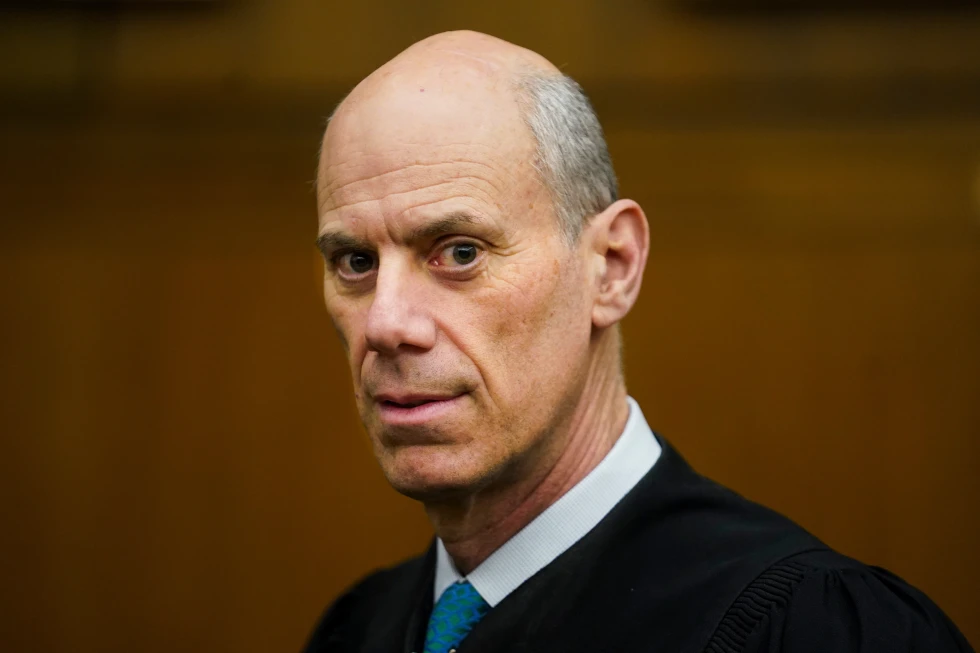
Judge Xinis's decision highlighted that federal authorities had misled the court and lacked jurisdiction in the case against Garcia. Additionally, Garcia has been embroiled in a separate legal case related to human smuggling charges that arose after he was brought back from El Salvador. These allegations date back to a 2022 traffic stop in Tennessee, which has raised serious questions regarding the government's intent and processes surrounding his deportation and subsequent charges.
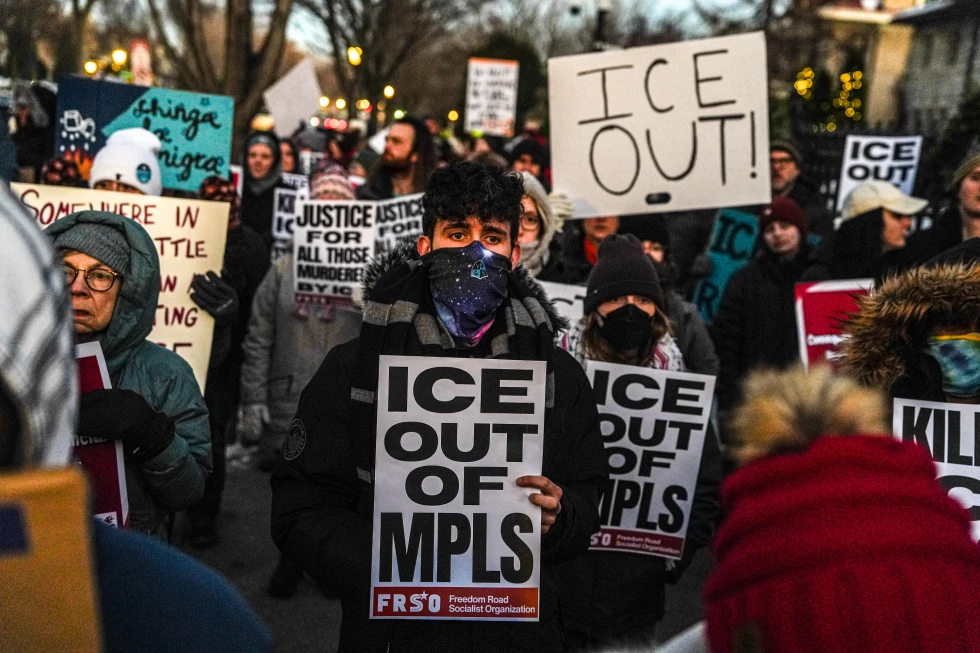
His legal team is preparing to fight against any further deportation attempts, as the immigrant community grapples with heightened fears of detention during routine check-ins with ICE. This ongoing saga exemplifies the complexities of the U.S. immigration system, especially for individuals facing systemic errors and governmental overreach.
Garcia has also filed for asylum, and his case continues to draw public attention as it underscores the challenges many face in facing immigration processes that have been criticized for their lack of transparency and due fairness.
The incident that escalated these proceedings began earlier this year when Garcia was mistakenly deported to El Salvador, landing him in a severely under-resourced prison notorious for violence. Garcia had previously been granted protections against deportation due to threats from gangs in his home country. Despite being allowed to live and work in the U.S. under supervision, he did not have residency status, which made him vulnerable to ICE's actions.
On Thursday afternoon, just before a deadline set by Judge Paula Xinis, Garcia was freed from the Moshannon Valley Processing Center. The ruling came after public pressure and legal responses led to backlash against the Trump administration’s hardline immigration tactics.
Judge Xinis's decision highlighted that federal authorities had misled the court and lacked jurisdiction in the case against Garcia. Additionally, Garcia has been embroiled in a separate legal case related to human smuggling charges that arose after he was brought back from El Salvador. These allegations date back to a 2022 traffic stop in Tennessee, which has raised serious questions regarding the government's intent and processes surrounding his deportation and subsequent charges.
His legal team is preparing to fight against any further deportation attempts, as the immigrant community grapples with heightened fears of detention during routine check-ins with ICE. This ongoing saga exemplifies the complexities of the U.S. immigration system, especially for individuals facing systemic errors and governmental overreach.
Garcia has also filed for asylum, and his case continues to draw public attention as it underscores the challenges many face in facing immigration processes that have been criticized for their lack of transparency and due fairness.