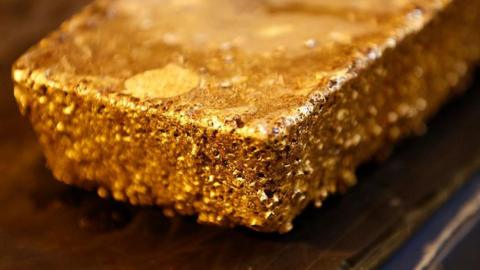
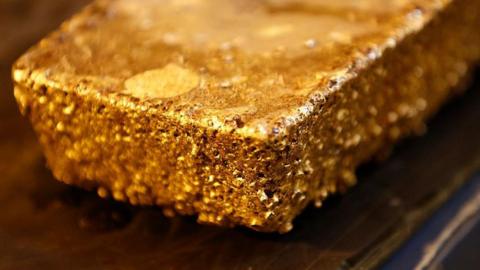
Guinea has implemented a ban on the export of unrefined gold, a move designed to encourage domestic processing of the precious metal and to stimulate both the economy and employment.
President Mamadi Doumbouya announced the policy after discussions with artisanal miners and industry buyers. He stated, “Guinea will now require its gold to be processed within our borders. Raw gold will no longer leave the country.” He highlighted that other nations have reaped economic benefits by controlling the value chain.
Guinea is Africa’s sixth‑largest gold producer. According to the World Gold Council, the country exported more than 22 tonnes of gold in the first quarter of 2026. The ban coincides with the near‑completion of a new refinery in Conakry, which can handle up to 250 tonnes of gold annually – a figure that matches Guinea’s current production levels.
Foreign mining operators are cautioned that failure to comply may lead to licence revocation and termination of mining contracts.
Similar strategic shifts are visible across the continent. Tanzania and Uganda have already prohibited the export of unprocessed metals, Ghana aims to suspend raw gold exports by 2030, and Zimbabwe will stop lithium concentrate exports from 2027 onward. Guinea’s move places it within a growing group of African states seeking to capture more value from their natural resources.
Besides gold, Guinea is also the world’s largest producer of bauxite, used in aluminium manufacture, further underscoring its role as a key resource hub in Africa.